Panavidone 10% Topical Solution: Uses, How to Use, and Side Effects
What is Panavidone and what does it contain
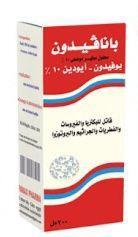
Panavidone 10% Topical Antiseptic Solution 200 ML is a local antiseptic solution for external skin use. It contains povidone-iodine, a complex that releases iodine gradually on the skin surface. Iodine has broad antiseptic activity against many bacteria, viruses, and fungi, which is why povidone-iodine solution is commonly used for skin disinfection and for reducing the risk of wound contamination.
Panavidone is not the same as an oral iodine supplement, and it should not be swallowed or used inside the body unless the exact product is labelled for that purpose. The product page for Panavidone 10% Topical Antiseptic Solution 200 ML lists povidone-iodine as the active ingredient.
| Feature | Details |
|---|---|
| Brand | Panavidone |
| Active ingredient | Povidone-iodine |
| Strength discussed | 10% |
| Form | Topical antiseptic solution, 200 ML bottle |
| Main use | Skin disinfection and prevention of infection in minor wounds |
What is Panavidone used for
Panavidone is used on the skin to help treat or prevent contamination and infection in minor cuts, scrapes, superficial burns, skin wounds, pressure areas, and surgical incision care when advised by a healthcare professional. It may also be used as a skin antiseptic before minor procedures or dressing changes.
For wounds that are spreading, painful, warm, swollen, discharging pus, or associated with fever, antiseptic use alone may not be enough. You may need assessment by a doctor, especially if you have diabetes, poor circulation, weak immunity, or a wound on the foot. For skin and wound-related concerns, you can book a dermatologist on Vezeeta. Burn wounds, blisters, chemical burns, facial burns, or large affected areas should be examined promptly.
Panavidone dosage and how to use it
Use Panavidone exactly as directed on the product label or by a doctor or pharmacist. For most minor skin uses, clean the affected area first, apply a small amount of solution to the area, and allow it to dry before covering with a clean dressing if needed. Do not apply a very tight bandage over the treated area.
Avoid using Panavidone on deep wounds, puncture wounds, animal bites, serious burns, or large body areas unless a healthcare professional specifically tells you to. Do not use a skin-only solution in the eyes, inside the mouth, vagina, or ear canal. If it accidentally gets into the eyes, rinse well with water and seek medical advice if irritation continues.
Before or after food
Panavidone is applied to the skin, so food does not affect it. The important point is to use it on clean skin and let it dry before putting on a dressing.
Missed dose
If you were told to apply it on a schedule and you forget a dose, apply it when you remember unless it is nearly time for the next application. Do not apply extra amounts to make up for a missed use.
How to dilute povidone-iodine solution
Do not dilute Panavidone 10% unless the label, doctor, or pharmacist instructs you to. Dilution may reduce antiseptic strength or contaminate the solution. If a healthcare professional asks for dilution for a specific purpose, use the exact ratio and clean sterile diluent they recommend and discard unused diluted solution.
How long does Panavidone take to work
Povidone-iodine begins acting when it contacts microorganisms on the skin. In practical use, the solution should remain on the area long enough to wet the skin and then dry. Germ reduction is not the same as full wound healing; healing depends on wound depth, blood supply, cleanliness, dressing care, and whether infection is already present.
What are the side effects of Panavidone
Most people tolerate povidone-iodine when it is used correctly on small areas. Possible side effects include temporary stinging, burning, dryness, redness, itching, skin irritation, peeling, or brown staining of skin and fabric. Rarely, allergic reactions or iodine-related effects may occur, especially with extensive or prolonged use.
Urgent symptoms
Stop using Panavidone and seek medical help if you develop severe burning, blistering, crusting, worsening redness, swelling, warmth, pus, fever, rash, hives, facial or lip swelling, breathing difficulty, or signs that the wound is getting worse.
Contraindications and precautions
Do not use Panavidone if you are allergic to povidone-iodine, iodine products, or any ingredient in the solution. Ask a doctor first if you have thyroid disease, kidney disease, extensive burns, a large open wound, or if the product is intended for a young child. Iodine can be absorbed through damaged skin, especially when used repeatedly over large areas.
Panavidone may stain skin, clothes, and some materials. Keep it away from eyes and mucous membranes unless the specific product is made for that site. Keep the bottle out of children’s reach and seek urgent help if it is swallowed accidentally.
Panavidone drug interactions
Because Panavidone is applied to the skin, interactions are usually limited, but they can matter when used repeatedly or over large areas. Avoid combining it with other antiseptics, strong oxidizing agents, hydrogen peroxide, or wound products unless advised, because irritation or reduced effectiveness may occur. Regular use with lithium therapy may increase thyroid-related concerns. Povidone-iodine can also interfere with thyroid function tests and some tests that detect blood in urine or stool.
Panavidone during pregnancy and breastfeeding
If you are pregnant or breastfeeding, use Panavidone only after asking a doctor or pharmacist, especially if you need repeated use, large-area application, or use on broken skin. Iodine can cross the placenta and may pass into breast milk. During breastfeeding, do not apply it to areas of the breast that may contact the baby’s mouth.
Can Panavidone be taken every day and long term
Panavidone should not be used as a daily long-term skin product unless a healthcare professional recommends it for a specific wound-care plan. Repeated use on large areas or for long periods can irritate skin and may increase iodine absorption, which is more important in people with thyroid or kidney problems.
What are the alternatives to Panavidone
Alternatives depend on the reason for use. For simple cleansing, sterile saline or clean running water may be enough before dressing a minor wound. Other antiseptics may include chlorhexidine or alcohol-based skin preparations, but these are not suitable for every wound or body area. Antibiotic creams, silver dressings, or special wound dressings should only be used when appropriate. Do not substitute products automatically without medical advice.
Panavidone price in Egypt
The price of Panavidone 10% topical solution in Egypt can change depending on availability, pharmacy pricing, and offers. To check current availability and ordering details, use the verified Vezeeta product page for Panavidone 10% Topical Antiseptic Solution 200 ML on Vezeeta.
Frequently asked questions
What is povidone-iodine solution?
It is an antiseptic solution containing povidone-iodine, which releases iodine on the skin to reduce germs and help prevent infection.
What is povidone-iodine used for?
It is used for skin disinfection, minor cuts, scrapes, superficial burns, wound care, and preparation of skin before some procedures.
Is povidone-iodine an antiseptic?
Yes. Povidone-iodine is an antiseptic and germicide, not a conventional antibiotic tablet or cream.
Does povidone-iodine help wounds heal?
It can help reduce microbial contamination, which may support wound care. It does not directly close wounds, and excessive use may irritate tissue.
Is Panavidone the same as Betadine?
They are not the same brand, but both may contain povidone-iodine depending on the exact product. Betadine is a well-known brand name; Panavidone is another brand.
What is the difference between povidone-iodine and normal iodine?
Povidone-iodine is iodine bound to povidone, which helps release iodine gradually and makes it more suitable for topical antiseptic use than many older iodine preparations.
When should you use Panavidone?
Use it when you need a skin antiseptic for a minor wound or skin preparation and the product is appropriate for that area.
Can Panavidone be used on open wounds?
It may be used on minor superficial wounds as directed. Deep, puncture, infected, large, or serious wounds need medical assessment.
Can Panavidone be used on burns?
It may be used for minor superficial burns if advised, but serious burns, blisters, chemical burns, facial burns, or large burns require medical care.
Can Panavidone be used for children?
Do not use it on young children without medical advice. Children can absorb iodine more readily, especially through damaged skin.
Can Panavidone be diluted?
Do not dilute it unless a doctor, pharmacist, or label gives exact instructions. If dilution is required, follow the specified ratio and avoid storing diluted leftovers.
Can Panavidone stain skin?
Yes. Povidone-iodine can temporarily stain skin and may stain clothes or fabrics.
Medical disclaimer
The information in this article is provided for general health education and does not replace medical advice from a doctor or pharmacist. Do not start, stop, or change the dose of any medication without consulting a qualified healthcare professional.
Specialized Doctors

Yasmin Karam
Specialist in Dermatology, Venereology and Aesthetic Medicine

Mona Mohamed
Specialist in Dermatology, Venereology and Aesthetic Medicine

Mostafa Hamed Kadry
Consultant and Assistant Professor of Dermatology, Venereology, and Laser, Faculty of Medicine, Al-Azhar University
Specialized Doctors
Yasmin Karam
Specialist in Dermatology, Venereology and Aesthetic Medicine
Mona Mohamed
Specialist in Dermatology, Venereology and Aesthetic Medicine
Mostafa Hamed Kadry
Consultant and Assistant Professor of Dermatology, Venereology, and Laser, Faculty of Medicine, Al-Azhar University