What Is Contact Dermatitis and How Can You Treat It?
What Is Contact Dermatitis?
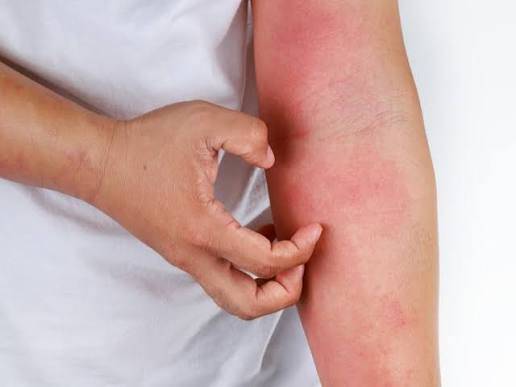
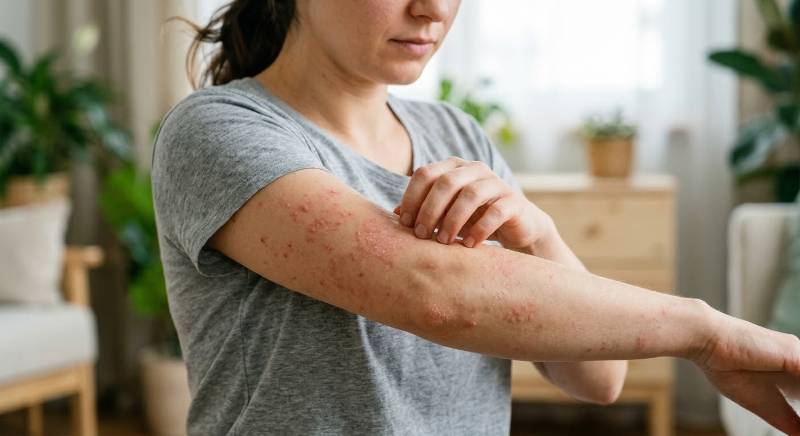
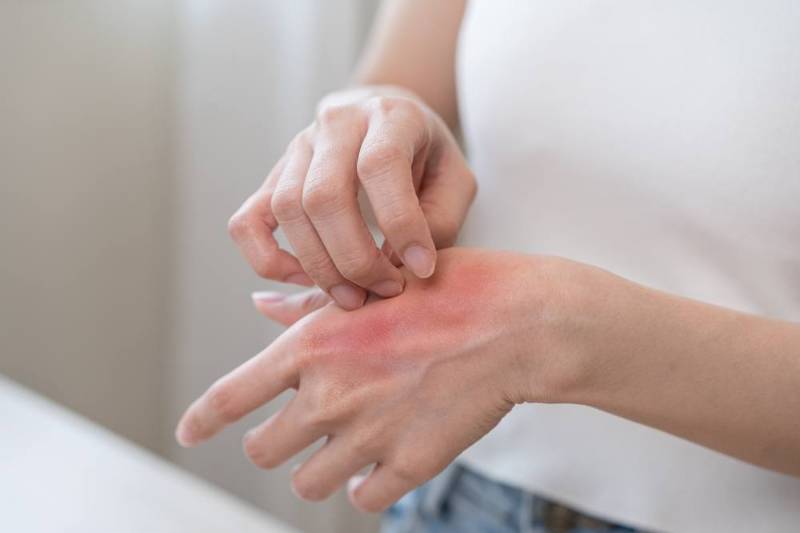
Contact dermatitis is an inflammatory condition that affects the skin after direct contact with a substance that irritates the skin or causes the immune system to produce an allergic reaction. This can lead to a rash with itching, redness, and dryness.
Symptoms may appear within hours of exposure to the triggering substance or may be delayed for several days, depending on the type of dermatitis and the skin’s sensitivity.
The types of contact dermatitis include:
Allergic Contact Dermatitis
This occurs when the immune system identifies a particular substance as an allergen and produces an inflammatory reaction when the skin comes into contact with it again.
Common substances that cause allergic contact dermatitis include:
- Nickel found in some jewelry, watches, and metal buttons.
- Fragrances and preservatives in cosmetics.
- Latex found in some types of gloves.
- Some ingredients in skin care products and hair dyes.
Irritant Contact Dermatitis
This occurs when the skin is exposed to substances that damage or weaken its natural protective barrier, without requiring an allergic immune response.
Common causes include:
- Household cleaners and cleaning products.
- Strong soaps and disinfectants.
- Solvents and chemicals.
- Repeated or prolonged contact with water.
- Continuous friction against the skin.
The main difference between the two types is that allergic contact dermatitis results from the immune system reacting to a particular substance, while irritant contact dermatitis is caused by the substance’s direct effect on the skin.
What Are the Symptoms of Contact Dermatitis?
Symptoms vary depending on the substance causing the inflammation, how long the skin was exposed to it, and how the skin responds.
You may first notice mild redness or itching in a specific area. Other symptoms may then appear, such as:
- Skin redness: Red patches or a change in the color of the affected area.
- Severe itching: A persistent urge to scratch the skin, which may become worse at night.
- Dryness and flaking: Caused by damage to the skin’s natural protective barrier.
- Small blisters: These may contain fluid and burst when scratched.
- Skin swelling: Especially in sensitive areas such as the face and eyelids.
- Burning: This may be accompanied by pain or sensitivity when the affected area is touched.
- Cracked skin: This may occur when the condition continues or keeps returning.
One clue that may suggest contact dermatitis is a rash appearing where the triggering substance touched the skin, such as on the hands after using cleaning products or on the earlobes after wearing earrings.
What Causes Contact Dermatitis?
Your skin may come into contact with dozens of different substances every day without causing any problems. However, some substances may cause irritation or an allergic reaction.
Common causes of contact dermatitis include:
Cosmetics and Skin Care Products
Some ingredients in creams, fragrances, makeup, and facial cleansers may cause an allergic reaction, especially preservatives, fragrances, and certain chemicals.
Cleaning Products and Chemicals
Repeated use of household cleaners, soaps, and disinfectants can weaken the skin’s outer protective layer, increasing the risk of irritant contact dermatitis.
Metals and Jewelry
Nickel is one of the most common causes of allergic contact dermatitis. You may notice redness and itching around the ear after wearing earrings, or under a watch or metal bracelet.
Latex and Rubber
Some latex products, such as gloves, may cause an allergic reaction in people who are sensitive to latex.
Plants and Natural Substances
Contact with certain plants may cause allergic dermatitis. Essential oils and plant extracts in natural products may also irritate the skin in some people.
Medications and Topical Products
Some creams and ointments, including certain topical antibiotics, may cause contact allergies in some people.
How Can Contact Dermatitis Be Treated?
Treatment depends on identifying the substance causing the inflammation and avoiding further exposure. Treatments may also be used to relieve itching and redness and restore the skin’s natural protective barrier.
Depending on the type and severity of the condition, a doctor may recommend:
- Topical corticosteroids: These help reduce inflammation, redness, and itching. The doctor decides the strength, type, and duration of treatment according to the affected area.
- Antihistamines: These may help relieve itching, especially when it is severe and affects sleep.
- Medical moisturizers: These help repair the skin barrier and reduce dryness and cracking.
- Prescription treatment for severe cases: Some patients may need oral corticosteroids for a short period under medical supervision, especially in severe or widespread allergic contact dermatitis.
Treatment does not depend only on creams. Avoiding the substance that caused the problem is a central part of treatment and helps prevent the symptoms from returning after the skin improves.
Home Treatment for Contact Dermatitis
If symptoms are mild and there are no signs of infection or a severe allergic reaction, you can take some steps at home to calm the skin and reduce inflammation:
- Stop using the triggering substance: Stop using the product or avoid the substance you suspect caused the inflammation, whether it is a cream, fragrance, cleaner, or metal accessory.
- Wash the affected area: Gently wash the skin with lukewarm water to remove any remaining irritant. Avoid strong soaps and rubbing the affected area.
- Use cool compresses: Place a clean cloth soaked in cool water on the affected area for 10 to 15 minutes. Repeat as needed to relieve itching and burning.
- Moisturize the skin: Use a fragrance-free medical moisturizer. Products containing ceramides or petroleum jelly may help repair the skin barrier and reduce moisture loss.
- Avoid scratching: You may feel a strong urge to scratch, but scratching can worsen inflammation and cause wounds or a secondary skin infection.
- Avoid irritating products: Temporarily avoid exfoliants, cosmetics, fragrances, and strong soaps until the skin heals.
Home treatment is suitable for mild cases, but it does not replace medical advice if symptoms continue or become more severe.
Treatment of Contact Dermatitis on the Face
You may notice redness, itching, or swelling on the face after using a new cream or cleanser. This may indicate contact dermatitis.
The face needs special care because facial skin is more sensitive. Some strong topical treatments may also cause side effects, especially around the eyes.
Treatment of facial contact dermatitis may include:
- Stop using cosmetics and skin care products that may have caused the inflammation.
- Wash the face with lukewarm water and use a gentle, fragrance-free cleanser.
- Apply a medical moisturizer suitable for sensitive skin.
- Use cool compresses to reduce redness and itching.
- Avoid exfoliants, retinol, and acids during the inflammatory phase.
- Use corticosteroid creams intended for the face only when prescribed by a doctor and for a limited period.
If severe swelling develops around the eyes or lips, or if the rash continues after stopping the suspected products, see a dermatologist to identify the cause and choose the appropriate treatment.
Treatment of Irritant Contact Dermatitis
Treatment differs from allergic contact dermatitis because irritant contact dermatitis results from direct exposure to a substance that weakens or damages the skin’s protective barrier.
Treatment therefore focuses on stopping exposure to the irritant and following these steps:
- Wash the affected area with lukewarm water to remove any remaining irritant.
- Avoid cleaners, strong soaps, and chemicals that increase skin dryness.
- Use medical moisturizers containing ingredients that help repair the skin barrier, such as ceramides and petroleum jelly.
- Wear suitable protective gloves when handling cleaning products. Avoid sweating and prolonged friction.
- Use anti-inflammatory creams if recommended by a doctor.
Severe cases may require medication for a specific period, especially if the inflammation is accompanied by cracked skin, pain, or signs of infection.
How Can Contact Dermatitis Affect the Vagina?
Some women may experience itching, redness, or burning in the external genital area. The cause may be contact dermatitis of the vulva, also called vulvar contact dermatitis.
Treatment depends on avoiding the triggering substance and washing the external area with lukewarm water without using scented washes. Wearing relatively loose cotton underwear may also help.
A doctor may prescribe moisturizers or anti-inflammatory creams suitable for this area, depending on the condition.
Do not use corticosteroid creams or antifungal medications on your own. Itching and redness in the sensitive area may be caused by a fungal infection or another condition that requires different treatment.
Is Contact Dermatitis Serious?
Contact dermatitis is not serious in most cases. Symptoms often improve after avoiding the triggering substance and using appropriate treatment.
However, it may become more uncomfortable if exposure to the irritant continues or episodes keep recurring. This can lead to dry, cracked, or thickened skin, or to a bacterial infection caused by repeated scratching.
Is Contact Dermatitis Contagious?
No. Contact dermatitis is not contagious and does not spread from one person to another through touch or by sharing clothing or personal items.
This is because the condition results from the skin reacting to an irritant or from the immune system responding to an allergen. It is not caused by a viral or bacterial infection that spreads between people.
In summary, contact dermatitis may seem mild at first, but ignoring the triggering substance or continuing to use it can worsen symptoms and delay healing. Pay attention to the products and substances that touch your skin, avoid anything that causes irritation or allergy, and use treatment appropriate for the condition. If redness, itching, or a rash continues or keeps returning, consult a dermatologist to identify the cause and receive suitable treatment.
If you still need a doctor’s consultation regarding this condition, you can easily book an appointment through Vezeeta.
Related Keywords

Specialized Doctors

Yasmin Karam
Specialist in Dermatology, Venereology and Aesthetic Medicine

Mona Mohamed
Specialist in Dermatology, Venereology and Aesthetic Medicine

Mostafa Hamed Kadry
Consultant and Assistant Professor of Dermatology, Venereology, and Laser, Faculty of Medicine, Al-Azhar University
References
https://www.nhs.uk/conditions/contact-dermatitis/
https://www.nhs.uk/conditions/contact-dermatitis/symptoms/
https://www.nhs.uk/conditions/contact-dermatitis/treatment/
https://www.mayoclinic.org/diseases-conditions/contact-dermatitis/symptoms-causes/syc-20352742
https://www.aad.org/public/diseases/eczema/types/contact-dermatitis/treatment
https://www.aad.org/public/diseases/eczema/types/contact-dermatitis
https://my.clevelandclinic.org/health/diseases/6173-contact-dermatitis
Specialized Doctors
Yasmin Karam
Specialist in Dermatology, Venereology and Aesthetic Medicine
Mona Mohamed
Specialist in Dermatology, Venereology and Aesthetic Medicine
Mostafa Hamed Kadry
Consultant and Assistant Professor of Dermatology, Venereology, and Laser, Faculty of Medicine, Al-Azhar University