What Causes Cracked Heels? And How Can You Get Rid of Dry, Rough Skin on Your Feet?
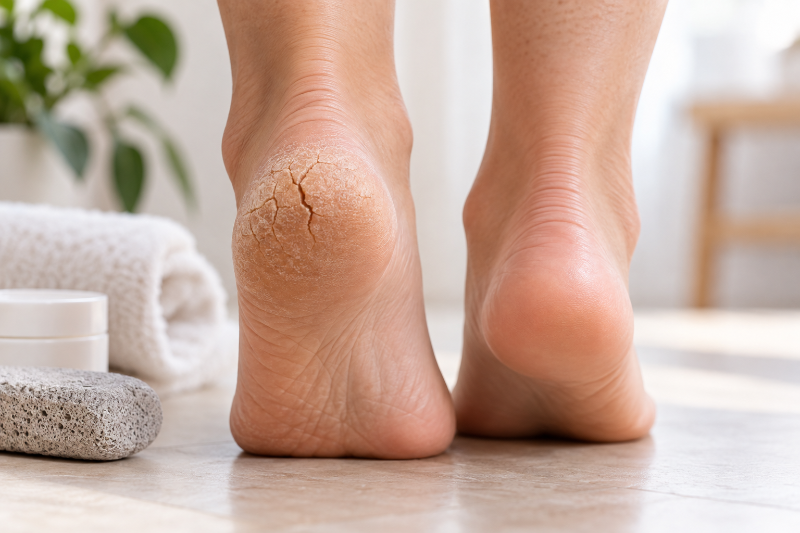
What Causes Cracked Heels?
Think about it: the skin on your heel holds up your entire body weight, every single day. When that skin dries out, it can't stretch the way it should when you move and bear weight. Over time, the cracks appear.
Some of the most common factors that make cracked heels more likely:
- Dry skin that isn't moisturized enough
- Standing for long periods, especially on hard surfaces
- Carrying extra weight, which pushes more pressure onto the heel area
- Wearing open-backed shoes or sandals for extended periods
- Taking long, hot showers
- Using soaps or cleaning products that strip the skin's natural oils
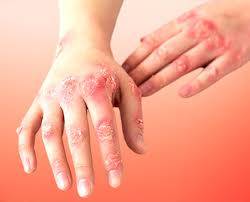
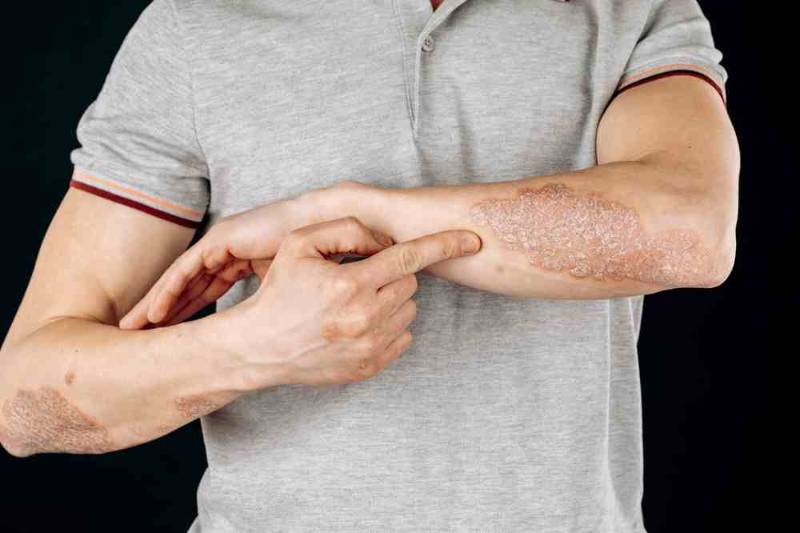
- Certain skin conditions like eczema and psoriasis
- Health issues such as hypothyroidism
- Diabetes, particularly when it comes with dry skin, reduced sensation, or poor circulation
So treating cracked heels isn't just about slapping on a cream. It starts with figuring out what made the skin lose moisture and flexibility in the first place.
Why Do Women Experience Recurring Cracked Heels?
Some women notice that heel cracks show up or get worse during certain periods, particularly with prolonged standing or wearing open shoes.
Picture this: a woman spends her workday on her feet, then puts on open-backed shoes for the evening. That repeated pressure, friction, and dryness leaves the heel more vulnerable to cracking over time.
Hormonal shifts and age-related skin changes can also affect how well the skin stays hydrated. That said, hormones aren't always the sole cause.
What matters more is paying attention to patterns. Do the cracks keep coming back? Is there itching or redness? Are other areas of skin cracking too? Those details help a doctor pinpoint what's going on.
Is Cracked Skin on the Feet a Sign of Vitamin Deficiency?
Not necessarily.
Balanced nutrition matters for healthy skin. A shortfall in certain nutrients can affect skin, hair, and nails. But dry, cracked heels don't automatically mean you're low on a specific vitamin.
On the other hand, if the dryness is severe or keeps returning despite regular moisturizing, a doctor might look into other causes:
- Eczema
- Psoriasis
- Hypothyroidism
- Diabetes
- Other skin or systemic conditions
Taking vitamin supplements just because your heels are cracked, without confirming a real deficiency, isn't recommended.
What Causes Cracking on the Bottom of the Feet?
When you look at the bottom of your foot and see thick, rough skin around the heel, it's usually a buildup of dry skin combined with ongoing pressure on that area.
It starts as roughness. If the dryness and pressure continue, small cracks form. As those cracks deepen, they can become painful and sometimes bleed.
Cracked Heels in Summer
It seems counterintuitive. Why would the problem get worse in summer when humidity is higher in some places? Wearing sandals, walking barefoot, and having your feet constantly exposed to air can actually dry out heel skin for some people.
Frequent showers and hot water don't help either. They strip the natural oils that protect the skin.
Severe Cracked Heels
When cracks become deep, painful, or start bleeding, this isn't a cosmetic issue anymore.
Severe cracking often needs more consistent treatment. And it might be worth looking into whether a skin condition or underlying health problem is driving the recurrence.
Cracked Heels and Diabetes
This is where you need to be especially careful.
Some people with diabetes develop dry skin or reduced sensation in their feet. That makes it harder to notice cuts and cracks. Certain diabetes complications can also slow down wound healing.
If you have diabetes and you spot deep cracks, open wounds, redness, or swelling on your feet, seeing a doctor is the safer move. Trying to scrape or peel off the skin on your own could backfire.
How Can You Treat Cracked Heels at Home?
After a long day, it's tempting to grab a heavy-duty file and scrub off all the rough skin at once. But going aggressive can actually make things worse.
If the cracks are mild, a gentler routine works better:
1. Soak your feet in lukewarm water
Soak for a short time to soften the dry skin.
You don't need scalding hot water. Too much heat will dry the skin out even more.
2. Gently remove dead skin
Once the skin has softened, use a pumice stone or a foot file, lightly, to smooth away the thick layer.
Don't try to take off big chunks of skin, and skip anything sharp. That can cause wounds and raise the risk of infection.
3. Moisturize right after drying
After washing and drying your feet, apply a heel cream or a rich moisturizer to the heels.
Ingredients that tend to work well for dry, cracked heels include:
- Urea
- Salicylic acid (in certain formulations)
- Lactic acid
- Occlusive moisturizers like petroleum jelly
4. Wear cotton socks to bed
If the cracks are noticeable, apply moisturizer before sleep and put on comfortable socks to lock in hydration overnight.
The trick isn't any single step. Consistency with daily moisturizing and care is what makes the difference.
Using Petroleum Jelly for Cracked Heels
Petroleum jelly can be a useful part of your moisturizing routine.
It acts as a barrier that reduces water loss from the skin's surface. You can apply a layer to your heels after washing and drying your feet, especially before bed.
If the skin is very thick, though, pairing it with a cream that contains softening ingredients like urea might give better results.
What's the Best Cream for Cracked Heels?
There's no single product that works for everyone. But creams containing urea are often a solid choice for dry, thickened heel skin.
Concentrations vary depending on how bad the problem is. Pick a product based on your skin's condition and how the label says to use it.
If the cracks are deep, painful, bleeding, or inflamed, creams alone won't cut it. See a dermatologist.
Can You Get Rid of Cracked Heels Quickly?
You might be hunting for a quick fix before a trip or an event, and you'll see plenty of promises about getting rid of cracks in a single day.
But skin needs time to rebuild its natural barrier and close those fissures. There's no magic formula for making deep cracks disappear overnight.
That said, you can feel a noticeable improvement in texture within a short period by sticking to a focused, safe routine:
- Regular moisturizing
- Using a cream designed for dry heels
- Cutting back on hot water exposure
- Avoiding walking barefoot for extended periods
- Wearing comfortable, closed-back shoes when possible
- Not scraping the skin aggressively
Getting rid of cracked heels for good depends on treating the root cause and preventing the dryness from coming back, not just temporarily buffing away rough skin.
When Should You See a Doctor?
Most mild cases respond well to consistent home care. But certain signs mean it's time to consult a professional:
- Deep or painful cracks
- Bleeding from the fissures
- Redness or swelling
- Discharge from the affected area
- Persistent cracking despite regular moisturizing
- Noticeably recurring fissures
- Having diabetes or a condition that affects sensation or circulation in the feet
In those situations, the goal of a doctor visit isn't just fixing the cracks. It's understanding why they keep showing up.
Cracked heels might seem minor, but they can turn into painful, deep fissures if you don't take care of them early. Keep your feet moisturized, stay away from what dries them out, and if the problem is severe or keeps returning, talk to a dermatologist.
If you still need a doctor’s consultation regarding this condition, you can easily book an appointment through Vezeeta.
Related Keywords

Specialized Doctors

Noha Nagy
Consultant in Dermatology, Venereology and Aesthetics – Faculty of Medicine, Ain Shams University

Yousra Hilal
- Specialist in Dermatology, Cosmetology and Laser

Basma Ali gaballah
Consultant in Dermatology, Cosmetic Medicine, and Laser Treatments
References
https://www.mayoclinic.org/diseases-conditions/dry-skin/expert-answers/cracked-heels-treatment/faq-20455140
https://www.aad.org/public/everyday-care/skin-care-basics/dry/dry-heels
https://www.aad.org/public/diseases/a-z/diabetes-skin-care
https://www.healthline.com/health/cracked-heel-heal
https://www.webmd.com/skin-problems-and-treatments/what-to-know-cracked-heels
https://diabetes.org/health-wellness/diabetes-and-your-feet/foot-care-tips
https://magazine.medlineplus.gov/article/putting-your-best-foot-forward-steps-for-happy-healthy-feet
Specialized Doctors
Noha Nagy
Consultant in Dermatology, Venereology and Aesthetics – Faculty of Medicine, Ain Shams University
Yousra Hilal
- Specialist in Dermatology, Cosmetology and Laser
Basma Ali gaballah
Consultant in Dermatology, Cosmetic Medicine, and Laser Treatments