Causes of Skin Rash, Its Symptoms, and Treatment
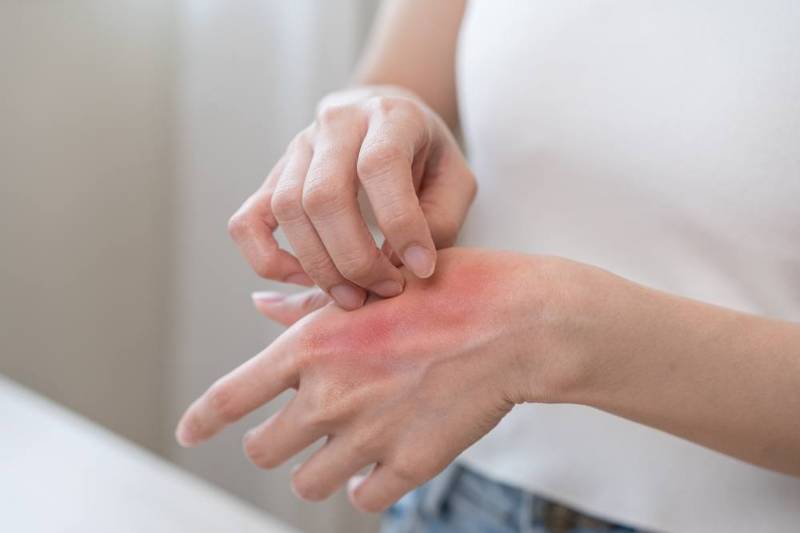
The skin is one of the most delicate organs in the body, yet it serves as a powerful barrier, defending internal organs from bacteria and microbes. This makes it highly exposed to various factors that may lead to irritation or damage—manifesting as a skin rash.
Skin rashes can present in various forms, each with different causes, symptoms, and treatment methods. In this guide, we’ll explore the types of skin rashes, their symptoms, causes, and how to manage them.
What Does a Skin Rash Look Like?
A skin rash typically occurs due to inflammation or infection of the skin, often leading to redness, small bumps, or itching. It can affect people of all ages and may result from bacterial, viral, or fungal infections, allergic reactions, or autoimmune skin conditions.
What are Symptoms of Skin Rash?
Rash symptoms vary depending on the type and cause, and they can appear on one or more areas of the body. Common symptoms include:
- Itching
- Burning sensation
- Dry skin
- Pain in affected areas
- Cracked skin
- Scaling or flaking
- Swelling and redness
- Blister formation
- Rough texture
- Skin discoloration
What are Causes of Skin Rash?
Sudden skin rashes can be triggered by:
- Allergens and irritants (e.g., chemicals in cleaning agents, soaps, or wool)
- Insect bites
- Bacterial or viral infections
- Chronic skin conditions like eczema or psoriasis
- Autoimmune diseases like lupus (notably the butterfly-shaped rash on the face)
- Fungal infections (e.g., ringworm, athlete’s foot)
- Scabies
- Allergic reactions to medications
- Stress
In children, skin rashes are often linked to conditions such as scarlet fever, measles, Kawasaki disease, chickenpox, and impetigo.
What are Types of Skin Rash?
Common types of skin rashes include:
Eczema
An immune-related condition that causes red, dry, itchy skin. It may also lead to hair loss in the affected area. Atopic dermatitis is one of its most common forms.
Contact Dermatitis
Occurs when the skin reacts to allergens or irritants, such as:
- Metals (like nickel)
- Skincare or cleaning products
- Latex or rubber materials
- Toxic plants (e.g., poison ivy)
- Certain fabrics (like wool or polyester)
Psoriasis
An autoimmune disorder that causes thick, scaly patches, often on the elbows, knees, scalp, or lower back.
Urticaria (Hives)
An allergic skin reaction to airborne allergens or insect bites. It results in red, itchy welts on the skin, and may be triggered by temperature changes.
Viral Skin Rashes
Common types include:
- Chickenpox: Presents as itchy, fluid-filled bumps across the body.
- Hand, Foot, and Mouth Disease: Causes rashes on the hands and feet and lesions around the mouth.
- Measles: A respiratory viral infection that leads to widespread rash and itching.
- Fifth Disease: Produces flat, red patches on the arms, legs, and torso.
Heat Rash (Miliaria)
Often seen in infants and caused by overheating and sweating. It appears as tiny red bumps and causes intense itching and a rough skin texture.
What is the Diagnoses of a Skin Rash?
Diagnosing the exact cause of a skin rash can be complex. Your doctor will examine the affected area and may ask about your medical and family history. Diagnostic tests may include:
- Blood tests to identify infections or underlying conditions.
- Allergy testing to determine skin sensitivity to specific substances.
- Skin biopsy for microscopic examination of the affected tissue.
What is the Treatment of a Skin Rash?
The treatment strategy focuses on addressing the underlying cause and relieving symptoms. Common approaches include:
- Topical creams to reduce itching, inflammation, and redness.
- Steroids, either topical or oral, to control severe inflammation.
- Injections, including steroid injections, for extensive or chronic rashes.
- Immunomodulators to regulate immune responses and prevent flare-ups.
- Phototherapy to treat conditions like eczema (may cause dryness or cracking).
- Antihistamines to relieve itching.
- Immunosuppressants for severe autoimmune responses.
- Colloidal oatmeal baths to soothe irritated skin and reduce dryness.
Is Skin Rash Dangerous?
While most rashes respond well to treatment, ignoring them can lead to:
- Infections, due to scratching and breaking the skin barrier.
- Severe allergic reactions, such as anaphylaxis, which can cause swelling in airways and become life-threatening.
How to Prevent Skin Rashes?
Tips to reduce your risk:
- Wash hands after exposure to potential allergens.
- Wear gloves when using household chemicals.
- Choose skincare products from reputable sources and consult a doctor when unsure.
- Moisturize the skin regularly.
- Manage stress levels.
- Avoid sharing personal items or clothing.
- Limit excessive sweating and exposure to humidity.
In conclusion, skin rashes are caused by various factors, and while their symptoms often appear similar, treatment depends on the root cause. Following preventive measures can help reduce the likelihood of skin rash and maintain skin health.
If you still need to consult a doctor regarding this condition, you can easily book an appointment through Vezeeta
Related Keywords
Specialized Doctors

Nouran Eissa
Consultant and Lecturer of General Internal Medicine, Allergy and Immunology - Ain Shams Faculty of Medicine

ghada fouda
Allergy consultant at Allergy and Immunology center, Al-Azhar University Registered Clinical Nutritionist, UK

Nissreen ElSayed ElBadawy
Consultant of Allergy and Immunology, Faculty of Medicine, Zagazig University
References
Mayo Clinic. Rash: Symptoms & Causes.
Available at: https://www.mayoclinic.org
Cleveland Clinic. Rash (Dermatitis): Causes, Symptoms, Treatment.
Available at: https://my.clevelandclinic.org
American Academy of Dermatology (AAD). Rashes: Overview & Treatment.
Available at: https://www.aad.org
Centers for Disease Control and Prevention (CDC). Common Skin Infections and Conditions.
Available at: https://www.cdc.gov
National Health Service (NHS). Rashes in adults and children.
Available at: https://www.nhs.uk
MedlinePlus. Skin Conditions.
Available at: https://medlineplus.gov
Specialized Doctors
Nouran Eissa
Consultant and Lecturer of General Internal Medicine, Allergy and Immunology - Ain Shams Faculty of Medicine
ghada fouda
Allergy consultant at Allergy and Immunology center, Al-Azhar University Registered Clinical Nutritionist, UK
Nissreen ElSayed ElBadawy
Consultant of Allergy and Immunology, Faculty of Medicine, Zagazig University