Secrets to Treating Bloating with Simple and Effective Methods
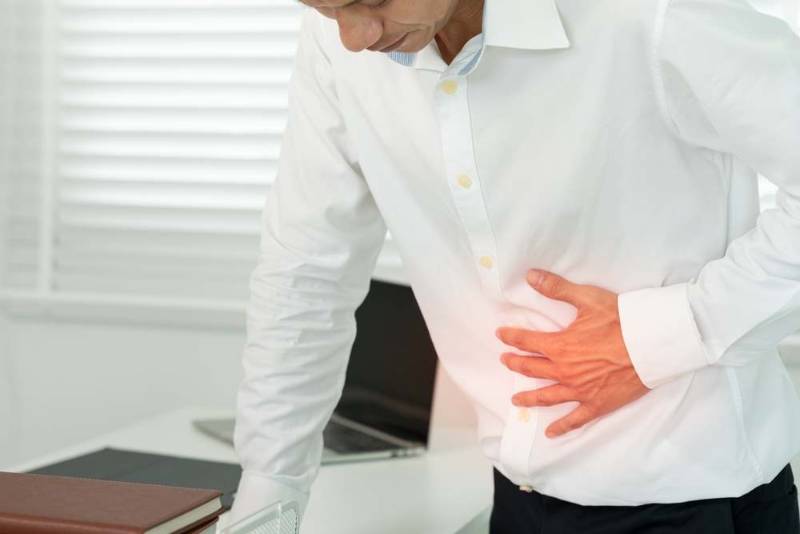
There’s nothing more uncomfortable than feeling bloated and gassy—a common condition that affects millions worldwide. Fortunately, abdominal bloating can be treated in various ways, from simple home remedies to medical treatment.
But what causes bloating? How can it be managed naturally or with medication? What’s the best drink to relieve bloating and gas? Let’s dive into the answers.
What Is Abdominal Bloating?
Abdominal bloating refers to a feeling of fullness, tightness, or distension in the abdomen, often accompanied by excessive gas and visible swelling. While often harmless, persistent bloating may indicate an underlying condition requiring medical attention.
How to Treat Abdominal Bloating and Gas?
Treatment depends on the root cause of the bloating. In mild cases, it may resolve within hours or a few days using natural remedies. More persistent cases may require over-the-counter medications or prescribed treatments.
What are the Home Remedies for Bloating?
You can often relieve bloating in a day using simple lifestyle strategies, such as:
- Chewing food slowly to reduce air swallowing.
- Regular physical activity, especially core-focused exercises or swimming.
- Taking probiotics to balance gut bacteria and enhance digestion.
- Using antacids to ease inflammation and gas buildup.
- Avoiding gas-producing foods, such as:
- Gum
- Carbonated drinks
- Broccoli, cabbage, cauliflower, onions, green beans
- Certain fruits (mango, pears, apples, orange juice)
- Limiting fluid intake during meals.
- Drinking herbal teas that soothe the digestive system.
- Gradually increasing fiber intake with plenty of water.
- Eating smaller meals more frequently.
- Avoiding straws and aerated drinks.
- Limiting dairy if lactose-intolerant, and opting for:
- Yogurt
- Aged cheese
- Almond milk
- Staying hydrated, especially with water and herbal teas.
Note: Don’t cut healthy foods entirely due to bloating. Reintroduce them slowly to benefit from their nutrients.
What are the Best Herbs for Bloating Relief?
Several herbs are well-known for easing digestive issues:
- Peppermint: Relaxes stomach muscles and reduces cramping.
- Wormwood: Boosts gastric juice production (avoid during pregnancy).
- Chamomile: Eases bloating and may prevent bacterial infections.
- Ginger: Improves digestion and reduces nausea.
- Fennel: Prevents ulcers and eases constipation.
- Turmeric: Enhances gut health and relieves bloating.
- Caraway, dill, and basil: Support digestion and gas relief.
What are the Best Drinks to Relieve Bloating?
- Green tea: Rich in antioxidants, reduces inflammation, and acts as a mild laxative.
- Kombucha: A probiotic drink that supports gut health (consume in moderation).
- Peppermint tea: Calms intestinal muscles and reduces gas.
What are the Foods That Reduce Bloating Fast?
Certain foods can help clear trapped gas and ease bloating:
- Avocados: High in potassium, helps regulate sodium and fluid balance.
- Cucumbers: 95% water, combats dehydration and bloating.
- Yogurt: Contains probiotics that balance gut flora.
- Berries: High fiber content helps prevent constipation.
- Celery: Contains water and menthol; acts as a natural diuretic.
- Bananas: High in fiber and potassium.
- Papaya: Contains papain enzyme that aids digestion.
- Oats: Rich in fiber, supports colon health.
- Pineapple: Contains bromelain enzyme, reduces inflammation and improves digestion.
- Quinoa: Contains fiber and antioxidants.
- Apples: Provide water, fiber (pectin), and support healthy gut bacteria.
- Kiwi: Contains actinidin enzyme that speeds up digestion.
What are the Medications for Gas and Bloating?
OTC (over-the-counter) options:
- Antacids: Help pass gas and relieve bloating.
- Activated charcoal: May reduce gas, but consult your doctor first.
- Lactase supplements: Aid in digesting lactose from dairy.
- Simethicone: Breaks up gas bubbles.
- Alpha-galactosidase: Breaks down carbs in beans and veggies.
Prescription medications may include:
- Antibiotics: For bloating caused by bacterial infections.
- Antispasmodics: Relieve intestinal muscle spasms.
- Prokinetics: Speed up digestion.
What Causes Bloating?
Common causes include:
- Constipation
- Indigestion
- Hormonal changes
- Water retention
- Food intolerances (e.g., lactose, fructose)
- Gas buildup from:
- Eating too quickly
- Chewing gum
- Consuming gas-producing foods and drinks
- Bacterial infections in the gut
Why Is Bloating More Common in Women?
Hormonal fluctuations make women more prone to bloating, especially:
- 7–14 days before menstruation, due to high progesterone levels.
- Estrogen fluctuations, which can lead to water retention and bloating.
- Conditions like IBS or hormonal imbalances.
When Is Bloating a Serious Concern?
See a doctor if bloating is accompanied by:
- Unexplained weight loss
- Blood in the stool
- Persistent abdominal pain
- Loss of appetite
Final Thoughts
Don’t fall for exaggerated claims like “Eliminate bloating in seconds!” While bloating is often harmless, the key is treating the underlying cause to prevent recurrence. Home remedies, healthy habits, and proper medications can help you get long-term relief and better digestive health.
If you still need to consult a doctor regarding this condition, you can easily book an appointment through Vezeeta
Related Keywords
Specialized Doctors

Amira Gamea
Consultant in general internal medicine, diabetes and gastroenterology at Police Authority Hospitals

Ayman Mahmoud Moustafa
Senior Consultant of Internal medicine

Mohamed Mokhtar Selim
Consultant in internal medicine, digestive system, liver
References
National Institute of Diabetes and Digestive and Kidney Diseases (NIDDK). Symptoms & Causes of Indigestion (Dyspepsia). National Institutes of Health (NIH).
https://www.niddk.nih.gov/health-information/digestive-diseases/indigestion
Mayo Clinic Staff. Indigestion (Dyspepsia). Mayo Clinic.
https://www.mayoclinic.org/diseases-conditions/indigestion
Cleveland Clinic. Indigestion (Dyspepsia). Cleveland Clinic.
https://my.clevelandclinic.org/health/diseases/21835-indigestion-dyspepsia
National Health Service (NHS), UK. Indigestion.
https://www.nhs.uk/conditions/indigestion
Talley NJ, Ford AC. Functional Dyspepsia. N Engl J Med. 2015;373:1853–63.
https://doi.org/10.1056/NEJMra1501505
Specialized Doctors
Amira Gamea
Consultant in general internal medicine, diabetes and gastroenterology at Police Authority Hospitals
Ayman Mahmoud Moustafa
Senior Consultant of Internal medicine
Mohamed Mokhtar Selim
Consultant in internal medicine, digestive system, liver