What is skin cancer, its types, and warning signs?
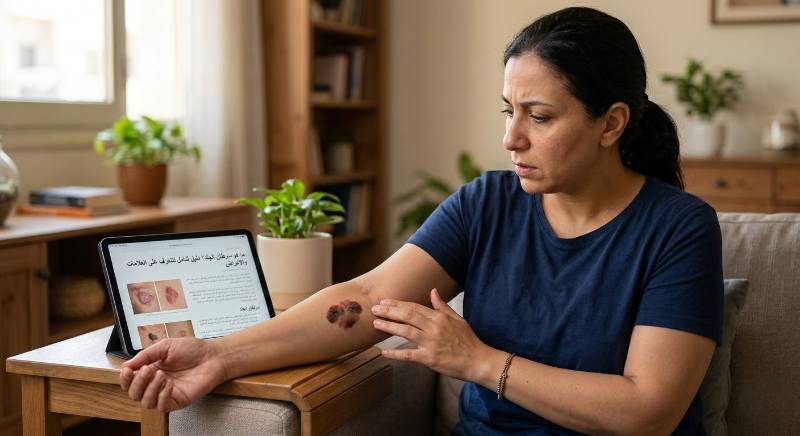
What is skin cancer?
Skin cancer occurs when skin cells begin to divide abnormally due to damage to DNA. This damage is often caused by exposure to ultraviolet (UV) radiation from the sun. As a result, cells grow rapidly and form a mass of cancerous cells in the skin. Skin cancer may appear in different layers of the skin. Detecting it early is very important because it greatly increases the chances of treatment and controlling the disease before it spreads.
The beginning of skin cancer
In its early stages, it may appear as simple dryness or roughness in the skin that is difficult to notice at first. The onset of skin cancer is often marked by small lesions that may look like a pink “pimple” or a waxy patch that does not disappear over time.
In some cases, the beginning may be the very slow growth of a completely new mole after the age of thirty, which is unusual for benign moles. This requires careful attention from the person to monitor any new spot that appears on their skin.
Skin cancer itching
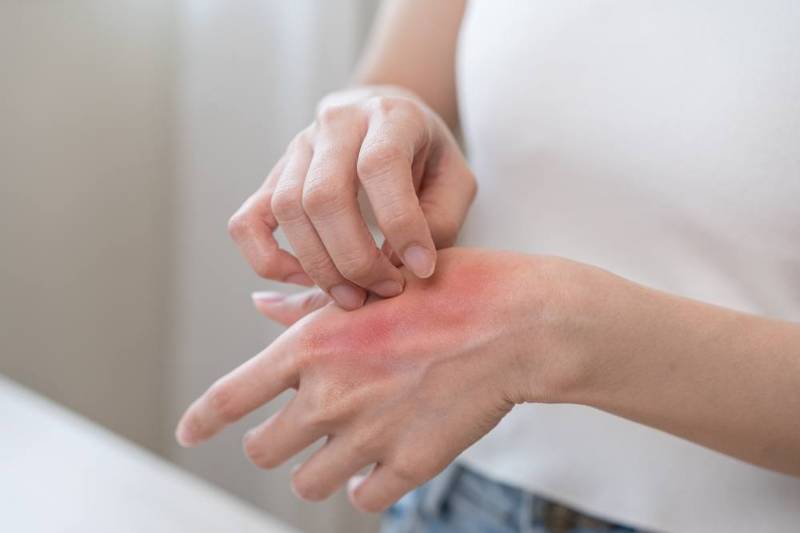
Some people may feel itching, tingling, or burning in an area of the skin without an obvious cause, such as allergies or an insect bite. Sometimes this itching can be an early sign of skin cancer, especially in types that affect squamous cells. The affected area may become sensitive or painful when touched. If itching appears along with other signs such as scaling or slight bleeding, it is best to consult a doctor for a careful examination. The doctor may request a small skin sample (biopsy) to confirm the nature of the cells.
What are the symptoms of skin cancer?
A person often notices a strange spot or a change in the texture of a certain area of their body as the first sign of a health problem. Common symptoms of skin cancer include:
- Appearance of pearly bumps
- Red, scaly patches
- Sores that bleed, heal, and then reappear repeatedly
- An existing mole that begins to change
- Dark spots with irregular borders, especially in areas frequently exposed to the sun such as the face, hands, and neck
What are the symptoms of skin cancer in women?
In women, skin cancer symptoms often appear on the legs and arms due to frequent sun exposure. Common signs include:
- Appearance of new dark spots on the skin
- Changes in the shape, size, or color of moles over time
- Irregular edges of a mole or uneven coloring
- Itching or slight bleeding in the area of a mole or spot
- A sore or wound that does not heal for a long time
If any of these changes are noticed, it is recommended to visit a doctor for a skin examination to determine the cause.
What does skin cancer look like?
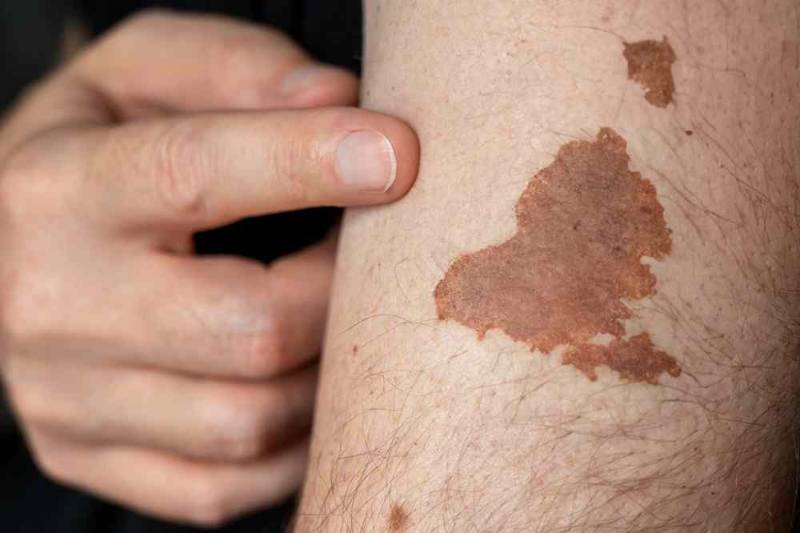
Malignant lesions differ from normal moles in that they lack symmetry. One half of the spot may look completely different from the other in size or appearance. In medical images, skin cancer often appears as a spot with irregular or unclear borders. It may contain multiple colors such as black, reddish-brown, and blue within the same area.
A general rule is that any spot larger than 6 mm in diameter (about the size of a pencil eraser) should raise suspicion and requires immediate examination by a dermatologist.
What are the types of skin cancer?
Skin cancer is divided into several types depending on the type of cells where the disease begins:
Basal cell carcinoma: The most common type. It grows slowly and often appears in sun-exposed areas such as the face and neck.
Squamous cell carcinoma: Less common than the first type but may be more aggressive and can spread if untreated.
Melanoma: The most dangerous type. It begins in the cells responsible for skin color and may spread to other parts of the body if not detected early.
Is skin cancer fatal?
The seriousness of this condition mainly depends on the type detected and how quickly medical intervention occurs after the first signs appear. Many people ask whether skin cancer is fatal. Medical evidence shows that non-melanoma types rarely cause death, while melanoma remains the most aggressive type. However, full recovery rates exceed 95% when the disease is detected and surgically removed before it spreads through the lymphatic system to other organs.
Skin cancer treatment
Treatment depends on the type of tumor, its size, and how far it has spread. After examination, the doctor chooses the most appropriate method to remove cancer cells while preserving as much healthy skin as possible, especially in sensitive areas such as the face.
Common treatment methods include:
- Surgical excision: Removing the tumor along with a small margin of healthy skin around it.
- Mohs surgery: A precise technique where the tumor is removed layer by layer and examined to ensure that all cancer cells are eliminated.
- Cryotherapy: Destroying cancer cells using extreme cold.
- Laser therapy: Used in some cases to remove affected tissues.
- Immunotherapy: Helps the body’s immune system attack and eliminate cancer cells.
Does skin cancer treatment leave permanent scars?
This depends on the size of the tumor and the type of surgery. However, modern techniques such as Mohs surgery aim to minimize scarring as much as possible.
In conclusion
Paying attention to any unusual change in the skin helps detect skin cancer in its early stages, which greatly increases the chances of successful treatment and recovery. Therefore, it is recommended to regularly monitor moles and skin spots and consult a doctor if any change in shape, color, or size is noticed. Early diagnosis remains the most important step in maintaining healthy skin.
If you still need to consult a doctor about this condition, you can easily book an appointment through Vezeeta.
Related Keywords

Specialized Doctors



References
https://www.google.com/search?q=https://my.clevelandclinic.org/health/treatments/23301-skin-cancer-treatment
https://www.mayoclinic.org/diseases-conditions/skin-cancer/diagnosis-treatment/drc-20377608
https://www.healthline.com/health/skin-cancer-prevention
https://www.mayoclinic.org/diseases-conditions/skin-cancer/symptoms-causes/syc-20377605
https://www.who.int/news-room/questions-and-answers/item/radiation-ultraviolet-(uv)-radiation-and-skin-cancer
https://www.google.com/search?q=https://www.cancer.org/cancer/skin-cancer/detection-diagnosis-staging/survival-rates.html
https://www.google.com/search?q=https://www.health.com/condition/skin-cancer/skin-cancer-symptoms-itchy
https://www.medicalnewstoday.com/articles/322091
Specialized Doctors