Eczema: The Story of Itchy Skin and the Secrets of Its Treatment
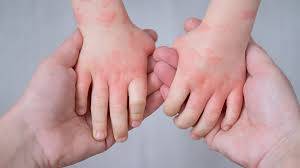
A large number of people suffer from chronic skin conditions, and eczema is one of the most common and bothersome. Although it’s not a contagious disease, its physical and psychological effects can be significant—especially if not properly diagnosed and treated.
What Is Eczema?
Eczema, medically known as atopic dermatitis, is a chronic inflammatory skin condition that causes irritation in the form of dryness, redness, intense itching, and sometimes blisters or cracks. Eczema can affect people of all ages but is especially common in children and may persist into adulthood.
What are Common Areas Where Eczema Appears?
Eczema often appears in the following areas:
- The face (especially in children)
- Hands and wrists
- Elbows and behind the knees
- Behind the ears or around the neck
What are Symptoms of Eczema?
Symptoms vary from person to person and may include:
- Persistent and intense itching, especially at night
- Red, dry, or rough skin
- Scaly or cracked patches
- Small fluid-filled blisters that may ooze when scratched
- Thickened or hardened skin in chronic cases
What are Causes of Eczema?
There is no single known cause for eczema, but it’s often the result of a combination of genetic and environmental factors. The main causes include:
- Genetics: A family history of eczema or allergies.
- Weak skin barrier: This allows moisture to escape and irritants to enter easily.
- Environmental triggers: Such as harsh soaps, detergents, fragrances, dust, pet dander.
- Stress: Can worsen flare-ups.
- Climate: Dry or cold weather can aggravate eczema symptoms.
Is Eczema Contagious?
No, eczema is not contagious and cannot be passed from person to person through touch or direct contact.
What are Treatments For Eczema?
There is no permanent cure for eczema, but it can be well-managed through:
1. Daily Moisturizing:
- Using fragrance-free moisturizers immediately after bathing.
2. Topical Treatments:
- Cortisone creams to reduce inflammation.
- Immune-modulating creams like tacrolimus.
3. Oral Medications:
- Antihistamines to relieve itching.
- In severe cases, immunosuppressants or biologic injections may be prescribed.
4. Avoiding Triggers:
- Such as strong soaps, wool clothing, direct sunlight, or cold exposure.
5. Light Therapy (Phototherapy):
- Used in chronic cases under the supervision of a dermatologist.
What are Prevention Tips For Eczema?
- Moisturize regularly.
- Use gentle skincare products designed for sensitive skin.
- Wear comfortable cotton clothing.
- Avoid excessive sweating or heat.
- Maintain an allergy-free environment.
Conclusion:
Although eczema is a chronic condition, living with it is manageable by understanding its triggers and committing to proper skincare. If you're experiencing persistent symptoms or if eczema is affecting your quality of life, don't hesitate to consult a dermatologist for an effective and personalized treatment plan.
If you still need to consult a doctor regarding this condition, you can easily book an appointment through Vezeeta
Related Keywords
Specialized Doctors



References
Mayo Clinic. Eczema (Atopic Dermatitis): Symptoms and Causes.
https://www.mayoclinic.org/diseases-conditions/atopic-dermatitis-eczema
National Eczema Association (NEA). Eczema Basics.
https://nationaleczema.org/eczema
American Academy of Dermatology (AAD). Atopic Dermatitis: Overview.
https://www.aad.org/public/diseases/eczema/atopic-dermatitis
NHS (National Health Service, UK). Atopic Eczema.
https://www.nhs.uk/conditions/atopic-eczema
World Health Organization (WHO). Skin Conditions.
https://www.who.int/news-room/fact-sheets/detail/skin-conditions
Specialized Doctors