

Do you suffer from red patches and scaly skin? Psoriasis could be the cause
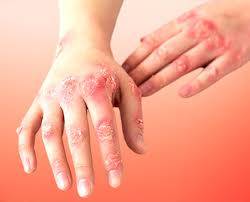
Psoriasis is one of the most common skin conditions. It’s a chronic disease that can cause both physical and emotional discomfort. While psoriasis is not contagious, its visible appearance often raises concern and may affect a person’s self-confidence. In this article, we’ll cover everything you need to know about psoriasis—from its causes and symptoms to the most effective treatments.
What Is Psoriasis?
Psoriasis is a chronic autoimmune disorder that causes the life cycle of skin cells to speed up, leading to their rapid buildup on the surface of the skin. This results in thick, red patches covered with silvery-white scales. Psoriasis is a long-term condition that goes through cycles of flare-ups and remission.
What Causes Psoriasis?
The exact cause is unknown, but psoriasis is believed to result from an immune system malfunction, where white blood cells mistakenly attack healthy skin cells. This triggers inflammation and the rapid production of skin cells. Common triggers include:
- Genetics: Family history increases the risk.
- Infections: Such as strep throat.
- Stress and emotional tension.
- Skin injuries: Cuts, burns, or scratches.
- Certain medications: Like lithium or beta-blockers.
- Smoking and alcohol consumption.
- Weather changes: Especially cold, dry weather.
What Are the Symptoms of Psoriasis?
Symptoms vary from person to person but often include:
- Red patches of skin covered with silvery scales.
- Dry, cracked skin that may bleed.
- Itching, burning, or soreness in the affected areas.
- Thickened or discolored nails, possibly separating from the nail bed.
- Joint pain and swelling (in psoriatic arthritis).
What are Types of Psoriasis?
- Plaque Psoriasis: The most common type, with thick, scaly plaques.
- Guttate Psoriasis: Small, drop-like spots that often follow infections.
- Inverse Psoriasis: Affects skin folds like the armpits or groin.
- Pustular Psoriasis: Characterized by white blisters and red skin.
- Erythrodermic Psoriasis: A rare and severe form affecting the whole body with intense redness and shedding.
How Is Psoriasis Diagnosed?
A dermatologist can typically diagnose psoriasis based on a physical examination. In some cases, a skin biopsy may be done to confirm the diagnosis and rule out similar conditions.
What are Psoriasis Treatment Options?
There is no permanent cure for psoriasis, but many treatments can significantly relieve symptoms and improve quality of life:
1. Topical Treatments:
- Corticosteroid creams.
- Vitamin D analogs (like calcipotriol).
- Coal tar or salicylic acid to reduce scaling.
2. Phototherapy (Light Therapy):
- Controlled exposure to UVB light.
- Effective for moderate to severe cases.
3. Systemic Treatments (Oral or Injected):
- Methotrexate.
- Cyclosporine.
- Biologic medications (e.g., Adalimumab, Infliximab).
What are theTips for Living with Psoriasis?
- Moisturize your skin regularly to prevent dryness.
- Avoid triggers such as stress, smoking, or harsh skincare products.
- Follow an anti-inflammatory, healthy diet.
- Exercise regularly to reduce inflammation.
- Avoid long hot showers.
- Use gentle, fragrance-free skincare products.
When Should You See a Doctor?
Consult a dermatologist if:
- You notice new patches or worsening symptoms.
- Psoriasis begins to interfere with your daily life or mental health.
- Home remedies or over-the-counter treatments are no longer effective.
Conclusion
Psoriasis is a chronic skin condition, but with proper diagnosis and ongoing care, you can manage its symptoms and lead a normal, healthy life. Don’t hesitate to seek professional help—modern treatments can greatly improve your skin’s appearance and your overall well-being.
If you still need to consult a doctor regarding this condition, you can easily book an appointment through Vezeeta
Related Keywords



References
National Psoriasis Foundation (NPF) – https://www.psoriasis.org
Mayo Clinic – Psoriasis – https://www.mayoclinic.org/diseases-conditions/psoriasis
American Academy of Dermatology (AAD) – https://www.aad.org/public/diseases/psoriasis
NHS UK – Psoriasis – https://www.nhs.uk/conditions/psoriasis
Cleveland Clinic – Psoriasis – https://my.clevelandclinic.org/health/diseases/4745-psoriasis
World Health Organization (WHO) – Psoriasis Fact Sheet – https://www.who.int/news-room/fact-sheets/detail/psoriasis


