Skin Allergies: A Comprehensive Guide to Symptoms, Causes, and Treatments
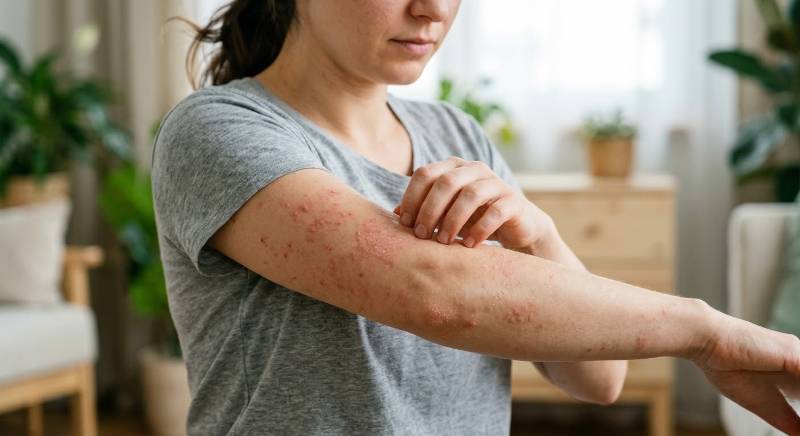
in allergies are among the most common health issues, occurring simply when your immune system mistakenly identifies a harmless substance as a threat and attacks the body. To respond to this “imaginary danger,” the body releases powerful chemicals such as histamine, which is primarily responsible for skin irritation. Allergies may appear mildly as redness and slight itching, but sometimes they can escalate into severe swelling or painful blisters that require immediate medical attention to ensure your safety.
What Are Skin Allergies?
Skin allergies are an exaggerated immune response to certain substances known as “allergens.” Normally, your immune system protects you from harmful invaders like viruses, but in someone with allergies, the immune system attacks harmless substances such as pollen, detergents, or certain foods. This attack triggers histamine release in the skin tissues, causing blood vessels to expand and producing common allergy signs such as redness, swelling, and an intense urge to scratch.
Common Types of Skin Allergies
There are several types of skin allergies depending on how the skin reacts to triggers. The most common include:
- Contact dermatitis, which occurs when the skin touches certain substances like nickel in jewelry or chemicals in soaps.
- Urticaria (hives), which appear as raised red patches, often caused by reactions to food or medication.
- Allergic contact dermatitis, which develops after repeated exposure to a particular substance.
- Allergies triggered by sun exposure or extreme cold are also common.
What Is Eczema and How Is It Different from Regular Allergies?
Eczema is a skin condition that makes the skin extremely dry and irritated. The difference between eczema and regular allergies is that eczema is usually chronic, caused by a defective skin barrier or genetic factors. Regular allergies are immediate, temporary reactions to specific substances and resolve once the trigger is removed, whereas eczema patients naturally have sensitive skin prone to flare-ups from weather, stress, or detergents, requiring ongoing medical care for moisturizing and protection.
Symptoms of Skin Allergies
Symptoms vary depending on severity, but redness and itching are common in most cases. Additional signs may include:
- Severe dryness leading to cracking.
- Small fluid-filled blisters that may ooze if scratched.
- In severe cases, noticeable swelling, warmth, or tingling like pinpricks.
These symptoms may appear in localized areas or spread across the body depending on the type of allergy.
Causes of Sudden Skin Allergies
Sudden allergies often result from direct exposure to a strong irritant or consuming foods that trigger an immediate immune response. Common causes include new cosmetic products with strong fragrances or insect bites. Stress and anxiety also play a role, as psychological pressure stimulates the body to release chemicals that increase skin sensitivity and cause sudden rashes. Sudden weather changes, such as moving from cold to very hot conditions, can also trigger immediate irritation.
Skin Allergies in Children: Causes and Treatment
Children’s skin is very delicate and more sensitive to external factors than adult skin. Diaper rash and childhood eczema are common complaints, often caused by synthetic fabrics or harsh detergents. Treatment mainly focuses on intensive moisturizing with fragrance-free medical creams and avoiding known allergens.
In some cases, doctors may prescribe antihistamine syrup in carefully measured doses to relieve itching and help the child sleep peacefully without harming the skin.
How Do Dermatologists Diagnose Skin Allergies?
Doctors usually start with a visual examination and questions about daily habits and products used. Accurate diagnosis may require a patch test, where small samples of suspected allergens are applied to the back and monitored for two days. Blood tests measuring allergy antibodies can also be used. These tests help identify the true cause of irritation, whether chemical, dietary, or environmental.
Treating Skin Allergies
The first step in treatment is to stop using the irritating substance immediately. Medically, antihistamines (pills or syrup) are used to reduce immune reactions and itching. Topical corticosteroid creams help reduce inflammation and redness. Regular use of medical moisturizers restores the skin barrier. In severe cases accompanied by difficulty breathing, emergency care with epinephrine injections may be necessary.
Are Skin Allergies Chronic or Temporary?
Most skin allergies are temporary, disappearing once the trigger is removed and symptoms are treated. However, conditions like hereditary eczema or chronic urticaria may persist for long periods or recur intermittently over years. Chronic allergies require a lifestyle that avoids triggers and maintains constant skin hydration to prevent flare-ups, a manageable condition with proper care.
How to Avoid Skin Allergy Triggers
Prevention starts with awareness of substances that touch your skin. Always use hypoallergenic products free of fragrances and dyes. Wear loose cotton clothing, as synthetic fibers and tight clothes increase friction and irritation. Bathe with lukewarm water instead of hot water to preserve natural skin oils, and gently pat the skin dry instead of rubbing to protect the outer layer.
In conclusion, your skin is your first line of defense, and skin allergies are warning signals urging you to be mindful of what contacts or enters your body. Managing flare-ups wisely involves staying calm, avoiding scratching, moisturizing daily, and consulting specialists when needed. Healthy skin starts with simple preventive steps and conscious product choices, ensuring lasting comfort and irritation-free skin.
If you still need a doctor’s consultation regarding this condition, you can easily book an appointment through Vezeeta.
Related Keywords

Specialized Doctors

Noha Nagy
Consultant in Dermatology, Venereology and Aesthetics – Faculty of Medicine, Ain Shams University

Yousra Hilal
- Specialist in Dermatology, Cosmetology and Laser

Azmy AbdElatif
Professor of Dermatology, Venereology, Infertility and Andrology, Al-Azhar University
References
- Mayo Clinic: https://www.mayoclinic.org/diseases-conditions/skin-allergy/symptoms-causes/syc-20377514
- Cleveland Clinic: https://my.clevelandclinic.org/health/diseases/21498-skin-allergy
- Healthline: https://www.healthline.com/health/skin-allergy
- WebMD: https://www.webmd.com/allergies/skin-allergies
- Medical News Today: https://www.medicalnewstoday.com/articles/40220
- MedlinePlus: https://medlineplus.gov/skinconditions.html
- NHS: https://www.nhs.uk/conditions/contact-dermatitis/
Specialized Doctors
Noha Nagy
Consultant in Dermatology, Venereology and Aesthetics – Faculty of Medicine, Ain Shams University
Yousra Hilal
- Specialist in Dermatology, Cosmetology and Laser
Azmy AbdElatif
Professor of Dermatology, Venereology, Infertility and Andrology, Al-Azhar University