When Does Diarrhea Become Dangerous? Learn the warning signs and the proper ways to manage it.

What Are the Causes of Watery Diarrhea?
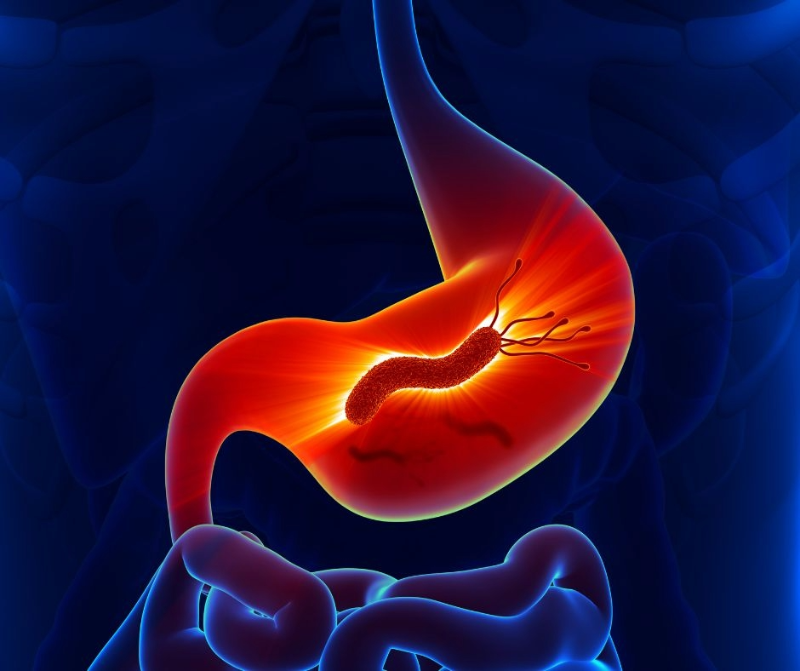
Watery diarrhea occurs when the intestines fail to absorb enough fluids or secrete excess, making the stool completely liquid and free of solid matter. This condition can be uncomfortable and may lead to dehydration if it persists for a long time. It usually results from several common causes, including:
- Viral infections: Such as norovirus and rotavirus, often known as stomach flu.
- Bacteria and parasites: Consuming contaminated food or water can trigger severe watery diarrhea episodes.
- Food intolerances: For example, lactose in dairy products can be difficult to digest.
- Medications and antibiotics: These can disrupt the natural balance of gut bacteria, causing diarrhea.
Causes of Diarrhea in Infants
The causes of diarrhea in infants differ from those in older children and adults, as infants rely entirely on milk and have a very sensitive digestive system. Key causes include:
- Sudden formula changes: Switching from one type of formula to another or cow’s milk protein intolerance.
- Mother’s diet impact: What the mother eats during breastfeeding can affect the baby.
- Contamination: Using unclean feeding tools can lead to parasitic infections.
- Teething stage: Infants often put contaminated objects in their mouths, increasing the risk of viruses like rotavirus, which cause severe watery diarrhea.
Causes of Diarrhea in Children
Diarrhea in older children is common and can occur for various reasons depending on age, diet, and lifestyle. It can be distressing for both children and parents and may lead to dehydration if prolonged. Major causes include:
- Food poisoning: Eating food contaminated with bacteria such as Salmonella can trigger diarrhea.
- Excess sweetened juices: Sorbitol and fructose draw water into the intestines, leading to diarrhea.
- Viral infections: Spread quickly in nurseries and schools through contaminated hands.
- Antibiotics: Used to treat other illnesses, they may kill beneficial bacteria and cause temporary gut disturbance.
What Does Persistent Diarrhea Indicate?
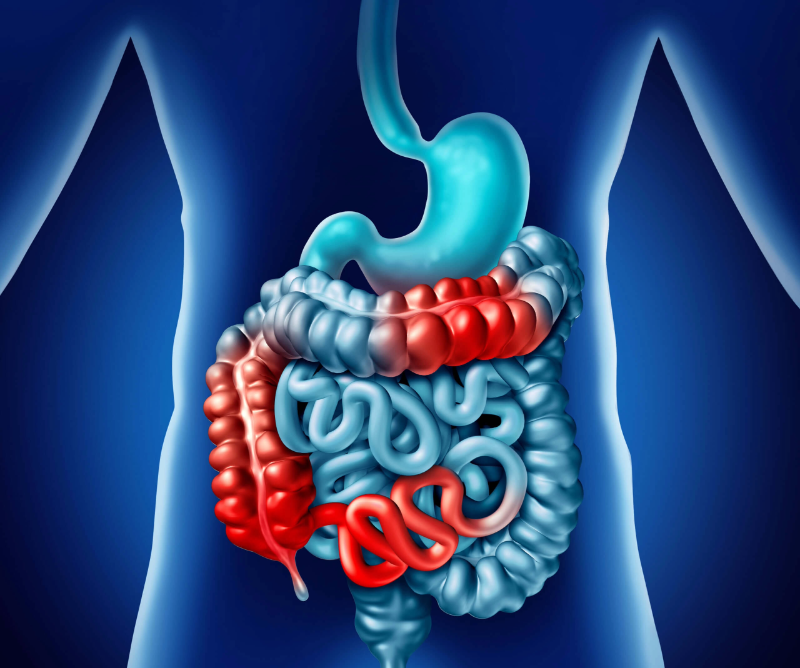
If diarrhea lasts more than two weeks, it is considered chronic or persistent, often indicating an underlying health issue requiring medical investigation. Persistent diarrhea may signal:
- Irritable bowel syndrome (IBS)
- Inflammatory bowel diseases such as Crohn’s disease or ulcerative colitis
- Malabsorption disorders like celiac disease
- Endocrine problems, e.g., hyperthyroidism, which can abnormally speed up intestinal movement
What Is the Duration of Normal Diarrhea?
Typically, diarrhea caused by viral infection or mild food poisoning lasts 2–4 days. If it persists for more than a week without improvement, consulting a doctor is essential.
When Is Diarrhea Concerning?
While most cases resolve with rest and fluids, warning signs should not be ignored. Diarrhea is concerning if accompanied by:
- High fever
- Severe and persistent abdominal pain
- Blood or pus in the stool
Immediate medical attention is required if severe dehydration signs appear, such as:
- Completely dry mouth
- Reduced urination
- Severe dizziness or loss of consciousness
For infants, children, and the elderly, severe diarrhea is a medical emergency due to rapid fluid and electrolyte loss.
How Is Watery Diarrhea Treated?
Treatment focuses on replacing lost fluids and preventing dehydration:
- Oral rehydration solutions (ORS): Drinks containing the right balance of salts and sugars to replace fluids and minerals.
- Dietary adjustments: Light foods like boiled rice, bananas, mashed apples, and toast can reduce intestinal irritation.
- Medications: Over-the-counter anti-diarrheal drugs may help in mild adult cases but should be avoided if there is blood in the stool or suspected bacterial infection, as they may prevent the body from eliminating pathogens.
Is There Anything That Stops Diarrhea Immediately?
No magic solution stops diarrhea instantly, as the body needs to eliminate the cause. Medications like loperamide can slow intestinal movement and quickly relieve symptoms in adults, but pharmacist consultation is necessary first.
Does Lemon Tea Stop Diarrhea?
Lemon tea can help soothe stomach cramps and provide fluids, and lemon has mild antimicrobial properties. However, it is not a definitive treatment for acute diarrhea but serves as a fluid supplement.
Does Yogurt Stop Diarrhea?
Yes, yogurt contains probiotics (beneficial bacteria) that help restore the natural gut balance, potentially reducing the duration of diarrhea associated with antibiotics or viral infections.
Conclusion
Understanding the causes of watery diarrhea and managing them mindfully helps you overcome this condition safely without complications. Most cases resolve on their own once the body gets enough rest and fluid replacement. However, do not hesitate to seek medical advice if symptoms persist or dehydration signs appear, especially in high-risk groups like infants and the elderly.
If you still need a doctor’s consultation for this condition, you can easily book an appointment through Vezeeta.
Related Keywords

Specialized Doctors

Amira Gamea
Consultant in general internal medicine, diabetes and gastroenterology at Police Authority Hospitals

Ayman Mahmoud Moustafa
Senior Consultant of Internal medicine

Mohamed Mokhtar Selim
Consultant in internal medicine, digestive system, liver
References
- https://www.google.com/search?q=https://www.healthline.com/health/digestive-health/how-to-stop-diarrhea-fast
- https://my.clevelandclinic.org/health/diseases/4108-diarrhea
- https://www.mayoclinic.org/diseases-conditions/diarrhea/symptoms-causes/syc-20352241
- https://www.healthline.com/health/baby/baby-diarrhea
- https://www.webmd.com/parenting/baby/baby-diarrhea-causes-treatment
- https://www.hopkinsmedicine.org/health/conditions-and-diseases/diarrhea-in-children
- https://medlineplus.gov/diarrhea.html
- https://www.google.com/search?q=https://www.webmd.com/digestive-disorders/chronic-diarrhea-causes
- https://pubmed.ncbi.nlm.nih.gov/
Specialized Doctors
Amira Gamea
Consultant in general internal medicine, diabetes and gastroenterology at Police Authority Hospitals
Ayman Mahmoud Moustafa
Senior Consultant of Internal medicine
Mohamed Mokhtar Selim
Consultant in internal medicine, digestive system, liver