Causes and Treatment of Ophthalmitis (Eye Inflammation)… Does the Pain Go Away?
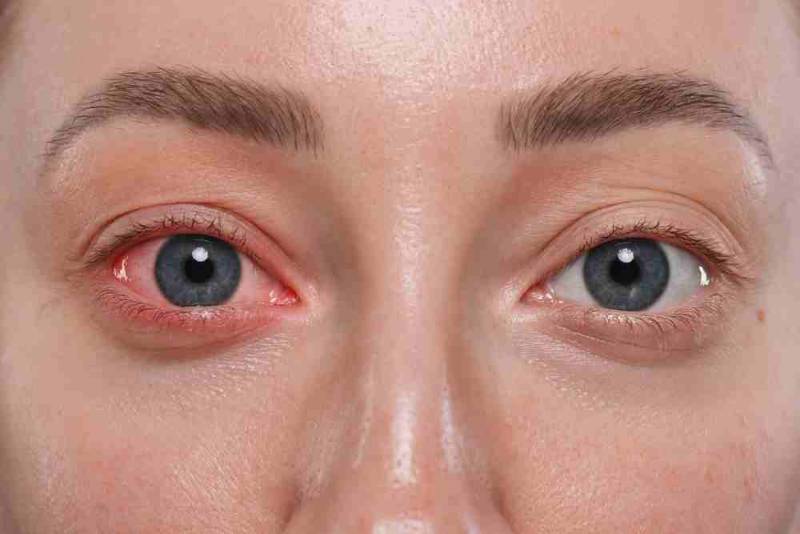
Ophthalmitis (Eye Inflammation) affects people of all ages, causing pain and redness in the affected eye. Although treatment is often simple, neglecting the condition can lead to serious complications.
In this article, we’ll explore the causes and treatment of ophthalmitis (Eye Inflammation), its key symptoms, and when it may become a serious concern.
what is Ophthalmitis (Eye Inflammation)?
Ophthalmitis (Eye Inflammation) can result from bacterial, viral, or sometimes fungal infections. It may also occur due to allergic reactions or direct injury to the eye.
As one of the most sensitive organs in the body, the eye can be affected in one or both sides. The severity of ophthalmitis (Eye Inflammation) varies depending on the underlying cause and the body’s immune response.
“Ophthalmitis” (Eye Inflammation) is a broad term that includes conditions such as eyelid inflammation and inflammation of the eye’s various layers. Common symptoms include redness, swelling, and pain in the eye.
The most common types of ophthalmitis include:
- Conjunctivitis (pink eye)
- Blepharitis (eyelid inflammation)
- Iritis (inflammation of the iris)
- Dacryocystitis (tear duct inflammation)
- Endophthalmitis (intraocular inflammation)
what are Symptoms of Ophthalmitis (Eye Inflammation)?
Ophthalmitis (Eye Inflammation) can affect various parts of the eye, including the cornea, retina, conjunctiva, or eyelids. Symptom severity varies based on the area involved, the cause, and the patient’s immune response.
Common symptoms include:
- Eye pain and itching
- Eyelid tenderness
- Excessive tearing
- Light sensitivity
- Sensation of a foreign body in the eye
- Swollen eyelids
- Redness and irritation of the eye and eyelids
- Yellow or green discharge, often crusting lashes together, especially in the morning
- Blurred vision
- Fever
What are Causes of Ophthalmitis(Eye Inflammation)?
Ophthalmitis (Eye Inflammation) in one or both eyes is commonly caused by bacterial, viral, or fungal infections, especially when an eye injury or scratch allows pathogens to enter.
Other contributing factors include:
- Chlorine in swimming pools
- Exposure to chemicals, dust, pollen, or pet dander
- Poor hygiene, such as touching the eye with unwashed hands
- Swimming in contaminated water
- Wearing unsterilized contact lenses
- Sharing eye drops or towels with infected individuals
What areTypes of Ophthalmitis(Eye Inflammation)?
The type of ophthalmitis depends on the affected part of the eye. Key types include:
1. Conjunctivitis (Pink Eye)
The conjunctiva is the thin membrane covering the white of the eye and the inner eyelids. It is particularly vulnerable to infections.
Types of conjunctivitis:
- Bacterial or viral:
- Bacterial conjunctivitis is more common in children, while viral forms affect adults. Viral conjunctivitis (pink eye) occurs due to infection of the conjunctival blood vessels and remains contagious for up to two weeks.
- Allergic conjunctivitis:
- Triggered by allergens such as chlorine, dust, pet dander, or pollen.
- Chlamydial conjunctivitis:
- Caused by Chlamydia trachomatis, a sexually transmitted infection.
- Gonococcal conjunctivitis:
- Caused by Neisseria gonorrhoeae, common in sexually active teens and newborns.
2. Endophthalmitis
This severe form of ophthalmitis refers to an infection within the eye’s internal fluids or tissues, often fungal. Research suggests it can also occur after cataract surgery.
It requires urgent treatment to prevent blindness and is classified into:
- Exogenous endophthalmitis: Resulting from eye trauma or surgery
- Endogenous endophthalmitis: Caused by systemic infection spreading to the eye
3. Keratitis (Corneal Ophthalmitis)
The cornea is the transparent layer over the colored part of the eye and the surface where contact lenses rest.
Keratitis can result from:
- Improper contact lens hygiene
- Contact with chemical-containing plants
- High humidity environments
- Use of steroid-based eye drops
- Weakened immunity
Untreated keratitis can cause corneal scarring and permanent vision loss.
Types include:
- Bacterial keratitis
- Parasitic keratitis (Acanthamoeba)
- Fungal keratitis
- Herpetic keratitis
4. Blepharitis (Eyelid Ophthalmitis)
Blepharitis results from allergies, blocked oil glands, or bacterial infections. It is classified as:
- Anterior blepharitis: Affects the base of the eyelashes
- Posterior blepharitis: Affects the inner eyelids, often linked to skin conditions
5. Iritis (Uveitic Ophthalmitis)
The iris supplies blood to the retina. Iritis often accompanies systemic illnesses, including:
- HIV/AIDS
- Multiple sclerosis
- Psoriasis
- Shingles
- Tuberculosis
6. Stye (Hordeolum)
A stye is a small red bump at the eyelid edge caused by bacterial infection of oil glands or eyelash follicles, often due to touching the eyes with dirty hands.
7. Periorbital or Orbital Cellulitis
This form of ophthalmitis affects the surrounding tissues of the eye, often due to bacterial entry after trauma.
Types include:
- Periorbital cellulitis
- Orbital cellulitis
What are Diagnosis of Ophthalmitis (Eye Inflammation)?
Diagnosis is based on a clinical exam and symptom history. The physician may also take a swab of any discharge to identify whether the cause is bacterial, viral, or fungal, allowing for targeted treatment.
What is Treatment of Ophthalmitis (Eye Inflammation)?
Treatment depends on the underlying cause:
- Bacterial or fungal: Antibiotic or antifungal drops, ointments, or oral medications
- Viral or allergic: Often self-limiting but can be relieved by:
- Avoiding irritants
- Warm or cold compresses
- Pain relievers and anti-inflammatory drugs
- Artificial tears
- Antihistamine eye drops (with medical guidance)
What are Complications of Ophthalmitis (Eye Inflammation)?
If left untreated, ophthalmitis (Eye Inflammation) can result in:
- Blocked tear ducts
- Chronic iritis
- Tear duct infections
- Corneal scarring and vision loss
- Complete blindness
- Severe intraocular infection (endophthalmitis)
How to Prevent Ophthalmitis (Eye Inflammation)?
To reduce the risk of ophthalmitis:
- Practice personal hygiene and handwashing
- Avoid expired or previously used cosmetics
- Don’t share towels or cosmetics
- Avoid contact with infected individuals
- Wear protective eyewear when necessary
- Follow contact lens care instructions strictly
- Minimize exposure to known allergens
Final Thoughts
Ophthalmitis (Eye Inflammation) may develop from various causes, particularly infections. Prompt diagnosis and treatment are key to preventing complications that can permanently impact vision.
If you still need to consult a doctor regarding this condition, you can easily book an appointment through Vezeeta
Related Keywords



References
American Academy of Ophthalmology (AAO). Eye Infections.
https://www.aao.org/eye-health/diseases/eye-infections
Mayo Clinic. Conjunctivitis (Pink Eye). Symptoms & Causes.
https://www.mayoclinic.org/diseases-conditions/conjunctivitis/symptoms-causes/syc-20352990
Cleveland Clinic. Eye Infections and Inflammation.
https://my.clevelandclinic.org/health/diseases/21449-eye-infections
National Eye Institute (NEI). Eye Infection Overview.
https://www.nei.nih.gov/learn-about-eye-health/eye-conditions-and-diseases/eye-infections
WebMD. Eye Infections: Symptoms, Causes, and Treatment.
https://www.webmd.com/eye-health/eye-infections
Healthline. Eye Inflammation: Causes, Symptoms, and Treatment.
https://www.healthline.com/health/eye-inflammation
NHS (UK). Eye Infection.
https://www.nhs.uk/conditions/eye-infections/