What causes vaginal bleeding, and how can it be treated?
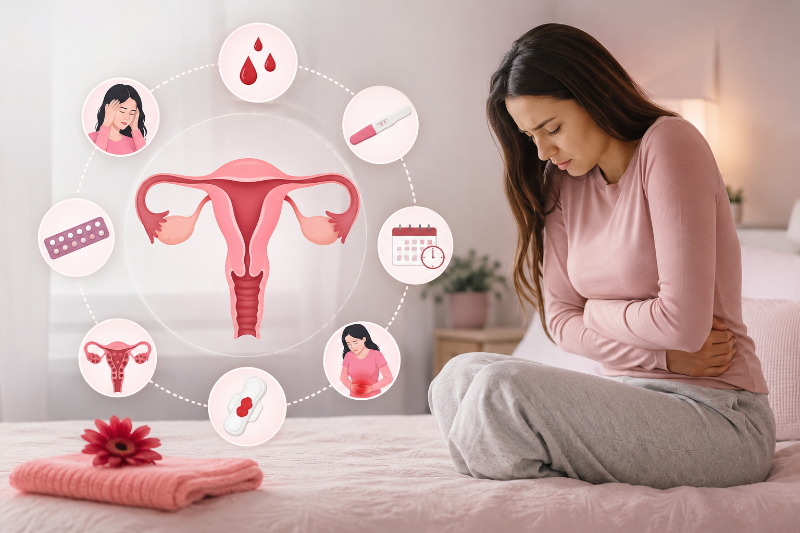
Vaginal Bleeding
Vaginal bleeding outside of regular menstrual periods is a common symptom affecting women at different stages of life. This condition can cause significant concern, as its causes range from natural hormonal changes to medical conditions that may require immediate attention.
When Is Vaginal Bleeding Dangerous?
Uterine bleeding becomes serious and requires immediate emergency care if it is extremely heavy, soaking through one sanitary pad or more within an hour for consecutive hours. Bleeding is also concerning if it is accompanied by severe dizziness, fainting, or paleness, which may indicate severe anemia or a sudden drop in blood pressure.
Causes of Vaginal Bleeding by Age
The causes vary significantly depending on a woman’s age:
Before puberty:
Bleeding is often linked to a foreign object in the vagina, localized injury, or early puberty.
During reproductive years:
Common causes include ovulation disorders, Polycystic Ovary Syndrome, hormonal contraceptive use, uterine fibroids, or polyps.
Before menopause:
Bleeding may occur due to major hormonal fluctuations and decreased progesterone production as menopause approaches.
Causes of Sudden Vaginal Bleeding
Sudden vaginal bleeding may occur due to rapid physical or hormonal changes, such as:
- Missing birth control pills
- Severe psychological stress
- Chronic fatigue
- Hormonal imbalance
It may also result from:
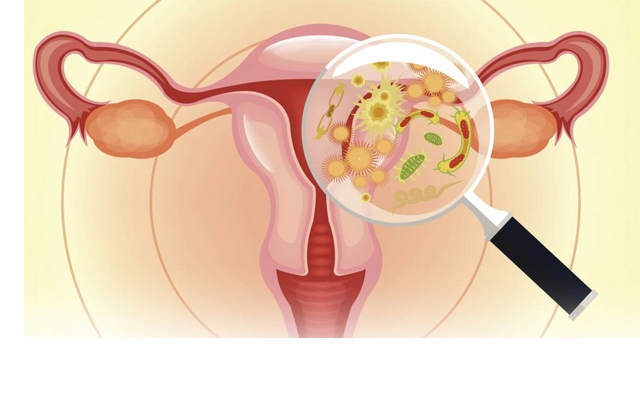
- Cervical infections
- Pelvic infections
- Sexually transmitted infections
In some cases, bleeding may occur after intercourse due to irritation of inflamed tissues.
Causes of Vaginal Bleeding After a Period
Bleeding immediately after menstruation may occur due to residual uterine lining that was not fully shed, which is usually not a cause for concern. However, recurring bleeding may indicate cervical polyps or uterine polyps affected by hormonal changes.
Cervical erosion or fungal and bacterial vaginal infections may also cause spotting after intercourse following menstruation due to friction on irritated tissues.
Vaginal Bleeding in Early Pregnancy
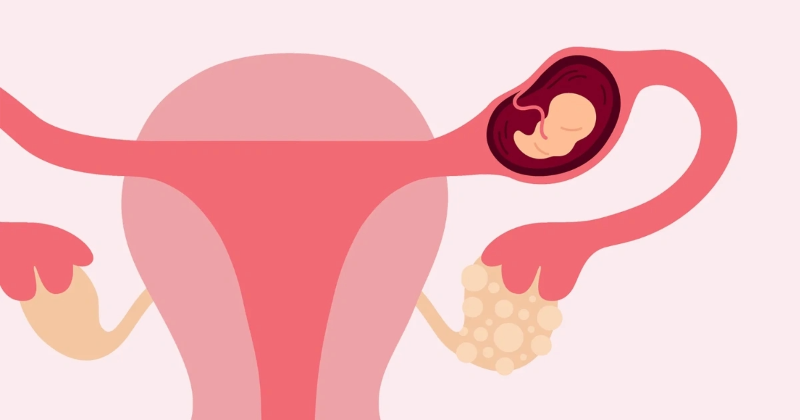
Bleeding during early pregnancy requires careful monitoring. Light bleeding may be normal due to implantation of the fertilized egg into the uterine wall. However, heavy bleeding accompanied by severe cramps may indicate an early miscarriage or an ectopic pregnancy in the fallopian tube.
Pregnant women should consult a doctor immediately for an ultrasound examination and to check fetal heartbeat and pregnancy hormone levels.
What Does the Color of Vaginal Blood Mean?
The color of the blood can provide clues about the condition and timing of bleeding:
Bright red:
Indicates active, fresh bleeding flowing quickly from the uterus or vagina.
Brown or dark:
Represents older blood that took longer to exit the uterus and is common at the end of menstruation or in early pregnancy.
Pink:
Usually appears when blood mixes with normal vaginal discharge and may occur during ovulation or due to mild irritation.
How Can Vaginal Bleeding Be Treated?
Treatment depends primarily on identifying the underlying cause, so the management plan varies from one case to another.
Treatment options include:
- Hormonal therapies such as birth control pills to regulate hormones
- Nonsteroidal anti-inflammatory drugs (NSAIDs) to reduce blood flow and relieve pain
- Antifibrinolytic medications to help reduce heavy bleeding
In some cases, surgery may be necessary, such as:
- Removing uterine fibroids
- Removing uterine polyps
- Endometrial curettage in severe cases
Home Treatment for Vaginal Bleeding
Home care cannot replace medical evaluation, but it may help relieve symptoms. It is recommended to get adequate rest and avoid strenuous physical activities that may increase blood flow. Applying cold compresses to the lower abdomen may temporarily constrict blood vessels and reduce bleeding.
Focus on iron-rich foods such as spinach and red meat to compensate for blood loss and prevent anemia. Drinking enough fluids is also important to maintain hydration and prevent weakness.
Treatment for Persistent Vaginal Bleeding
Persistent vaginal bleeding requires a long-term treatment strategy to control ongoing blood flow. Medical options include hormonal IUD insertion, which releases progesterone directly into the uterus to thin the lining and significantly reduce bleeding.
In chronic cases that do not respond to medication and severely affect quality of life, hysterectomy may become the final surgical option for definitive treatment.
Treatment for Vaginal Bleeding in Young Girls
Treatment in young girls and adolescents focuses on regulating the menstrual cycle without affecting future fertility. Oral progesterone supplements may be used to manage bleeding caused by immaturity of the hormonal axis between the brain and ovaries during early puberty.
Associated anemia is treated with carefully monitored iron supplements, along with dietary guidance to support overall health and prevent recurrent weakness.
In conclusion, vaginal bleeding is a medical symptom with many physical and hormonal causes. It should not be ignored or managed randomly without professional consultation. Proper medical evaluation is essential to identify the cause and ensure the right treatment to protect overall health.
If you still need medical advice regarding this condition, you can easily book an appointment through Vezeeta.
Related Keywords

Specialized Doctors

Maher Elshazly
Consultant in Obstetrics, Gynecology, Infertility, ICSI, Gynecological Surgeries and Endoscopy, Al-Azhar Medicine

Habiba Osama
Specialist in Obstetrics and Gynecology
Doaa yousef
Obstetrics and Gynecology Consultant
References
- https://my.clevelandclinic.org/
- https://www.mayoclinic.org/
- https://www.healthline.com/
- https://www.webmd.com/
- https://my.clevelandclinic.org/
Specialized Doctors
Maher Elshazly
Consultant in Obstetrics, Gynecology, Infertility, ICSI, Gynecological Surgeries and Endoscopy, Al-Azhar Medicine
Habiba Osama
Specialist in Obstetrics and Gynecology
Doaa yousef
Obstetrics and Gynecology Consultant