Can blood clots be detected before they occur? A comprehensive guide to their types and warning symptoms.
What is a Blood Clot?
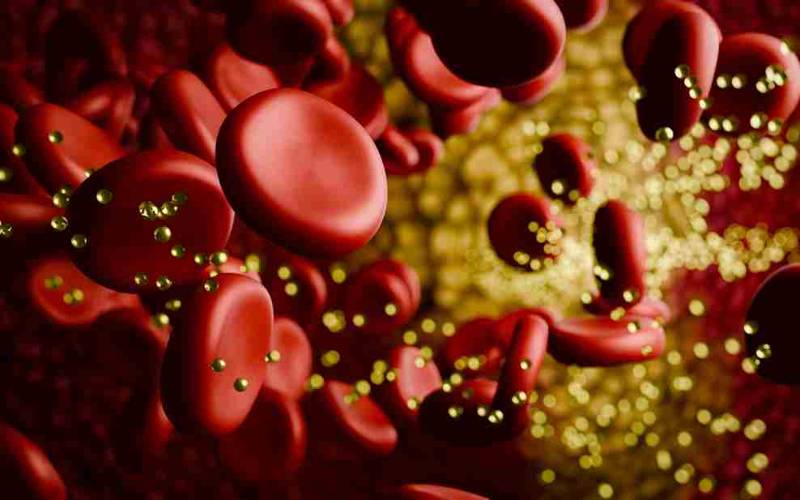
A clot (Thrombosis or Clot) is an abnormal coagulation of blood within the blood vessels, whether in the arteries or veins, leading to an obstruction of blood flow to a vital organ in the body. A clot can form anywhere in the body, but the most dangerous ones are those that affect the heart, brain, and legs.
Clots are mainly divided into:
- Heart Attack (Myocardial Infarction): An obstruction in the coronary arteries of the heart, leading to a lack of blood supply to the heart muscle.
- Stroke: An interruption or reduction in blood flow to the brain, caused by either a blocked blood vessel or bleeding.
- Deep Vein Thrombosis (DVT): The formation of a clot in the deep veins of the leg, which may travel to the lungs and cause a pulmonary embolism.
What are the Symptoms of a Blood Clot?
Symptoms of a clot vary depending on its type and location in the body. However, there are general signs that should not be ignored, such as:
- Sudden and sharp pain in the affected area.
- Swelling or redness in the affected part.
- Shortness of breath or difficulty breathing.
- Sudden dizziness and fainting.
- Numbness or weakness in one of the limbs.
- A sudden change in the level of consciousness or awareness.
Remember: A clot is an emergency; the earlier treatment begins, the faster and better the recovery.
Symptoms of a Blood Clot in Women
Women sometimes experience slightly different symptoms than men, which may delay diagnosis. Symptoms of a clot in women include:
- Unexplained and severe fatigue days or weeks before the clot occurs.
- Nausea or vomiting accompanying the pain.
- Pain in the jaw, neck, or back instead of just the chest.
- Shortness of breath without obvious chest pain.
- Sudden cold sweats.
- Heart palpitations or a feeling of irregular heartbeat.
- Pain in the abdomen or upper stomach.
- Vision disturbances or a sudden severe headache.
Women during pregnancy or those using hormonal birth control pills are at a higher risk of clots, so a doctor should be consulted immediately upon the appearance of any of these symptoms.
What is a Heart Attack and How Does it Form?
A heart attack is not just a cardiac episode; it is an interruption in the blood supply to a part of the heart muscle, causing the death of heart cells if not treated in time. It is one of the leading causes of death worldwide.
Heart Attack Risk Factors:
- High blood pressure.
- High cholesterol.
- Smoking.
- Obesity.
- Diabetes.
- Family history of heart disease.
- Lack of physical activity.
- Chronic stress.
Symptoms of a Heart Attack
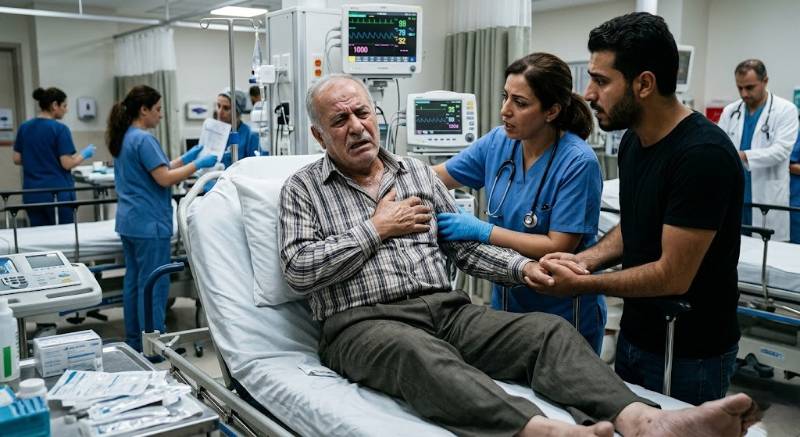
A heart attack or myocardial infarction occurs when the coronary arteries supplying the heart muscle are blocked. It is an emergency that requires immediate medical attention.
Main Symptoms of a Heart Attack:
- Severe chest pain described by the patient as pressure, heaviness, or squeezing, usually lasting for more than 20 minutes.
- Pain spreading to the left arm, neck, jaw, or back.
- Shortness of breath even at rest.
- Cold sweats and paleness of the face.
- Nausea and vomiting.
- Dizziness or fainting.
- Heart palpitations or a feeling of irregular heartbeat.
- Anxiety and a sense of "impending doom."
Symptoms of a Silent Heart Attack: In some cases, especially in diabetic patients, a heart attack may occur without obvious pain and is discovered by chance during an ECG.
What is a Stroke?
A stroke is one of the most serious medical conditions because every minute that passes without treatment means the death of approximately 1.9 million neurons. Therefore, in medicine, it is said: "Time is Brain."
Types of Stroke:
- Ischemic Stroke: The most common (85%), caused by a blocked blood vessel.
- Hemorrhagic Stroke: Caused by a ruptured blood vessel and bleeding within the brain.
Symptoms of a Stroke
Stroke symptoms can be remembered by the acronym "FAST":
- F – Face: Drooping on one side of the face or an asymmetrical smile.
- A – Arms: Sudden weakness or paralysis in an arm or leg.
- S – Speech: Difficulty speaking or slurred, unintelligible speech.
- T – Time: Call for an ambulance immediately.
Symptoms of a Cerebral Thrombosis
Cerebral thrombosis is a term often used interchangeably with stroke, covering the same symptoms mentioned above. The difference sometimes lies in the location of the clot within the brain:
- Frontal Lobe Clot: Affects personality and decision-making.
- Parietal Lobe Clot: Affects sensation and spatial awareness.
- Cerebellar Clot: Causes severe disturbance in balance and coordination.
- Brainstem Clot: The most dangerous, as it may affect breathing, swallowing, and eye movement.
Symptoms of a Mini-Stroke
A Transient Ischemic Attack (TIA), or what is known as a mini-stroke, is a temporary episode that resembles stroke symptoms but resolves within minutes to hours without permanent damage.
Symptoms of a Mini-Stroke:
- Temporary weakness or numbness in the face or limbs.
- Temporary difficulty in speaking or understanding.
- Temporary loss of vision in one eye.
- Dizziness or loss of balance for a short period.
- Sudden severe headache that then subsides.
Important Warning: A mini-stroke is an early warning for a future major stroke. A doctor must be seen immediately even if symptoms disappear, as the risk of a full stroke rises significantly within 48 hours.
Can a Stroke Patient Recover?
Yes, recovery from a stroke is possible, but the degree of recovery depends on several factors:
- Speed of medical intervention: The faster the ambulance is called, the better the recovery.
- Size and area of the clot: Small clots in less vital areas allow for greater recovery.
- Age and general health: Younger and healthier individuals recover faster.
- Rehabilitation programs: Physical, speech, and occupational therapy significantly improve recovery.
When Does a Stroke Patient Die?
No definitive answer can be given as the outcome depends on several medical factors. However, the risk of death increases in cases of:
- Large hemorrhagic strokes that cause severe pressure on the brain.
- Delaying treatment for more than 6-8 hours from the onset of symptoms.
- Existence of chronic diseases such as heart or kidney failure.
- Infections and complications, such as pneumonia or a subsequent pulmonary embolism.
Symptoms of a Clot Due to Sadness
Many ask: Can psychological stress and extreme sadness cause a clot? The answer is: Yes, and it is scientifically documented.
How Does Sadness Cause a Clot? When exposed to acute psychological stress or severe emotional shock, the body secretes stress hormones like adrenaline and cortisol, which cause:
- Increased heart rate and a sudden rise in blood pressure.
- Constriction of blood vessels, increasing pressure on the arteries.
- Increased blood viscosity and its tendency to clot.
- Stimulation of blood platelets, making them more likely to clump together.
When Should You Go to the Emergency Room Immediately?
Call an ambulance or go to the ER immediately if you notice:
- Severe chest pain extending to the arm or jaw.
- Sudden paralysis or weakness on one side of the body.
- Sudden difficulty in speaking or understanding.
- Drooping on one side of the face.
- A sudden severe headache.
- Acute shortness of breath without an obvious cause.
- Sudden coldness or paleness in a leg or foot accompanied by severe pain.
How Can a Clot Be Prevented?
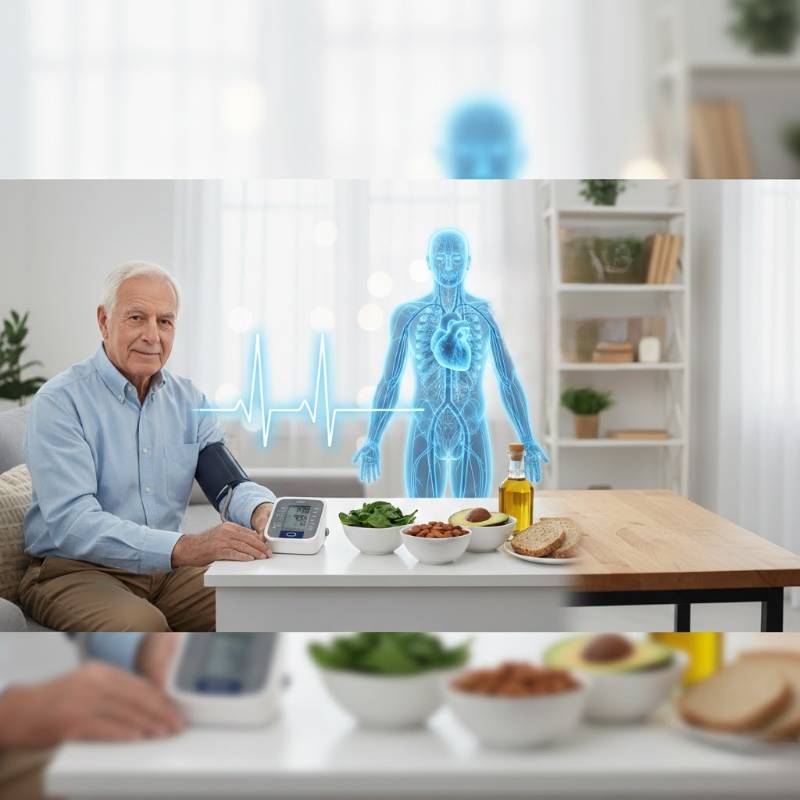
- Exercise regularly (at least 30 minutes daily).
- Quit smoking completely.
- Maintain a healthy weight.
- Drink sufficient amounts of water.
- Avoid sitting for long periods without movement.
- Follow a healthy diet low in saturated fats.
- Control blood pressure, sugar, and cholesterol.
- Consult a doctor regularly, especially if you have a family history of heart disease and clots.
In conclusion, blood clots of all types—whether in the heart, brain, or leg—are among the most serious medical conditions and require immediate intervention. Early recognition of symptoms and seeking prompt medical help can mean the difference between life and death, and between full recovery and permanent disability. Do not ignore any suspicious symptoms; every minute makes a difference.
If you still need to consult a doctor about this condition, you can easily book an appointment through Vezeeta.
Related Keywords

Specialized Doctors

Gamal Diaa
Consultant Neurologist at Armed Forces Hospitals
Aly Gaber
Consultant and Lecturer of Neurology and Cerebral Catheterization at the Faculty of Medicine, Mansoura University

Ahmad Abd Elmordy
Specialist and Assistant Lecturer of Neurology and Spine Medicine at college of medicine.
References
- https://my.clevelandclinic.org/health/diseases/17675-blood-clots
- https://www.google.com/search?q=https://www.healthline.com/health/blood-clot-symptoms
- https://www.google.com/search?q=https://www.webmd.com/heart-disease/guide-heart-attack
- https://www.heart.org/en/health-topics/heart-attack/warning-signs-of-a-heart-attack/heart-attack-symptoms-in-women
- https://www.nhs.uk/conditions/stroke/symptoms/
Specialized Doctors
Gamal Diaa
Consultant Neurologist at Armed Forces Hospitals
Aly Gaber
Consultant and Lecturer of Neurology and Cerebral Catheterization at the Faculty of Medicine, Mansoura University
Ahmad Abd Elmordy
Specialist and Assistant Lecturer of Neurology and Spine Medicine at college of medicine.