Weak Heart Muscle (Cardiomyopathy): Causes, Symptoms, Treatment & When It Becomes Dangerous
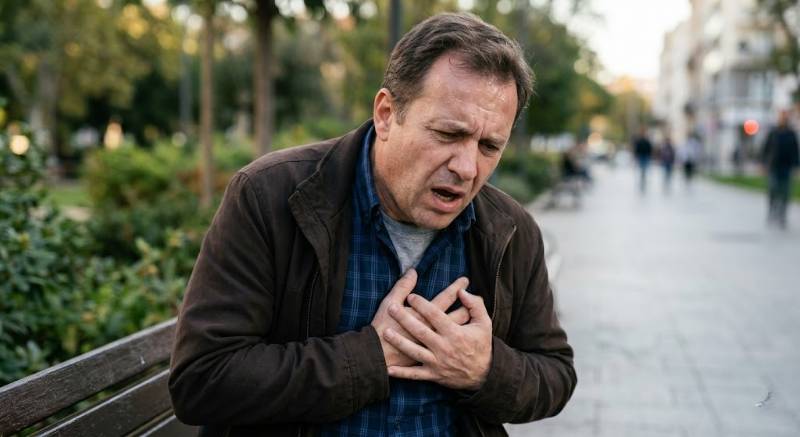
What is Heart Muscle Weakness?
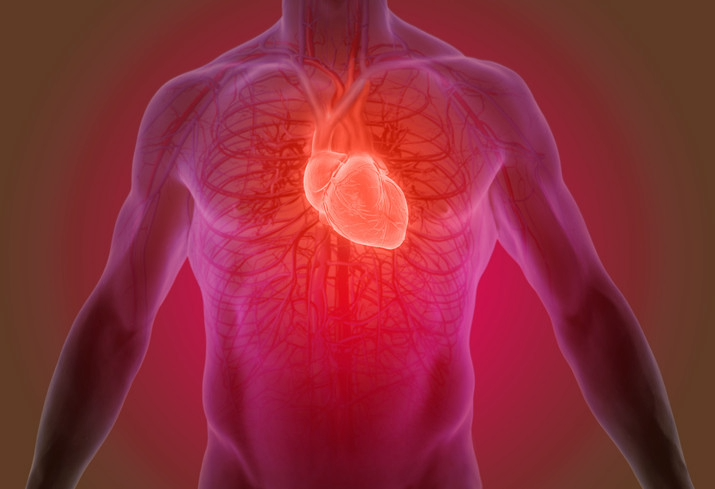
Heart muscle weakness, or cardiomyopathy, is a condition in which the heart muscle loses its ability to contract or relax normally, leading to reduced blood flow to the rest of the body. Over time, this may cause:
- Reduced oxygen delivery to tissues
- Fluid accumulation in the lungs and extremities
- Progression to heart failure
In some cases, the weakness affects the strength of contraction, while in others, it affects the heart’s ability to fill with blood.
Types of Heart Muscle Weakness
Not all cases are the same. The main types include:
- Dilated Cardiomyopathy: The heart chambers enlarge with weak contraction, the most common type.
- Hypertrophic Cardiomyopathy: The heart muscle thickens abnormally, often due to genetic factors.
- Restrictive Cardiomyopathy: The heart becomes stiff and cannot fill properly.
Causes of Heart Muscle Weakness
Heart muscle weakness can result from chronic diseases or lifestyle factors, including:
- Coronary artery disease: Blocked arteries reduce blood flow to the heart, causing permanent muscle damage.
- High blood pressure: Forces the heart to work harder for long periods, leading to fatigue and weakness.
- Viral infections: Some viruses directly attack heart muscle, causing inflammation.
- Genetics: Especially in early-onset cases or family histories.
- Alcohol and drug use: Chronic use can directly damage the heart muscle.
- Chronic conditions: Diabetes, thyroid disorders, and obesity.
- Heart rhythm disorders: Persistent rapid or irregular heartbeats gradually weaken the heart.
Symptoms of Heart Muscle Weakness
Symptoms often start mildly and progress gradually. Key signs include:
- Shortness of breath during mild activity or at rest in advanced cases
- Fatigue due to reduced blood flow to muscles
- Fluid retention in the feet, ankles, and sometimes abdomen
- Palpitations (rapid or irregular heartbeat)
- Dizziness or fainting from decreased blood flow to the brain
Additional symptoms:
- Persistent cough
- Difficulty lying down comfortably
- Waking at night due to breathlessness
How is Heart Muscle Weakness Diagnosed?
Diagnosis relies on a combination of tests to accurately assess heart function:
- Echocardiogram (Echo): Measures ejection fraction, heart size, and valve function.
- Electrocardiogram (ECG): Detects rhythm disturbances.
- Blood tests: BNP and NT-proBNP help assess severity and track progression.
- Chest X-ray: Reveals fluid buildup or heart enlargement.
- Cardiac MRI: Provides detailed images of heart muscle structure.
- Cardiac catheterization: Used in some cases to detect blocked coronary arteries as a possible cause.
Treatment of Heart Muscle Weakness
The goal of treatment is to reduce symptoms, prevent progression, and improve quality of life. It typically involves a combination of medications, medical devices, and sometimes surgical interventions, depending on the cause and severity.
1. Medications
- ACE inhibitors or ARBs: Relax blood vessels and reduce heart strain
- Beta-blockers: Slow the heart rate and reduce workload
- Diuretics: Remove excess fluid and reduce swelling
- Spironolactone: Protects the heart muscle from deterioration
- SGLT2 inhibitors: Improve outcomes and reduce hospitalizations
2. Medical Devices
- ICD (Implantable Cardioverter-Defibrillator): Prevents sudden cardiac death from arrhythmias
- CRT (Cardiac Resynchronization Therapy): Improves pumping efficiency by coordinating heart contractions
3. Surgical and Interventional Procedures
- Angioplasty or surgery for blocked coronary arteries
- Repair or replacement of heart valves
- Heart transplantation in advanced cases unresponsive to treatment
Prevention of Heart Muscle Weakness
You can significantly reduce your risk through:
- Regular blood pressure control
- Quitting smoking
- Managing blood sugar levels
- Regular physical activity (30 minutes daily)
- Reducing salt intake
- Maintaining a healthy weight
- Routine check-ups, especially with a family history of heart disease
Conclusion
Heart muscle weakness is a diagnosis that requires seriousness but is not the end of the road. Modern medicine offers effective treatment options, from proven medications to advanced devices that monitor and intervene automatically. Early detection, regular follow-up, and adherence to treatment are key. Don’t wait for symptoms to worsen—if you experience unexplained fatigue or shortness of breath during activity, consult a doctor promptly.
If you need professional consultation regarding this condition, you can easily book an appointment through Vezeeta.
Related Keywords


Specialized Doctors

Gamal Shoeb
Senior Consultant of Cardiology and Interventional Cardiac Catheterization

Ahmed Abdelwahab
Specialist in Cardiology, Vascular Medicine, and Catheterization
Medhat Sakrana
Professor of Cardiovascular Diseases and Cardiac Catheter
References
Mayo Clinic — Cardiomyopathy: Symptoms & Causes
https://www.mayoclinic.org/diseases-conditions/cardiomyopathy/symptoms-causes/syc-20370709
Mayo Clinic — Cardiomyopathy: Diagnosis & Treatment
https://www.mayoclinic.org/diseases-conditions/cardiomyopathy/diagnosis-treatment/drc-20370714
Cleveland Clinic — Cardiomyopathy
https://my.clevelandclinic.org/health/diseases/16841-cardiomyopathy
Cleveland Clinic — Congestive Heart Failure
https://my.clevelandclinic.org/health/diseases/17069-heart-failure-understanding-heart-failure
American Heart Association — Ejection Fraction Measurement
https://www.heart.org/en/health-topics/heart-failure/diagnosing-heart-failure/ejection-fraction-heart-failure-measurement
Mayo Clinic — Dilated Cardiomyopathy
https://www.mayoclinic.org/diseases-conditions/dilated-cardiomyopathy/symptoms-causes/syc-20353149
NCBI StatPearls — Heart Failure and Ejection Fraction
https://www.ncbi.nlm.nih.gov/books/NBK553115/
eMedicine Health — Cardiomyopathy
https://www.emedicinehealth.com/cardiomyopathy/article_em.htm
Specialized Doctors
Gamal Shoeb
Senior Consultant of Cardiology and Interventional Cardiac Catheterization
Ahmed Abdelwahab
Specialist in Cardiology, Vascular Medicine, and Catheterization
Medhat Sakrana
Professor of Cardiovascular Diseases and Cardiac Catheter