Sudden leg pain? Learn the main symptoms of a leg clot and how to handle it.
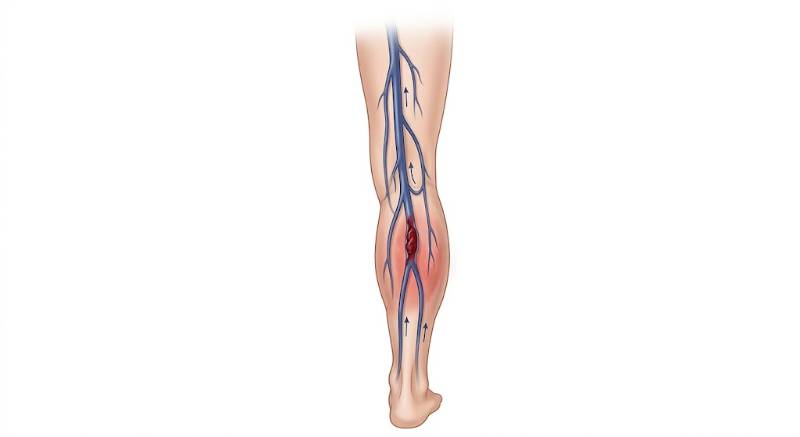
What is a leg blood clot?
A blood clot occurs when the blood changes from a liquid state into a semi-solid or clumped mass inside a vein. Normally, blood flows smoothly toward the heart, but when there is a problem in blood flow speed or in the condition of the blood vessels, blood begins to stagnate and accumulate. This process often starts in the calf or thigh and may develop until it completely blocks blood flow in that area.
Symptoms of a leg blood clot
The signs of a leg clot vary from person to person, and sometimes there may be no clear symptoms. However, important warning signs include:
- Visible swelling: Usually occurs in only one leg and is one of the most common symptoms.
- Pain and cramping: Often starts in the calf and feels like a muscle spasm or strain that does not improve with rest.
- Skin color changes: The skin may become red or dark bluish (a typical sign of a leg clot).
- Warmth in the leg: An unusual increase in temperature when touching the affected area compared to the healthy leg.
Symptoms of a left leg clot
There is no real difference between clots in the right or left leg. In the case of a left leg clot, you may feel heaviness in the leg accompanied by pain that becomes more noticeable when lifting the foot upward. You may also notice visible or hardened surface veins, which can indicate early clot formation.
Symptoms of leg blood clots in women
Symptoms are similar to those in men, but the risk increases with birth control pills, pregnancy, or the postpartum period. Symptoms may appear as sudden heaviness and swelling in the ankle or leg.
How do I recognize the beginning of a leg clot?
The early stage usually starts with mild pain similar to a muscle strain, but it does not improve with massage or topical creams and gradually gets worse over time.
Causes of leg blood clots
Several factors contribute to clot formation, most related to slowed blood flow or vessel damage:
- Prolonged inactivity: Long sitting periods (such as air travel) or bed rest after surgery reduce blood circulation.
- Surgery and injuries: Damage to veins during major surgery may trigger clot formation.
- Pregnancy and hormonal changes: Increased pressure on pelvic veins and higher blood viscosity during pregnancy can lead to symptoms.
- Postpartum period: After cesarean or natural birth, reduced movement and changes in clotting factors may cause clots.
Why do leg blood clots recur?
Recurrent clots may be due to inherited clotting disorders or chronic untreated conditions that continuously cause blood vessel inflammation.
Treatment of leg blood clots
After diagnosis via ultrasound, treatment begins immediately to prevent complications. The goal is to stop the clot from growing or traveling to the lungs. Treatment options include:
- Anticoagulant medications: The main treatment, given as injections or pills to thin the blood.
- Compression stockings: Help reduce swelling and prevent post-thrombotic syndrome, which causes chronic pain.
- Advanced procedures: In severe cases, doctors may dissolve the clot using catheter-based techniques.
Is walking helpful during a clot?
During the acute phase, walking or massaging the leg is not allowed until blood-thinning medication takes effect, to prevent the clot from moving to the lungs.
Is a right leg clot more dangerous than a left one?
There is no difference in danger between both sides. The key factor is rapid diagnosis to prevent the clot from reaching the lungs, which is the real life-threatening risk in both cases.
Prevention of leg blood clots
Prevention depends mainly on daily habits and lifestyle:
- Exercise regularly, such as walking for 30 minutes daily
- Avoid long periods of sitting or standing without movement
- Move your feet and elevate your legs periodically
- Drink enough water to maintain blood fluidity
- Avoid smoking
- Maintain a healthy weight
Never ignore sudden leg pain or swelling. Early medical intervention is crucial and can make the difference between full recovery and serious complications. Awareness of warning signs, staying active, and staying well-hydrated are key protective factors against deep vein thrombosis and maintaining healthy circulation.
If you still need medical advice, you can easily book an appointment through Vezeeta.
Related Keywords

Specialized Doctors



References
- https://my.clevelandclinic.org/health/diseases/16911-deep-vein-thrombosis-dvt
- https://www.mayoclinic.org/diseases-conditions/deep-vein-thrombosis/symptoms-causes/syc-20352557
- https://www.healthline.com/health/deep-venous-thrombosis
- https://www.google.com/search?q=https://www.webmd.com/dvt/deep-vein-thrombosis-symptoms-signs
- https://www.nhs.uk/conditions/deep-vein-thrombosis-dvt/
- https://medlineplus.gov/deepveinthrombosis.html
- https://www.google.com/search?q=https://www.webmd.com/dvt/dvt-treatment-tips
Specialized Doctors