What Is the Difference Between a Panic Attack and Anxiety? Can Panic Attacks Cause Death?
What Are the Symptoms of a Panic Attack?
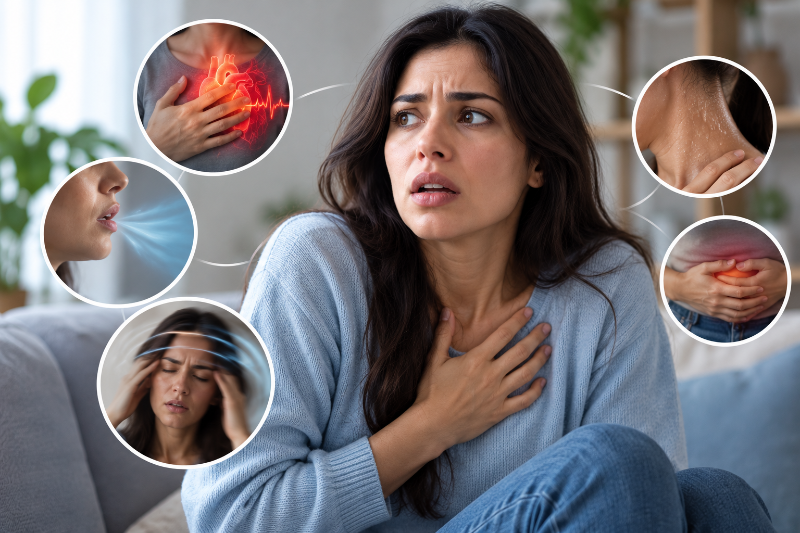
Panic attack symptoms appear suddenly and may occur without a clear warning. They usually reach their peak within minutes. They affect both the body and the emotional state, making the person feel in serious danger even when there is no obvious threat.
The main symptoms of a panic attack include:
- Heart palpitations: You may feel that your heartbeat is fast or forceful, and you may think you have a heart problem.
- Shortness of breath: You may have difficulty taking a deep breath or feel as though you are choking.
- Sweating and trembling: You may sweat noticeably or feel your hands and body shaking, along with chills or hot flashes.
- Dizziness: You may feel unsteady, lightheaded, or as though you are about to faint.
- Chest pain or discomfort: This symptom may increase your fear because it can resemble some symptoms of heart problems.
- Nausea and stomach problems: You may feel nauseated or have abdominal cramps.
- Intense fear: You may feel that you are about to die or lose control of yourself.
- Feeling detached from reality: You may feel that what is happening around you is unreal or that you are separated from your body.
Panic attack symptoms vary from one person to another, and not all symptoms need to appear during every attack. Although the symptoms often gradually improve, new chest pain, severe shortness of breath, or unusual symptoms require urgent medical assessment to rule out serious physical causes.
Do Panic Attacks Happen During Sleep?
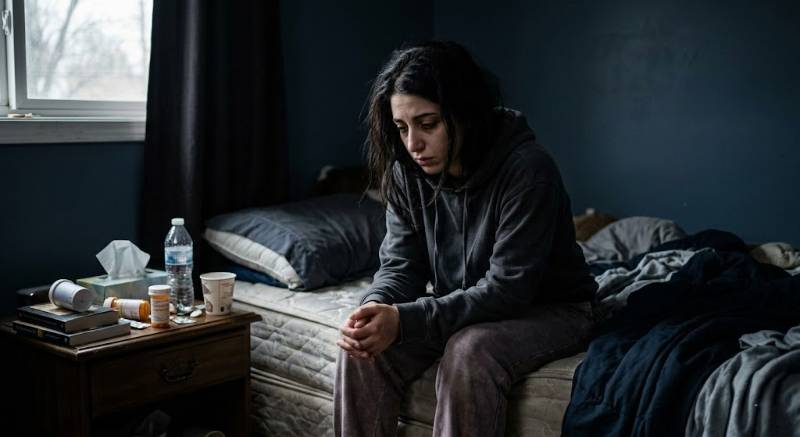
Yes. Nocturnal panic attacks can occur, causing a person to wake suddenly with a racing heart, sweating, shortness of breath, and intense fear. If this happens repeatedly, it is best to consult a doctor to check for other possible causes, such as sleep disorders or breathing problems.
What Causes Panic Attacks?
Panic attacks may result from a combination of psychological, biological, and environmental factors. There is no single explanation for every case. Sometimes an attack begins during psychological stress, while at other times it occurs without an identifiable cause.
Factors that may increase the likelihood of panic attacks include:
- Genetic factors: The risk may be higher if there is a family history of panic attacks or anxiety disorders.
- Severe life stress: Psychological trauma or long periods of stress may contribute to the onset of attacks.
- Changes in the body’s stress response: The body’s normal response to danger may become more sensitive, causing certain physical sensations to be interpreted as threats.
- Smoking and caffeine: Excessive caffeine intake or nicotine use may increase palpitations and tension in some people.
- Lack of sleep and exhaustion: Fatigue and poor sleep may make anxiety more difficult to manage.
- Certain health conditions: Thyroid disorders and some heart or breathing problems can resemble panic symptoms, so a doctor may need to rule them out.
One panic attack does not necessarily mean that a person has panic disorder. Diagnosis depends on the recurrence of attacks and the ongoing anxiety or changes in behavior and daily life that follow them.
What Is the Difference Between a Panic Attack and Ordinary Anxiety?
A panic attack usually begins suddenly. Fear intensifies quickly and is accompanied by clear physical symptoms. Ordinary anxiety is more often linked to a particular problem or situation and may last longer without reaching the intensity of a panic attack.
How Does a Person With Panic Attacks Feel?
The difficulties caused by panic attacks do not end after the few minutes that the attack lasts. Their effects may continue for days, especially when the person begins to fear having another attack.
The person may avoid going out alone, using public transportation, or visiting crowded places because of the fear of having an attack without anyone nearby to help. They may feel anxious before meetings or social events and continue monitoring their heartbeat and breathing for any sign of another attack.
Common feelings during and after panic attacks include:
- Fear of death: The person may interpret palpitations or chest pain as signs of a heart attack.
- Fear of losing control: The person may feel unable to control their thoughts or as though they are about to collapse.
- Worry about another attack: The possibility of another attack may become a constant source of stress.
- Avoiding daily situations: The person may stay away from places they believe were connected with the attack, affecting work and social relationships.
If this pattern continues and begins to affect your life, it is important to seek professional help instead of continuing to avoid situations that trigger fear. Avoidance may reduce anxiety temporarily, but it can strengthen fear over time.
How Can I Help Myself During a Panic Attack?
If you begin to experience panic attack symptoms, some steps may help you manage the fear and reduce the escalation of symptoms. These steps do not replace medical assessment when symptoms are new or severe. Long-term treatment may also require specialized psychological support.
- Regulate your breathing calmly
Fear may cause you to breathe quickly, which can increase dizziness and the feeling of choking. Try to sit in a safe place. Breathe in gently through your nose, then breathe out slowly without forcing yourself to take extremely deep breaths.
Continue breathing at a comfortable pace. Avoid holding your breath or breathing into a paper bag.
2. Direct your attention to your surroundings
Instead of constantly focusing on your heartbeat or frightening thoughts, try to notice the things around you. You can name five things you see, four things you can feel, and three sounds you can hear.
This technique helps redirect your attention to the present moment and may reduce feelings of unreality or preoccupation with symptoms.
3. Remind yourself that fear does not necessarily mean danger
You can repeat calming statements such as: “I feel afraid right now, but feeling afraid does not necessarily mean that I am in danger.” This may help you avoid treating every physical sensation as evidence that a catastrophe is happening.
However, do not assume that all symptoms are caused by panic, especially if they are new or different from previous attacks.
4. Ask someone you trust for support
If you are in a public place or are finding it difficult to manage the attack alone, tell someone you trust what you are experiencing. Ask them to stay with you in a safe place until the symptoms ease.
5. Seek psychotherapy if attacks continue
If you have repeated panic attacks or constantly fear having one, psychotherapy may help you understand the causes of the fear and manage the symptoms more effectively. Asking for help does not mean that you are weak or unable to control yourself. It is a practical step toward returning to your daily life.
What Are the Best Treatments for Panic Attacks?
Treatment depends on the severity and frequency of the symptoms and how much they affect daily life. Treatment usually includes psychotherapy and may include medicines prescribed by a doctor when needed.
Cognitive Behavioral Therapy
Cognitive behavioral therapy is an effective treatment for panic attacks and panic disorder. It helps you identify thoughts that increase fear, understand the relationship between physical sensations and how you interpret them, and learn calmer responses.
Treatment may include gradual and safe exposure to sensations or situations that you fear. This is done according to a plan prepared by the therapist to reduce fear instead of avoiding it continuously.
Treating Panic Attacks With Medication
A doctor may prescribe medicines to reduce the frequency and severity of panic attacks. Options may include some antidepressants, such as selective serotonin reuptake inhibitors (SSRIs).
The doctor may choose another medicine depending on your health condition, symptoms, and other medicines you take. Some of these medicines may take several weeks to work. You should not stop taking them or change the dose without consulting your doctor.
Sedatives from the benzodiazepine group may be used in specific situations under medical supervision. However, they are not suitable for everyone because of the possibility of dependence and side effects.
Lifestyle Changes
Lifestyle changes are not a substitute for treatment when treatment is needed, but they may improve your ability to manage stress and reduce factors that worsen symptoms.
Helpful steps include:
- Keeping a regular sleep schedule and getting enough rest.
- Exercising regularly according to your physical ability.
- Reducing caffeine if you notice that it increases palpitations or anxiety.
- Avoiding smoking and nicotine, and staying away from drugs and non-prescribed stimulants.
- Learning relaxation skills and ways to manage daily stress.
Is Panic a Mental or Cognitive Illness?
Panic attacks are related to anxiety. They may occur alone or as part of panic disorder. Having panic attacks does not mean that a person is losing their mind or necessarily has a psychotic disorder.
Panic disorder is diagnosed when attacks occur repeatedly and unexpectedly, followed by ongoing worry about having another attack or a significant change in behavior because of fear of the attacks, according to medical diagnostic criteria.
Panic attacks and panic disorder can be treated. Many people can achieve significant improvement and return to their daily activities with appropriate treatment.
How Can You Stop a Panic Attack Immediately?
There is no method that guarantees stopping a panic attack immediately. However, you can sit in a safe place, breathe calmly, focus your attention on the things around you, and remind yourself that intense fear does not necessarily mean danger. If the symptoms are new or severe, seek urgent medical assessment.
Can Panic Attacks Cause Death?
A panic attack itself is not usually fatal, but some of its symptoms resemble those of serious medical conditions, such as a heart attack. Do not ignore new chest pain, severe shortness of breath, or fainting. Seek medical help when these symptoms occur.
Can Panic Attacks Be Completely Cured?
Many people can stop having panic attacks or greatly reduce their frequency and severity through cognitive behavioral therapy, medication when needed, and learning anxiety-management skills. Results vary from person to person, and some people may need ongoing follow-up to prevent symptoms from returning.
In Closing, Panic attacks can make simple daily activities feel frightening, especially when you become preoccupied with the possibility of another attack or begin avoiding places and situations that were once familiar. Understanding the symptoms and causes of panic attacks is the first step toward managing them correctly. Calm breathing and lifestyle changes may help you face an attack, while psychotherapy and medication when needed may reduce the frequency of attacks and help restore your sense of safety. If the attacks continue or affect your work and relationships, consult a mental health professional to develop a treatment plan that meets your needs.
If you still need a doctor’s consultation regarding this condition, you can easily book an appointment through Vezeeta.
Related Keywords




References
https://www.mayoclinic.org/diseases-conditions/panic-attacks/symptoms-causes/syc-20376021
https://www.mayoclinic.org/diseases-conditions/panic-attacks/diagnosis-treatment/drc-20376027
https://www.nhs.uk/mental-health/conditions/panic-disorder/
https://www.medlineplus.gov/panicdisorder.html
https://my.clevelandclinic.org/health/diseases/4451-panic-attack-panic-disorder
https://www.mayoclinic.org/diseases-conditions/panic-attacks/expert-answers/panic-attacks/faq-20057984?p=1