Depression in Women: When Does Sadness Need Treatment?
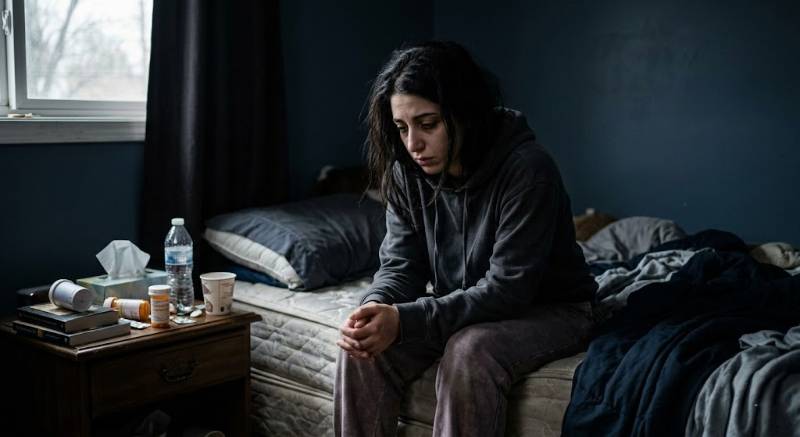
What Is Depression?
Depression is a serious mood disorder that causes persistent feelings of sadness, hopelessness, and a loss of interest in activities that were once enjoyable. It is not a sign of personal weakness or a lack of willpower; rather, it is a medical condition caused by chemical imbalances in the brain that affect how a person feels, thinks, and functions in daily life.
People with depression may struggle to perform even simple tasks and may sometimes feel that life is not worth living, which makes professional intervention essential.
What Are the Symptoms of Depression?
Depression symptoms vary widely from one person to another, but they typically persist for more than two weeks.
Psychological symptoms include:
- Persistent sadness
- Crying without a clear reason
- Feelings of emptiness or numbness
- Irritability or anger over minor issues
Physical symptoms of depression may include:
- Unexplained back or muscle pain
- Chronic headaches
- Severe sleep disturbances (insomnia or excessive sleeping)
- Noticeable changes in appetite and body weight
Signs of Depression in Women
Women experience unique psychological and physical challenges that often make depression symptoms more closely linked to hormonal changes across different life stages. These symptoms may appear as:
- Intense and unexplained mood swings
- Constant fatigue and exhaustion, even without physical effort
- Loss of interest or pleasure in activities that once brought satisfaction
These symptoms often overlap with daily stress, family responsibilities, and social pressures, making early detection more difficult. Women may also experience more pronounced sleep and appetite disturbances compared to men with similar depressive conditions.
Postpartum Depression
Postpartum depression is a serious medical condition that goes far beyond the temporary “baby blues” experienced by many new mothers. It is characterized by deep sadness, severe anxiety, and overwhelming fatigue that can make it difficult for a mother to care for herself or her baby.
This condition usually occurs due to a sharp drop in hormone levels after childbirth and requires prompt medical attention to ensure the well-being of both mother and child and to support healthy emotional bonding.
Depression During Pregnancy
Depression during pregnancy can occur as a result of hormonal fluctuations combined with chemical changes in the brain. Pregnant women may experience persistent hopelessness or irrational fears about the future, which can negatively affect lifestyle habits and nutrition.
Early diagnosis is crucial, as untreated depression during pregnancy may impact fetal health and significantly increase the risk of postpartum depression later on.
Depression Test: When Should You See a Doctor?
Taking a clinically validated depression screening test (such as the PHQ-9) can be a helpful first step in assessing symptom severity. If your results indicate moderate to severe depression—or if negative emotions persist for more than two consecutive weeks—it is important to seek professional help.
You should not delay consultation if symptoms begin to interfere with work performance, daily functioning, or social relationships.
When Does Depression End?
Many patients wonder whether depression can be cured permanently. The truth is that recovery time varies depending on the severity of the condition and adherence to the treatment plan.
In mild or situational depression, symptoms may improve within a few months with appropriate care. However, some individuals—especially those with chronic depression—may require long-term management to prevent relapse. Ongoing treatment helps stabilize brain chemistry and maintain emotional balance.
How Can I Help Myself Recover from Depression?
Although depression requires medical supervision, there are supportive steps you can take to aid recovery. Regular physical activity helps stimulate “feel-good” hormones, while maintaining a balanced diet supports overall brain health.
Reducing stress, establishing consistent sleep routines, and avoiding social isolation by staying connected with friends or family are also important. Maintaining a simple daily routine can help restore a sense of control and stability.
What Is the Treatment for Depression?
The most effective treatment for depression typically combines psychotherapy and medication. Cognitive Behavioral Therapy (CBT) helps individuals identify and change negative thought patterns and behaviors.
Antidepressant medications, such as Selective Serotonin Reuptake Inhibitors (SSRIs), work by improving the balance of neurotransmitters in the brain. In severe cases, doctors may prescribe medications that address both depression and anxiety. Noticeable improvement usually appears after 4 to 8 weeks of consistent treatment.
What Is the Fastest Treatment for Depression?
There is no instant or “magic” cure for depression. However, the fastest path to improvement usually involves combining medication with psychotherapy.
While antidepressants help restore chemical balance in the brain, therapy enables patients to understand and reshape harmful thought patterns and behaviors. With commitment to treatment, many people begin to notice gradual improvement within weeks, which continues with regular follow-up.
Can Depression Go Away on Its Own?
In mild cases related to temporary stress or grief, symptoms may improve with time and emotional support. However, clinical depression rarely resolves on its own and may persist for months or even years without treatment. Ignoring symptoms often leads to worsening severity and more difficult recovery later.
Does Depression Affect Memory?
Yes, depression can significantly impair cognitive function. Common symptoms include:
- Difficulty concentrating
- Trouble making decisions
- Slowed thinking
- Forgetting simple daily details
These issues occur because depression affects brain areas responsible for memory and executive function. The good news is that cognitive symptoms often improve with effective treatment.
What Are the Risks of Leaving Depression Untreated?
Untreated depression can lead to serious consequences, including:
- Worsening physical health, chronic pain, sleep disorders, and weakened immunity
- Social withdrawal and loss of interest in life
- Decline in academic or work performance
- Increased risk of alcohol or substance abuse
- Higher likelihood of suicidal thoughts or attempts
Seeking medical and psychological help early is not a sign of weakness—it is a vital step toward protecting both mental and physical health and restoring quality of life.
Conclusion
Depression is a challenging journey that requires patience, understanding, and professional support. Acknowledging the condition and addressing its underlying biological or environmental causes is the key to emotional and physical recovery.
Remember, asking for help is not a weakness—it is a courageous step toward a more stable and fulfilling life.
If you still need to consult a doctor about this condition, you can easily book an appointment through Vezeeta.
Related Keywords






References
- https://my.clevelandclinic.org/health/diseases/9290-depression
- https://www.webmd.com/depression/guide/major-depression
- https://www.google.com/search?q=https://www.healthline.com/health/depression/physical-effects-on-the-body
- https://www.google.com/search?q=https://www.healthline.com/health/depression/how-long-does-depression-last
- https://www.womenshealth.gov/mental-health/mental-health-conditions/depression
- https://www.nimh.nih.gov/health/topics/bipolar-disorder
- https://www.google.com/search?q=https://www.mayoclinic.org/diseases-conditions/postpartum-depression/symptoms-causes/syc-20376661