Symptoms of Seasonal Depression and How It Differs from Regular Depression
What Is Seasonal Affective Disorder?
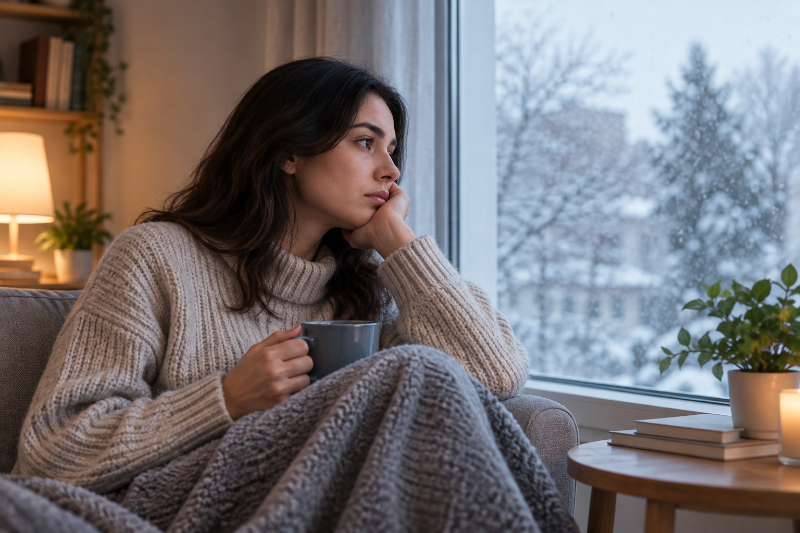
Imagine that a certain time of year has automatically become linked to a change in your mood. Every autumn, you begin to feel sluggish and lose energy. Your symptoms then become stronger during winter before gradually improving when spring returns.
This repeated pattern may be a sign of seasonal affective disorder (SAD), a type of depression linked to seasonal changes. It usually appears during autumn and winter and improves during the other seasons.
Winter depression is the most common form of seasonal affective disorder. However, some people may develop the condition during spring or summer. This is known as summer-pattern seasonal affective disorder.
The condition is not simply sadness caused by the weather. Changes in exposure to natural light may affect the body’s biological clock, sleep patterns, and some chemicals and hormones linked to mood.
What Are the Symptoms of Seasonal Affective Disorder?
At first, the signs may seem mild: sleeping more than usual, having less energy, and wanting to stay at home. Over time, however, they may begin to affect work, school, and social relationships.
The main signs of winter-pattern seasonal affective disorder include:
- Feeling sad or having a low mood most of the day.
- Losing interest in or pleasure from usual activities.
- Having low energy and feeling constantly tired.
- Sleeping for longer periods and having difficulty waking up in the morning.
- Increased appetite, especially cravings for sweets and carbohydrate-rich foods.
- Weight gain in some people.
- Difficulty concentrating or completing daily tasks.
- A tendency to isolate yourself and withdraw from others.
- Feelings of hopelessness or low self-esteem in some cases.
Can Depression Cause Shortness of Breath?
Yes. Anxiety that occurs alongside depression can cause physical symptoms such as shortness of breath or a rapid heartbeat. However, shortness of breath has many possible medical causes, so it should not automatically be assumed to result from depression without evaluating the cause.
What Is the Difference Between Regular Depression and Seasonal Affective Disorder?
Seasonal affective disorder follows a recurring pattern that coincides with a particular season. Non-seasonal depression may occur at any time and is not linked to seasonal changes.
However, the type of depression cannot be identified based on symptoms alone. Diagnosis requires a medical and psychological assessment.
Is Winter Depression More Common in Women?
Winter depression is diagnosed more often in women than in men. This may be linked to several interacting factors rather than one specific cause, including:
- Biological and hormonal differences that may affect mood.
- Hormonal changes during different stages of a woman’s life, which may coincide with changes in mood.
- Psychological and environmental factors that may affect the appearance or severity of symptoms.
- The recurrence of symptoms at the same time each year, which may suggest a seasonal pattern rather than a temporary mood change.
If you notice that depressive symptoms return during winter or are linked to other changes in your mood, it is best to consult a doctor to assess the symptoms and identify the appropriate cause and treatment.
How Is Seasonal Affective Disorder Treated?
When you notice the same symptoms returning every year, this does not mean that you have to wait until winter ends to feel better. A treatment plan can help reduce symptoms and improve your ability to carry out daily activities.
Treatment for winter-pattern seasonal affective disorder depends on the severity of the condition and its symptoms. It may include:
Light Therapy for Depression
Light therapy is one of the options used, especially for seasonal affective disorder linked to winter.
The treatment uses a specially designed medical light box that provides bright light simulating some features of natural light. It is usually used in the morning and according to a doctor’s instructions.
You should not use a random device or decide the treatment duration on your own, especially if you have certain eye conditions or take medicines that increase light sensitivity.
Cognitive Behavioral Therapy for Depression
Cognitive behavioral therapy (CBT) may help you identify negative thoughts and feelings linked to depression and deal with them more effectively.
It may also help you develop habits and strategies that reduce the effect of symptoms when they return during the following season.
Antidepressant Medicines
In some cases, a doctor may recommend antidepressants, especially when symptoms are severe or clearly affect daily life.
The doctor determines the medicine, dose, and treatment duration according to each person’s condition. You should not start or stop any medicine without medical advice.
Can Seasonal Affective Disorder Be Treated at Home?
Some simple lifestyle changes may help reduce mild symptoms of seasonal affective disorder, especially when combined with a daily routine that supports sleep, mood, and energy. Important steps include:
- Exposure to natural light: Go outside during daylight hours and benefit from sunlight as much as possible.
- Physical activity: Walk or exercise regularly to help improve energy and mood.
- A regular sleep schedule: Keep consistent times for sleeping and waking.
- Maintaining social contact: Avoid isolation and make time for family or friends.
- Following a balanced diet: Eat varied meals and avoid excessive amounts of sugar and carbohydrates.
- Doing enjoyable activities: Set aside time for hobbies and activities that help improve your psychological well-being.
If symptoms continue or begin to affect sleep, work, or relationships, you should not rely on these steps alone. It is best to consult a psychiatrist to assess the condition and determine the appropriate treatment.
When Should You Consult a Psychiatrist?
If you notice that symptoms of seasonal affective disorder return every year or begin to affect your daily life, it may be helpful to obtain a specialist assessment instead of dealing with them alone. A psychiatrist can help identify the cause of the symptoms and choose the most appropriate treatment. You can find the best psychiatrists and view available doctors and appointment times to book a consultation.
In closing, symptoms of seasonal affective disorder should not be considered merely a temporary mood change, especially when they return at the beginning of a particular season or affect your daily life. Early diagnosis and consultation with a doctor can help you choose the appropriate treatment and prevent the condition from worsening. If you notice a persistent change in your mood, sleep, or activity level, do not hesitate to seek professional help.
If you still need a doctor’s consultation regarding this condition, you can easily book an appointment through Vezeeta.
Related Keywords




References
https://www.nimh.nih.gov/health/publications/seasonal-affective-disorder
https://www.nhs.uk/mental-health/conditions/seasonal-affective-disorder-sad/
https://www.mayoclinic.org/diseases-conditions/seasonal-affective-disorder/symptoms-causes/syc-20364651
https://www.mayoclinic.org/diseases-conditions/seasonal-affective-disorder/diagnosis-treatment/drc-20364722
https://medlineplus.gov/seasonalaffectivedisorder.html
https://medlineplus.gov/ency/article/001532.htm