When is severe sadness dangerous? Broken heart syndrome explained
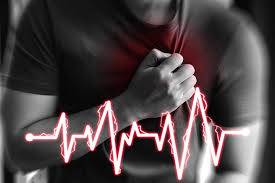
What is Broken Heart Syndrome?
Broken heart syndrome is medically known as stress-induced cardiomyopathy (Takotsubo cardiomyopathy). It is a heart condition that causes a sudden, temporary weakening of the heart muscle, specifically the left ventricle, which is responsible for pumping oxygen-rich blood to the rest of the body.
This weakening occurs as a result of a sudden surge of stress hormones, such as adrenaline, released by the adrenal glands in response to a traumatic emotional or physical event. This hormonal surge can cause changes in the heart muscle cells or the coronary blood vessels, leading to temporary heart muscle spasm or reduced blood flow. As a result, the heart chamber takes on a shape resembling a Japanese octopus trap (takotsubo), which is where the medical name comes from.
Difference Between Broken Heart Syndrome and a Heart Attack
Although the symptoms are similar, the key difference lies in the mechanism behind each condition.
In a heart attack, there is a blockage in the coronary arteries caused by a blood clot that prevents oxygen from reaching the heart muscle, which may cause permanent damage. In broken heart syndrome, however, the arteries are not blocked. Instead, part of the heart temporarily weakens due to a surge of stress hormones such as adrenaline in response to severe emotional or physical stress. This explains why recovery in broken heart syndrome is usually quick and complete within weeks, while a heart attack requires long-term treatment to protect the heart from damage.
What Are the Symptoms of Broken Heart Syndrome?
Symptoms appear suddenly and closely resemble those of a heart attack, including:
- Sudden, severe chest pain
- Shortness of breath
- Palpitations or irregular heartbeat
- Fainting in rare cases
If you experience these symptoms, they should be treated as a medical emergency. Only a doctor can distinguish between this syndrome and a heart attack through ECG and blood tests.
Can Severe Sadness Damage the Heart?
Yes. Severe sadness or intense emotional shocks (such as losing a loved one, divorce, or even major financial loss) can trigger this condition. In this case, the heart is not damaged due to blocked arteries, but rather due to the direct physiological effect of acute stress.
Common triggers include:
- Traumatic emotional events (loss of a partner, receiving bad news)
- Severe physical stress (major surgery, asthma attack, or painful accident)
Causes and Treatment of Broken Heart Syndrome
There is no single fixed cause, but it is closely linked to the body’s stress response system. Women are more likely to develop this condition than men, especially after menopause.
Treatment
Fortunately, most patients recover completely within days or weeks. Treatment includes:
- Medications: Doctors may prescribe standard heart medications such as beta-blockers or ACE inhibitors to reduce stress on the heart during recovery.
- Monitoring: Heart function is monitored using echocardiography to ensure the heart muscle regains its normal strength.
- Stress management: After recovery, patients are advised to learn stress management techniques to help prevent recurrence.
Can Broken Heart Syndrome Be Fatal?
In rare cases, it may cause serious complications such as heart failure or arrhythmias. However, it is generally treatable and fully reversible.
Does It Increase the Risk of a Future Heart Attack?
Current evidence does not suggest that it increases the risk of future heart attacks, but regular heart check-ups are still recommended.
How Can Broken Heart Syndrome Be Prevented?
Since it is usually triggered by acute stress, prevention focuses on improving the body’s ability to cope with emotional stress, engaging in regular exercise, and seeking psychological support during major life events.
Conclusion
Ultimately, awareness of broken heart syndrome is the first line of defense. Although the symptoms can be frightening and closely resemble a heart attack, understanding its temporary nature helps reduce associated anxiety. Remember that mental health care and stress management are just as important as regular medical check-ups—your heart deserves both protection and care.
If you still need to consult a doctor about this condition, you can easily book an appointment through Vezeeta.
Related Keywords


Specialized Doctors



References
https://my.clevelandclinic.org/health/diseases/17857-broken-heart-syndrome
https://www.health.harvard.edu/heart-health/takotsubo-cardiomyopathy-broken-heart-syndrome
https://www.heart.org/en/health-topics/cardiomyopathy/what-is-cardiomyopathy-in-adults/is-broken-heart-syndrome-real
https://pmc.ncbi.nlm.nih.gov/articles/PMC9821117/
https://mplsheart.org/tips/when-heartbreak-becomes-heart-condition
Specialized Doctors