Feeling stressed? Discover how stress silently affects your body
What Is Stress?
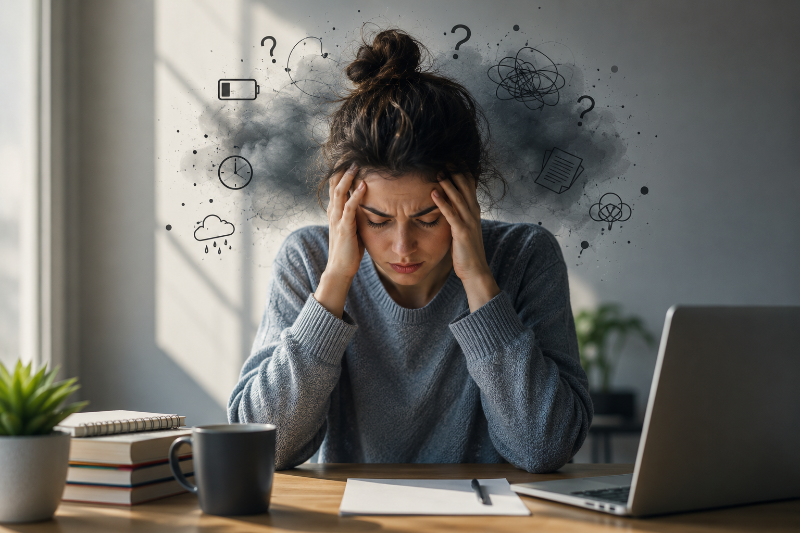
Stress is a natural physiological and psychological response triggered by the brain when facing challenges or threats that require adaptation or a quick reaction. When a person feels overwhelmed or under excessive pressure, the body’s emergency system immediately activates to help cope with the situation.
Medical studies indicate that stress itself is not a disease, but rather a defense mechanism that temporarily boosts focus and energy to face difficulties. However, this positive effect turns into a serious health problem when stress becomes chronic and continuous without proper ways to release or manage it.
What Happens to the Body During Stress?
When a person experiences stressful situations, the brain sends nerve signals that stimulate the adrenal glands to release stress hormones, mainly cortisol and adrenaline. These hormones cause immediate changes in body functions to prepare for the well-known “fight or flight” response.
These changes include a faster heart rate, increased blood flow to the major muscles, and widened airways to allow more oxygen into the body. At the same time, the body suppresses non-essential functions such as digestion and parts of the immune system, which explains why severe stress can cause stomach discomfort.
What Are the Symptoms of Stress?
Stress symptoms can appear in physical, behavioral, and cognitive forms. Their severity varies from one person to another depending on the intensity and duration of the stress.
Physical and Skin Symptoms of Stress
Continuous stress may lead to noticeable physical symptoms, such as:
- Persistent tension headaches
- Muscle pain and stiffness, especially in the neck and shoulders
- Sleep disturbances and insomnia
- Chronic fatigue despite minimal physical effort
One common effect is stress-related skin sensitivity. Stress can trigger the release of histamine, causing itching, irritation, rashes, acne flare-ups, or eczema.
Psychological and Behavioral Symptoms of Stress
These symptoms include:
- Mood swings
- Irritability and quick temper
- Constant anxiety and restlessness
- Social withdrawal
- Difficulty concentrating and making daily decisions
- Noticeable changes in appetite, either overeating or complete loss of appetite
Symptoms of Acute Stress
Acute stress differs from chronic stress because it results from a sudden traumatic event or emergency situation. Its symptoms appear intensely and immediately but usually last for only a few days or weeks.
Symptoms of acute stress include:
- Sudden panic attacks
- Feeling of choking or shortness of breath
- Rapid heartbeat
- Extreme difficulty calming down
A person may also experience intrusive thoughts related to the stressful event, excessive cold sweating, trembling in the limbs, and temporary difficulty communicating effectively with others.
Long-Term Effects of Stress
Ignoring stress and remaining under constant pressure can lead to serious long-term health effects and increase the risk of chronic diseases.
Persistently high cortisol levels weaken the immune system, making the body more vulnerable to viral and bacterial infections. Chronic stress can also increase blood pressure and raise the risk of heart disease and cardiovascular problems, in addition to digestive disorders such as irritable bowel syndrome (IBS) and stomach ulcers.
Stress Treatment and Management
Treating stress requires a comprehensive approach that combines lifestyle changes, healthy habits, and professional medical support when necessary to restore physical and psychological balance.
Behavioral and Medical Treatment for Stress
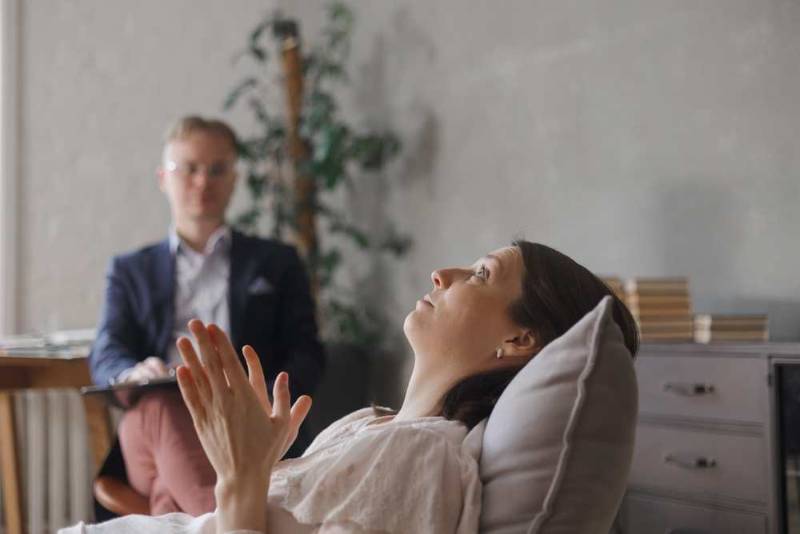
The main treatment often involves psychotherapy, especially cognitive behavioral therapy (CBT), which helps individuals restructure negative thoughts and develop healthier coping skills.
In more severe cases accompanied by intense anxiety or depression, a specialist may prescribe temporary medications to help regulate brain chemistry.
Ways to Relieve Stress
Self-care methods play an essential role in reducing daily stress, including:
- Exercising regularly, such as brisk walking or swimming, to stimulate endorphin release and improve mood
- Practicing deep breathing and progressive muscle relaxation techniques to lower adrenaline levels and calm the nervous system
- Organizing time effectively and setting clear priorities to avoid feeling overwhelmed
- Getting enough quality sleep and maintaining a balanced diet that helps reduce inflammation in the body
Conclusion
Stress is an unavoidable part of everyday life, but leaving it unmanaged can transform it from a temporary defense mechanism into a serious threat to overall health. Protecting the body from the harmful effects of chronic stress begins with recognizing warning signs, practicing relaxation techniques, maintaining a healthy lifestyle, and seeking professional medical support when needed to restore both physical and emotional balance.
If you still need medical advice regarding this condition, you can easily book an appointment through Vezeeta.
Related Keywords





References
- https://my.clevelandclinic.org/health/diseases/11874-stress
- https://www.who.int/news-room/questions-and-answers/item/stress
- https://www.nhs.uk/every-mind-matters/mental-health-issues/stress/
- https://www.health.harvard.edu/healthy-aging-and-longevity/understanding-the-stress-response
- https://www.cdc.gov/mental-health/living-with/index.html
- https://www.mayoclinic.org/healthy-lifestyle/stress-management/in-depth/stress/art-20046037