What Causes Fecal Incontinence? And Can It Be Treated Without Surgery?
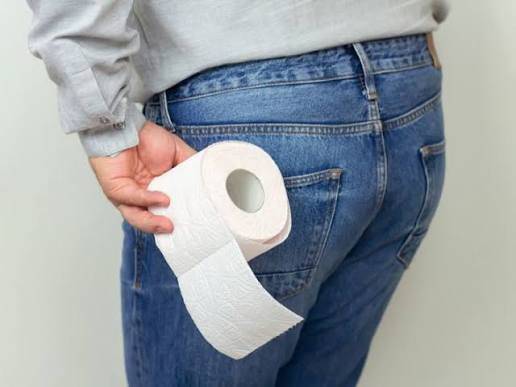
What Is Fecal Incontinence?
Fecal incontinence means losing control over the passage of gas or stool, whether that stool is liquid or solid. It can show up as small amounts of leakage, involuntary bowel movements, or simply not being able to make it to the bathroom fast enough.
This happens when the muscles and nerves responsible for bowel control aren't functioning properly, particularly the anal sphincter muscles and the pelvic floor muscles.
But how does the problem actually start? And why does it affect some people and not others?
What Causes Fecal Incontinence?
Think of bowel control as a coordinated system. It requires healthy nerves, strong muscles, a rectum that can store stool, and regular bowel movements.
When any one of these components is compromised, symptoms of fecal incontinence can develop.
The most common causes include:
- Weakness or damage to the anal sphincter muscles
- Nerve damage affecting sensation and control of bowel movements
- Chronic constipation and stool buildup inside the rectum
- Frequent or severe diarrhea
- Certain neurological conditions
- Complications from rectal or anal surgeries
- Pelvic injuries
- Muscle injuries sustained during vaginal delivery in some women
- Chronic diseases that can affect nerve function, such as diabetes
So there's no single cause that applies to everyone. That's exactly why getting a proper medical diagnosis matters before choosing a treatment path.
Is Fecal Incontinence Dangerous?
Fecal incontinence on its own isn't typically a life-threatening condition. But that doesn't mean you should brush it off.
Living with uncontrolled bowel leakage takes a real toll on daily life. People start skipping social events, avoiding travel, and pulling away from normal activities out of fear that an accident might happen. Over time, this can spiral into anxiety, embarrassment, and isolation.
Repeated skin exposure to stool can also cause irritation and infections.
And sometimes, fecal incontinence is a signal that something else is going on, like muscle or nerve damage. So it's a good idea to get evaluated, especially if the leakage is new or getting worse over time.
Does Mild Fecal Incontinence Need Treatment?
The leakage doesn't have to be severe to deserve attention.
Some people only notice difficulty controlling gas, or a small amount of stool escaping during a sneeze, a cough, or physical activity. These are all forms of mild fecal incontinence.
In some cases, the cause is minor pelvic floor muscle weakness or a change in stool consistency. Symptoms may improve by regulating bowel habits, adjusting the diet, and strengthening the pelvic muscles.
But if the symptoms persist or keep returning, it's time to talk to a doctor and figure out what's actually driving them.
How Is Fecal Incontinence Treated?
If you're looking into treatment options, you might expect a single straightforward fix. In reality, the approach varies from one person to the next.
The doctor starts by identifying the cause and how severe the symptoms are, then builds a plan that might include:
- Dietary changes: Adjusting what you eat can help control stool consistency and reduce diarrhea or constipation. Your doctor may recommend gradually increasing fiber intake in some cases, or cutting out foods and drinks that soften stool or speed up bowel movements.
- Scheduled bathroom visits: Training your bowels to move at regular, predictable times can reduce unexpected episodes and help some patients regain better control.
- Medications: Depending on the cause and overall health, a doctor may prescribe drugs that manage diarrhea or regulate stool consistency.
- Pelvic floor exercises: These are a key treatment option, especially when the underlying issue is weakness in the pelvic floor or sphincter muscles.
- Surgical interventions: If there's clear sphincter damage or conservative treatments aren't working, the doctor may discuss surgical or other advanced interventions tailored to the individual case.
Pelvic Floor Exercises for Fecal Incontinence
Some treatment journeys begin with something very simple: the muscles you use to hold in gas.
Pelvic floor exercises, including Kegel exercises, work by contracting and then releasing those muscles in a controlled, consistent routine.
The key isn't just doing the exercise. It's targeting the right muscles and training them correctly. That's why some patients benefit from guidance by a doctor or a pelvic floor physiotherapist.
With consistent practice, these exercises can improve muscle strength and bowel control in some cases.
Treatment in Women
For some women, the problem starts after vaginal delivery, particularly if there was an injury or tear in the perineal muscles and anal sphincter.
Symptoms don't always appear right away. They can surface years after childbirth.
Treatment depends on whether the cause is pelvic floor weakness, a sphincter injury, or another issue affecting bowel function.
Options may include:
- Pelvic floor exercises
- Specialized physiotherapy
- Biofeedback
- Bowel habit regulation
- Treating underlying constipation or diarrhea
- Surgical sphincter repair in selected cases
Treatment in Men
In men, fecal incontinence may be linked to prior anal or rectal surgery, nerve damage, or conditions that impair pelvic muscle control.
Treatment for men isn't limited to medication. It often involves regulating stool consistency, bowel training, and pelvic floor exercises combined with physiotherapy.
When other treatments don't produce results, the doctor may discuss advanced options such as sacral nerve stimulation, depending on the cause and overall condition.
Treatment After Anal Fissure Surgery
Some patients notice changes in their ability to control gas or stool after certain anal surgeries.
How likely this is depends on the type of procedure, how much the sphincter was affected, and the patient's condition before surgery.
If fecal incontinence develops after anal fissure surgery or persists beyond the recovery period, it's important to follow up with the surgeon. Getting the sphincter assessed and identifying the cause of symptoms is better than assuming they'll resolve on their own.
Treatment can be as simple as regulating stool consistency and doing pelvic floor exercises in some cases. Others may need a more detailed evaluation.
When Should You See a Doctor?
The question most people wrestle with is: does this warrant a doctor visit, or can I wait it out?
You should consult a doctor if you experience:
- Recurring leakage of gas or stool
- Inability to reach the bathroom in time
- Bowel movements happening without any warning sensation
- A new, persistent change in bowel control
- Symptoms that started after surgery or childbirth
- Bleeding, pain, or other symptoms alongside the leakage
Your doctor may need to perform a physical exam and possibly some specialized tests, such as anorectal manometry or an endoanal ultrasound, depending on your situation.
Fecal incontinence is a problem that can be managed, and experiencing symptoms doesn't mean you're stuck with them permanently. Identifying the cause accurately opens the door to the right treatment, whether that's lifestyle changes and pelvic floor exercises or specialized medical interventions. If the symptoms are ongoing or affecting your daily life, don't hesitate to see a doctor for a proper diagnosis and treatment plan.
If you still need a doctor’s consultation regarding this condition, you can easily book an appointment through Vezeeta.
Related Keywords


Specialized Doctors

Andre atef Saweras
consultant of Gastrointestinal Diseases, Liver Diseases, Endoscopy, and Infectious Diseases - Faculty of Medicine (Kasr El Aini).

Ahmed Almarakby
Consultant in internal medicine, digestive system, liver and endoscopy

Ahmed Amer Afifi
Consultant of Gastroenterology , Endoscopy And Hepatology Faculty of medicine Al Azhar University
References
https://www.mayoclinic.org/diseases-conditions/fecal-incontinence/symptoms-causes/syc-20351397
https://www.mayoclinic.org/diseases-conditions/fecal-incontinence/diagnosis-treatment/drc-20351403
https://my.clevelandclinic.org/health/diseases/14574-fecal-bowel-incontinence
https://www.ncbi.nlm.nih.gov/books/NBK459128/
https://www.nhs.uk/conditions/bowel-incontinence/
Specialized Doctors
Andre atef Saweras
consultant of Gastrointestinal Diseases, Liver Diseases, Endoscopy, and Infectious Diseases - Faculty of Medicine (Kasr El Aini).
Ahmed Almarakby
Consultant in internal medicine, digestive system, liver and endoscopy
Ahmed Amer Afifi
Consultant of Gastroenterology , Endoscopy And Hepatology Faculty of medicine Al Azhar University