Normal vs. harmful cholesterol – how to control it early.
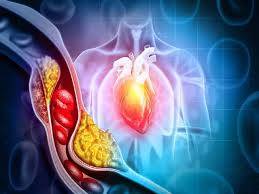
cells and produce hormones. The problem begins when its levels exceed the normal range in the blood. This silent increase causes no obvious pain at first but gradually accumulates in the arteries, obstructing blood flow. Understanding the nature of these fats and how to control them is therefore essential to prevent heart attacks and strokes, which can threaten life without warning.
What is normal and harmful cholesterol, and what is the difference between HDL and LDL?
Cholesterol does not travel through the blood on its own; it requires carrier proteins called lipoproteins. There are two main types that determine your health status. LDL is known as “bad cholesterol” because it deposits on artery walls, causing narrowing and hardening, while HDL is the “good cholesterol” because it acts like a broom, collecting excess cholesterol and returning it to the liver for disposal. Ideal readings are: total cholesterol below 200 mg/dL and LDL below 100 mg/dL.
What are the symptoms of high cholesterol, and can it appear without symptoms?
Cholesterol is often called the “silent killer” because high levels usually cause no immediate symptoms noticeable in daily life. In most cases, the problem is discovered only during routine blood tests or after serious complications arise. However, in advanced or hereditary cases, signs may appear, such as yellowish fatty deposits around the eyes (xanthelasma) or chest pain from narrowed arteries, requiring urgent medical attention.
Symptoms of high cholesterol and triglycerides in women
Symptoms are generally similar to men, but after menopause, LDL levels tend to rise due to hormonal changes. Women may experience unexplained fatigue or shortness of breath, signaling the need for immediate heart and lipid evaluation.
Causes of high cholesterol in young people, and is it hereditary?
High cholesterol is no longer limited to older adults. Rates among young people have risen due to reliance on fast food, obesity, and lack of physical activity. Genetics also play a key role in familial hypercholesterolemia, a hereditary condition in which the liver cannot efficiently remove harmful fats, making early family screening essential.
How is cholesterol testing done, and how to read the results?
The test is called a lipid panel and requires fasting for 9–12 hours before drawing blood. When reading the results, check LDL (should be low), HDL (preferably high), and triglycerides (should be below 150 mg/dL).
Foods that raise or lower cholesterol
Diet is the primary driver of blood fat levels. Foods to avoid for high cholesterol include:
- Processed meats
- Butter
- Fried foods rich in trans fats
Foods that help lower cholesterol include:
- Oats
- Fatty fish rich in omega-3
- Raw nuts
Replacing saturated fats with extra virgin olive oil significantly improves cholesterol readings when combined with a balanced, fiber-rich diet.
When medication is needed and how to lower cholesterol quickly
If dietary changes alone do not reach target levels, doctors may prescribe cholesterol-lowering medications such as statins, which prevent the liver from producing excess cholesterol. The fastest way to lower cholesterol is a combination of prescribed medication and daily exercise for 30 minutes. The decision to start medication depends on a doctor’s assessment of overall risk, including age, family history, or diabetes.
Are there drinks that eliminate cholesterol?
No drink can completely eliminate cholesterol, but green tea and fiber-rich drinks (like psyllium husk) help reduce absorption. Drinking enough water also supports bodily functions, but these are supplementary measures alongside medical treatment and a proper diet.
Best treatment for cholesterol and triglycerides
The most effective approach is a comprehensive lifestyle change: reduce sugars (for triglycerides) and saturated fats (for cholesterol), engage in brisk walking, and adhere to prescribed medications if deemed necessary by a doctor based on lab tests.
Ultimately, awareness of your blood fat levels is your first line of defense to protect your heart and arteries from the long-term risks of high cholesterol. Controlling these fats is not a lost battle—it is a journey that starts with simple changes in daily habits and diet, ending with a more energetic, capable body. Regular check-ups are the only way to detect what the “silent killer” hides, so always consult your doctor and follow their advice carefully to ensure a safe, healthy future for you and your family.
If you still need a doctor’s consultation regarding this condition, you can easily book an appointment through Vezeeta.
Related Keywords
Specialized Doctors



References
- https://www.mayoclinic.org/diseases-conditions/high-blood-cholesterol/symptoms-causes/syc-20350800
- https://my.clevelandclinic.org/health/articles/11920-cholesterol-numbers-what-do-they-mean
- https://www.healthline.com/health/high-cholesterol/symptoms
- https://www.webmd.com/cholesterol-management/high-cholesterol-symptoms-signs
- https://www.heart.org/en/health-topics/cholesterol/causes-of-high-cholesterol
- https://www.medicalnewstoday.com/articles/cholesterol-medication
Specialized Doctors