What Are the Warning Signs of a High Risk Pregnancy?
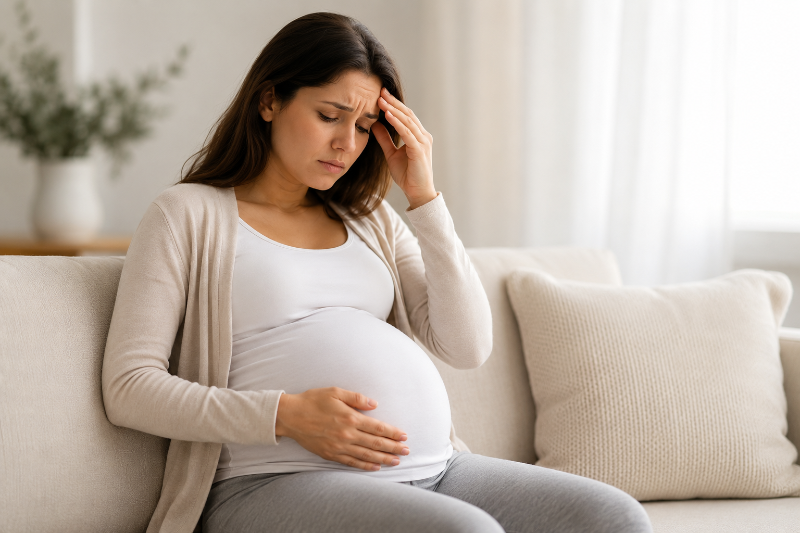
What Is a High Risk Pregnancy?
A high risk pregnancy is a pregnancy in which certain factors increase the likelihood of health complications for the mother, the baby, or both, compared with a typical pregnancy. Being diagnosed with a high risk pregnancy does not necessarily mean that complications will occur. Instead, it means that closer prenatal care, regular monitoring, and specialized medical supervision are essential to help ensure the best possible outcome for both mother and baby.
Types of High Risk Pregnancy
A pregnancy may be considered high risk due to medical conditions that exist before pregnancy or complications that develop during pregnancy. The most common causes include:
- Pre existing health conditions: Chronic medical conditions such as high blood pressure, diabetes, kidney disease, or heart disease can increase the risk of pregnancy complications and often require specialized prenatal care.
- Pregnancy related complications: Conditions that develop during pregnancy, including preeclampsia, gestational diabetes, or placental disorders, require close medical monitoring to protect the health of both the mother and the baby.
- Multiple pregnancy: Carrying twins, triplets, or more places additional physical demands on the mother's body and increases the risk of pregnancy complications compared with a singleton pregnancy.
High Risk Pregnancy by Maternal Age
A mother's age is an important factor in determining the level of pregnancy risk. The likelihood of complications, including preterm birth and pregnancy related high blood pressure, increases when the expectant mother is younger than 17 years or older than 35 years.
What Are the Warning Signs of a High Risk Pregnancy That Require Immediate Medical Attention?
Certain high risk pregnancy symptoms should never be ignored, as they may indicate a serious condition affecting the health of the mother, the baby, or both. These warning signs can occur at different stages of pregnancy, including the first trimester and the later months.
Warning Signs During Early Pregnancy
The following symptoms during the first trimester require prompt medical evaluation:
- Heavy vaginal bleeding: Bleeding that is more than light spotting, especially when accompanied by severe pain in the lower abdomen or lower back.
- Severe lower abdominal pain: Pain that is concentrated on one side may be a sign of an ectopic pregnancy and requires immediate medical attention.
- Persistent, excessive vomiting: Frequent vomiting that prevents you from keeping food or fluids down, increasing the risk of dehydration and electrolyte imbalance.
Warning Signs During Late Pregnancy
Serious symptoms can also develop during the later stages of pregnancy. Seek medical care immediately if you experience:
- Sudden swelling of the face, hands, or around the eyes, particularly when associated with high blood pressure.
- Sudden vision changes, including blurred vision or visual disturbances.
- Noticeably reduced or absent fetal movement.
- A severe, persistent headache that does not improve with rest.
- Fever and chills, which may indicate an infection requiring prompt diagnosis and treatment.
How Can You Tell the Difference Between Normal and Reduced Fetal Movement?
Fetal movements usually become noticeable between 18 and 22 weeks of pregnancy. To monitor your baby's movements, lie on your left side and count the kicks. If you notice fewer than 10 fetal movements within two hours, contact your healthcare provider immediately, as reduced fetal movement may indicate that your baby needs urgent medical evaluation.
What Causes a High Risk Pregnancy?
Several medical conditions and lifestyle factors can increase the risk of pregnancy complications. The most common causes include:
- Chronic medical conditions: High blood pressure, diabetes, thyroid disorders, heart disease, and kidney disease, especially if they are not well controlled.
- Lifestyle and environmental factors: Smoking, exposure to harmful chemicals, poor nutrition, or other unhealthy lifestyle habits.
- Previous medical or surgical history: Prior uterine surgery or multiple cesarean deliveries may increase the risk of certain pregnancy complications.
When Does a Pregnancy Become Secure in the Uterus?
A pregnancy becomes established once the fertilized egg successfully implants into the uterine lining. The risk of miscarriage decreases significantly after 12 weeks of pregnancy, when the placenta is fully developed and takes over the vital role of supplying the baby with oxygen and nutrients.
What Are the Signs That a Pregnancy Is Progressing Normally?
Common signs that a pregnancy is developing as expected include:
- A gradual reduction in morning sickness during the second trimester.
- A strong, regular fetal heartbeat detected during routine ultrasound examinations.
- Steady abdominal growth that matches the baby's gestational age.
Is Pregnancy More Stable After the Third Month?
Yes. Once the first trimester has passed successfully, the risk of miscarriage drops by more than 90%, making this an important milestone in pregnancy. However, regular prenatal checkups remain essential throughout pregnancy.
Which Month Is the Most Critical During Pregnancy?
The first and second months of pregnancy, covering the first eight weeks, are considered the most critical period. During this stage, the baby's major organs begin to form, making fetal development especially vulnerable to hormonal imbalances, certain medications, infections, and harmful environmental exposures.
When Should You See an Obstetrician Immediately?
Seek emergency medical care or contact your obstetrician without delay if you experience:
- A sudden gush or continuous leakage of clear fluid from the vagina, which may indicate premature rupture of the membranes.
- Regular, painful uterine contractions before 37 weeks, which may be a sign of preterm labor.
- A fever above 38°C (100.4°F) without an obvious cause.
- Shortness of breath, chest pain, or a rapid heartbeat.
How Can You Reduce the Risk of Pregnancy Complications?
You can help protect yourself and your baby by following these preventive measures:
- Attend all scheduled prenatal appointments, blood tests, and ultrasound scans.
- Take prescribed prenatal vitamins and supplements consistently, especially folic acid and iron.
- Avoid taking any medications, herbal supplements, or over the counter products without your healthcare provider's approval.
Recognizing the warning signs of a high risk pregnancy and seeking medical attention promptly can help detect complications early and improve outcomes for both mother and baby. Regular prenatal care, healthy lifestyle habits, and immediate evaluation of concerning symptoms are key to supporting a safe and healthy pregnancy.
If you still need a doctor’s consultation regarding this condition, you can easily book an appointment through Vezeeta.
Related Keywords



References
https://www.acog.org/womens-health/experts-and-stories/the-latest/so-you-have-a-high-risk-pregnancy-heres-what-to-expect
https://www.mayoclinic.org/healthy-lifestyle/pregnancy-week-by-week/in-depth/high-risk-pregnancy/art-20047012
https://my.clevelandclinic.org/health/diseases/22190-high-risk-pregnancy
https://www.cdc.gov/maternal-infant-health/pregnancy-complications/index.html
https://www.healthline.com/health/high-risk-pregnancy