Preeclampsia (Pre-Eclampsia) – Pregnancy Toxemia
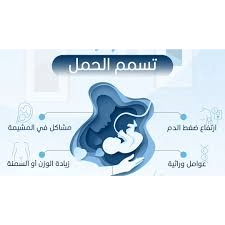
Pregnancy is a beautiful journey, but it also comes with health challenges that require careful attention. One of the most serious conditions a pregnant woman may face is toxemia of pregnancy, more commonly known as preeclampsia. It usually develops after the 20th week of pregnancy and, if left untreated, can put both the mother and baby at serious risk. Early detection, regular checkups, and medical management play a vital role in ensuring a safe outcome.
What Is Toxemia of Pregnancy (Preeclampsia)?
Preeclampsia is a pregnancy-related condition marked by high blood pressure and signs of damage to other organs, most often the liver and kidneys. It can range from mild to severe and may develop without any noticeable symptoms.
Causes and Risk Factors
While the exact cause of preeclampsia is not fully understood, it is believed to be linked to problems with the placenta. Risk factors include:
- First-time pregnancy
- Multiple pregnancies (twins or more)
- A history of preeclampsia
- Chronic hypertension or kidney disease
- Obesity
- Maternal age over 35
Common Symptoms
Symptoms of preeclampsia can vary but may include:
- Persistent high blood pressure
- Swelling in the face, hands, or feet
- Severe headaches
- Vision problems (blurred vision or sensitivity to light)
- Upper abdominal pain
- Nausea or vomiting
- Decreased urine output
Diagnosis
Preeclampsia is diagnosed through:
- Blood pressure monitoring
- Urine tests for protein
- Blood tests to check liver and kidney function
- Ultrasound to assess baby’s growth
Complications
If not treated, preeclampsia can lead to:
- Eclampsia (seizures)
- HELLP syndrome (a life-threatening liver and blood clotting disorder)
- Placental abruption
- Premature birth
- Risk to mother’s life
Treatment Options
Treatment depends on the severity and the stage of pregnancy:
- Mild cases may be managed with bed rest, blood pressure medications, and regular monitoring.
- Severe cases may require hospitalization or early delivery to protect the mother and baby.
- Magnesium sulfate may be administered to prevent seizures.
Prevention Tips
While preeclampsia cannot always be prevented, the following steps may reduce the risk:
- Attend all prenatal checkups
- Monitor blood pressure regularly
- Maintain a healthy weight
- Follow a balanced diet
- Take prenatal vitamins and medications as prescribed
Conclusion
Toxemia of pregnancy is a serious but manageable condition if detected early. With proper prenatal care, lifestyle adjustments, and medical support, most women with preeclampsia go on to have healthy pregnancies and deliveries. Always communicate openly with your doctor about any unusual symptoms during pregnancy.
If you still need to consult a doctor regarding this condition, you can easily book an appointment through Vezeeta
Related Keywords



References
Mayo Clinic – Preeclampsia
https://www.mayoclinic.org/diseases-conditions/preeclampsia
Centers for Disease Control and Prevention (CDC) – High Blood Pressure During Pregnancy
https://www.cdc.gov/bloodpressure/pregnancy.htm
American College of Obstetricians and Gynecologists (ACOG) – Preeclampsia and High Blood Pressure During Pregnancy
https://www.acog.org/womens-health/faqs/preeclampsia-and-high-blood-pressure-during-pregnancy
World Health Organization (WHO) – Maternal and Perinatal Health
https://www.who.int/news-room/fact-sheets/detail/maternal-mortality