

Can You Get Pregnant with Premature Ovarian Insufficiency (POI)?
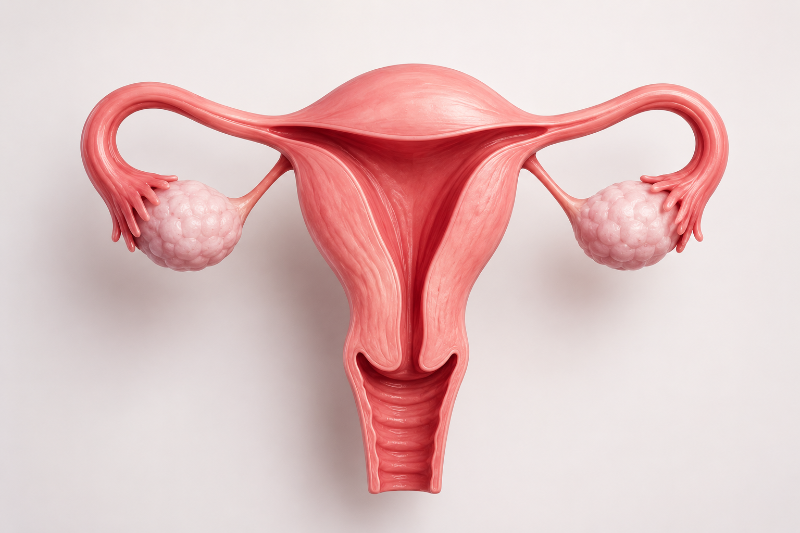
What Is Premature Ovarian Insufficiency (POI)?
Premature Ovarian Insufficiency (POI) is a condition in which the ovaries lose their normal ability to produce eggs and secrete adequate amounts of estrogen before the age of 40. Under normal circumstances, women are born with a finite number of eggs that gradually decline over time. In POI, however, ovarian function decreases much earlier than expected, either intermittently or permanently, resulting in reduced fertility and hormonal changes.
What Are the Symptoms of Premature Ovarian Insufficiency?
The symptoms of POI are similar to those experienced during the transition to natural menopause and are primarily caused by low estrogen levels. Common signs and symptoms include:
- Missed or irregular menstrual periods lasting for several months.
- Sudden hot flashes and night sweats.
- Vaginal dryness and pain during sexual intercourse.
- Mood changes, difficulty concentrating, and persistent sleep disturbances.
What Causes Premature Ovarian Insufficiency?
In many cases, the exact cause of premature ovarian insufficiency cannot be identified, and the condition is classified as idiopathic. However, several well-established factors are known to damage ovarian tissue, including:
- Genetic disorders: Such as Fragile X syndrome and Turner syndrome.
- Autoimmune diseases: In which the immune system mistakenly attacks ovarian tissue, leading to damage of the ovarian follicles.
- Cancer treatments: Including chemotherapy and radiation therapy, which can impair ovarian function.
- Environmental toxins: Such as long-term cigarette smoking and exposure to harmful chemicals.
Is Premature Menopause the Same as Premature Ovarian Insufficiency?
No. Although the two conditions share similar symptoms, they are medically distinct.
In premature menopause, menstrual periods stop permanently because the ovaries have completely exhausted their supply of eggs, making natural pregnancy no longer possible.
In contrast, premature ovarian insufficiency (POI) is characterized by unpredictable and fluctuating ovarian function. Menstrual periods may come and go irregularly, and although fertility is significantly reduced, spontaneous ovulation and natural pregnancy can still occur in some women.
Can You Get Pregnant with Premature Ovarian Insufficiency (POI)?
A diagnosis of Premature Ovarian Insufficiency (POI) can understandably raise concerns about fertility, but it does not necessarily mean that pregnancy is impossible. Research suggests that approximately 5% to 10% of women with POI may conceive naturally due to occasional or unpredictable ovulation.
If natural conception does not occur, several fertility treatment options may be available, including assisted reproductive technologies (ART). The most appropriate treatment depends on the individual's ovarian function, overall health, and reproductive goals, so consultation with a fertility specialist is essential to determine the best approach.
Can Premature Ovarian Insufficiency Be Treated?
Currently, there is no treatment that can permanently restore normal ovarian function or replenish the depleted egg reserve in women with Premature Ovarian Insufficiency (POI). Instead, treatment focuses on replacing the hormones that the ovaries no longer produce adequately. This approach helps relieve symptoms, protect bone and cardiovascular health, and reduce the long-term complications associated with estrogen deficiency.
Treatment for Premature Ovarian Insufficiency
Treatment for POI typically involves a combination of therapies aimed at improving quality of life and maintaining overall health. The main treatment options include:
Hormone Replacement Therapy (HRT)
Hormone replacement therapy is the cornerstone of POI management. It usually includes a combination of estrogen and progesterone to replace deficient hormones while protecting the uterine lining. HRT can significantly reduce symptoms such as hot flashes and vaginal dryness and helps lower the risk of osteoporosis and other complications related to estrogen deficiency.
Calcium and Vitamin D
Calcium and vitamin D supplements are commonly recommended to support bone health and maintain bone mineral density, helping reduce the risk of osteoporosis caused by low estrogen levels.
Is Contraception Necessary for Women with Premature Ovarian Insufficiency?
Yes, in some cases. Because women with POI may still ovulate occasionally and unpredictably, spontaneous pregnancy remains possible. If pregnancy is not desired, appropriate contraception should be discussed with a healthcare provider. The most suitable contraceptive method should be selected based on the individual's health status and whether they are receiving hormone replacement therapy.
Which Supplements May Help with Premature Ovarian Insufficiency?
Although dietary supplements cannot restore ovarian function, some may provide supportive benefits under medical supervision, including:
- DHEA (Dehydroepiandrosterone): Some studies suggest that DHEA supplementation may improve ovarian response in selected women with POI, although evidence remains limited and treatment should only be used under specialist supervision.
- Omega-3 fatty acids: May help support overall hormonal health and reduce inflammation, contributing to general well-being.
Choosing the Right Doctor for Premature Ovarian Insufficiency
There is no single "best" doctor for treating Primary Ovarian Insufficiency (POI). The right specialist is one with extensive experience in diagnosing and managing the condition while providing personalized care based on each patient's needs. When choosing a doctor, consider the following:
- Choose a board-certified Obstetrician and Gynecologist (OB-GYN) with experience in managing Primary Ovarian Insufficiency and fertility-related conditions.
- Look for a physician who stays up to date with the latest clinical guidelines on hormone replacement therapy, bone and cardiovascular health, and fertility preservation or pregnancy options.
- Select a doctor who takes the time to explain the diagnosis, discusses all available treatment options honestly, and develops an individualized care plan based on your age, symptoms, reproductive goals, and overall health.
Overall, a diagnosis of premature ovarian insufficiency can be emotionally challenging, but it does not mean the end of your reproductive options or your ability to maintain a healthy life. With early diagnosis, appropriate medical care, and regular follow-up, symptoms can be effectively managed, long-term health can be protected, and pregnancy may still be possible for some women. If you experience symptoms suggestive of POI, consult your healthcare provider for a comprehensive evaluation and personalized treatment plan.
If you still need a doctor’s consultation regarding this condition, you can easily book an appointment through Vezeeta.
Related Keywords





References
https://pubmed.ncbi.nlm.nih.gov/28426619/
https://www.acog.org/clinical/clinical-guidance/committee-opinion/articles/2014/07/primary-ovarian-insufficiency-in-adolescents-and-young-women
https://www.asrm.org/practice-guidance/practice-committee-documents/evidence-based-guideline-premature-ovarian-insufficiency--2024/


