What Are the Causes of Chronic Pelvic Pain and How Is It Treated?
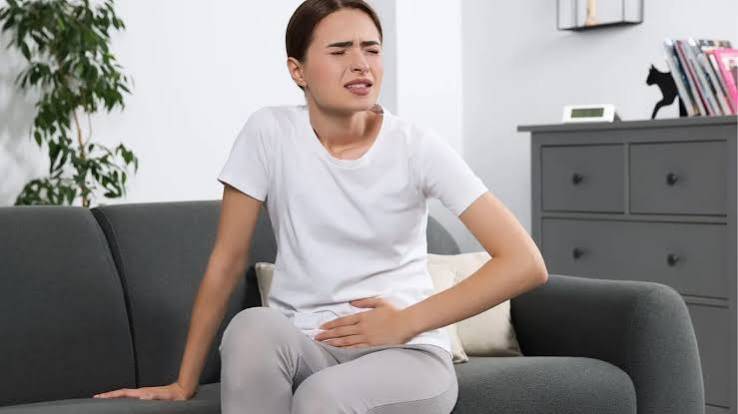
What Are the Causes of Persistent Pelvic Pain?
Pelvic pain is classified as persistent or chronic when it lasts for more than six consecutive months. This type of pain is not always caused by a problem with the reproductive organs alone. In many cases, it results from conditions affecting multiple body systems.
The underlying medical causes of persistent pelvic pain include:
Digestive Disorders
Conditions such as Irritable Bowel Syndrome (IBS) can cause chronic bloating and abnormal bowel movements, creating ongoing pressure and pain in the lower abdomen and pelvic region.
Pelvic Adhesions
Pelvic adhesions are bands of internal scar tissue that typically develop after previous abdominal or pelvic surgeries. These adhesions can bind organs together, leading to pain during movement or stretching.
Pelvic Congestion Syndrome
This condition occurs when the veins in the pelvic area become enlarged and dilated, causing blood to pool within them. The result is a persistent feeling of heaviness and chronic pelvic pain.
Urinary Tract Disorders
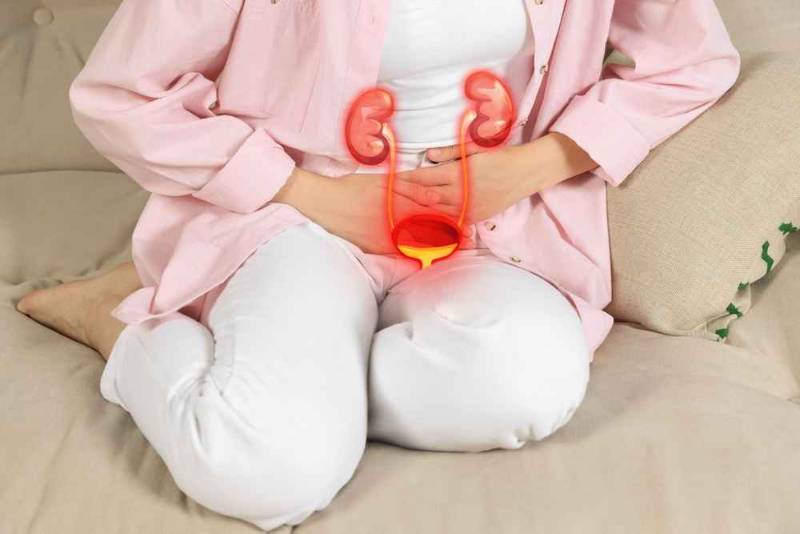
Conditions such as interstitial cystitis (painful bladder syndrome) can cause chronic pelvic pain and pressure, often accompanied by a frequent urge to urinate.
Causes of Chronic Pelvic Inflammatory Disease (PID) in Women
Chronic Pelvic Inflammatory Disease (PID) is a condition that requires accurate diagnosis. It primarily develops when a bacterial infection spreads throughout the female reproductive organs.
The most common causes include:
Untreated Acute Infections
Sexually transmitted infections (STIs), particularly chlamydia and gonorrhea, may spread upward from the vagina and cervix into the uterus, fallopian tubes, and ovaries if left untreated.
Scar Tissue Formation
Repeated infections or delayed treatment with appropriate antibiotics can gradually damage the reproductive organs, leaving scar tissue that continues to cause chronic pelvic pain even after the infection has cleared.
Medical Procedures Involving the Uterus
In some cases, bacteria may enter the uterus following certain medical procedures, such as IUD insertion or abortion, particularly if proper sterile precautions are not followed.
Causes of Pelvic Pain During Early Pregnancy
Although mild cramping is often considered a normal part of early pregnancy as the uterus expands, some causes require immediate medical evaluation.
Stretching of Supporting Ligaments
As the uterus grows rapidly to accommodate the developing fetus, the surrounding ligaments stretch, causing sharp, brief pain, especially when changing positions or standing suddenly.
Ectopic Pregnancy
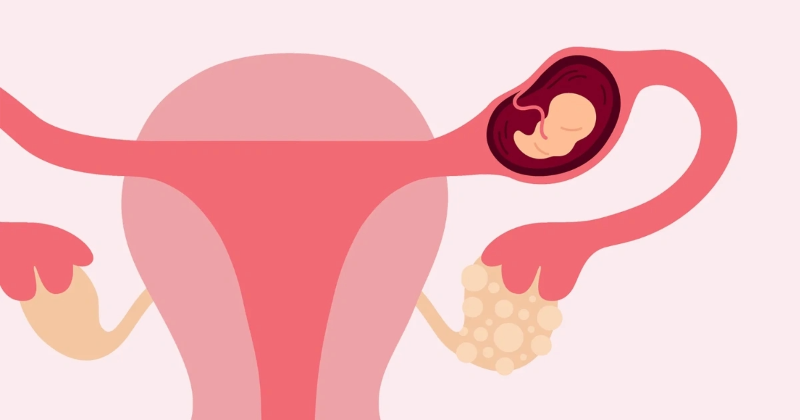
An ectopic pregnancy is a medical emergency in which the fertilized egg implants outside the uterus, most commonly in a fallopian tube. It typically causes severe, persistent pain on one side of the pelvis and requires urgent treatment.
Threatened Miscarriage
Severe pelvic pain accompanied by vaginal bleeding or intense lower back cramps may indicate a threatened miscarriage and should be evaluated immediately.
Can Birth Control Pills Cause Pelvic Pain?
Birth control pills do not usually cause pelvic pain. In fact, they are commonly prescribed to relieve pelvic pain associated with menstrual disorders and endometriosis. However, some women may experience mild, temporary cramping during the first few weeks of use as the body adjusts to hormonal changes.
Is Pelvic Pain an Early Sign of Pregnancy?
Yes. Mild pelvic pain or a feeling of pressure in the lower abdomen can be one of the earliest signs of pregnancy.
When the fertilized egg implants into the uterine lining, it may cause light cramping that closely resembles menstrual cramps. At the same time, hormonal changes prepare the body for pregnancy and gradually soften the pelvic ligaments, contributing to mild discomfort.
What Are the Symptoms of Chronic Pelvic Pain Syndrome?
Symptoms vary from one person to another, but persistent pain remains the defining feature.
Common symptoms include:
- Persistent, heavy pain in the lower abdomen and pelvis.
- Intermittent cramping that worsens during menstruation or when the bladder or bowels are full.
- Pain that becomes worse after prolonged sitting or standing and improves when lying down.
- Pain or difficulty during urination or bowel movements.
How Is Pelvic Pain in Women Treated?
Treatment depends on identifying the underlying cause of the pain. The most common treatment options include:
Medications
Doctors may prescribe pain relievers or nonsteroidal anti-inflammatory drugs (NSAIDs) to reduce pain and inflammation. Antibiotics are used when a bacterial infection, such as PID, is present.
Hormonal Therapy
Hormonal treatments, including birth control pills or hormone-regulating medications, can help relieve pain caused by endometriosis or menstrual disorders.
Physical Therapy
Pelvic floor physical therapy, including strengthening and relaxation exercises, may reduce muscle spasms and improve pelvic floor function, particularly when pain is related to muscle tension or weakness.
Surgery
Surgical treatment may be recommended for conditions such as pelvic adhesions, endometriosis, uterine fibroids, or ovarian cysts causing chronic pelvic pain. Many of these procedures are performed laparoscopically to minimize recovery time.
Avoid taking medications or starting treatment without consulting a healthcare provider, as effective management depends on diagnosing the underlying cause rather than simply relieving symptoms.
What Is the Treatment for Chronic Pelvic Pain Syndrome?
When chronic pelvic pain has multiple contributing factors, treatment often involves a multidisciplinary approach targeting both physical and neurological aspects of pain.
Neuromodulating Medications
Low doses of certain antidepressants may help modify how the brain processes pain signals originating from the pelvis.
Cognitive Behavioral Therapy (CBT)
CBT can help patients develop effective coping strategies while reducing stress, anxiety, and the emotional impact of chronic pain.
Trigger Point Injections
If muscle spasms are identified as the source of pain, local anesthetic injections into specific trigger points may provide temporary but meaningful relief.
Can Chronic Pelvic Inflammatory Disease Be Cured?
Yes. The active bacterial infection responsible for pelvic inflammatory disease can usually be completely cured by following the prescribed course of antibiotics.
However, scar tissue or adhesions that formed before treatment may continue to cause intermittent pelvic pain and may require additional management.
Does Chronic Pelvic Pain Syndrome Go Away Over Time?
Recovery varies depending on the underlying cause.
Some patients experience complete resolution once the cause is identified and properly treated. Others with more complex or long-standing conditions may continue to experience symptoms, but these can often be managed successfully through a comprehensive, multidisciplinary treatment plan.
What Are the Signs of Recovery From Pelvic Inflammatory Disease?
Signs of recovery usually appear gradually as treatment takes effect.
These include:
- Significant reduction or complete resolution of lower abdominal and pelvic pain.
- Return of normal vaginal discharge and disappearance of unpleasant odor.
- Normal body temperature with no fever.
- Resolution of pain during or after sexual intercourse.
- Improved overall well-being and return to normal daily activities.
When Should You See a Urologist?
You should consult a urologist if:
- Pelvic pain lasts longer than three months.
- You experience pain or difficulty during urination.
- You have recurrent urinary tract infections (UTIs).
- There is blood in your urine.
- You develop sudden, severe pelvic pain.
Seek immediate medical attention if pelvic pain is accompanied by a high fever or if your symptoms worsen significantly.
Early evaluation by an experienced urologist can help identify the underlying cause, establish an appropriate treatment plan, reduce the risk of complications, and promote faster recovery.
Conclusion
Chronic pelvic pain may be harmless in some cases, but it can also indicate an underlying medical condition that requires early diagnosis and treatment. Persistent or recurring pelvic pain should never be ignored, especially if it interferes with your daily activities or is accompanied by other symptoms.
If you still need a doctor’s consultation regarding this condition, you can easily book an appointment through Vezeeta.
Related Keywords
Specialized Doctors

عصام عبد الوهاب
استشاري طب و جراحة المسالك البولية و امراض الكلي و الذكورة و العقم - طب عين شمس

طارق الجمال
أستاذ جراحة المسالك البولية و الجراحات التناسلية(أطفال وبالغين)بالمعهد القومي للكلي والمسالك البولية وعضو الجمعية الأوروبية لجراحات المسالك

بيتر سمير
استشاري جراحات ومناظير المسالك البوليه
References
https://my.clevelandclinic.org/health/symptoms/12106-pelvic-pain
https://www.healthdirect.gov.au/persistent-pelvic-pain
https://www.rcog.org.uk/for-the-public/browse-our-patient-information/long-term-pelvic-pain/
https://emedicine.medscape.com/article/258334-overview
Specialized Doctors
عصام عبد الوهاب
استشاري طب و جراحة المسالك البولية و امراض الكلي و الذكورة و العقم - طب عين شمس
طارق الجمال
أستاذ جراحة المسالك البولية و الجراحات التناسلية(أطفال وبالغين)بالمعهد القومي للكلي والمسالك البولية وعضو الجمعية الأوروبية لجراحات المسالك
بيتر سمير
استشاري جراحات ومناظير المسالك البوليه