Causes and Treatment of Cystitis
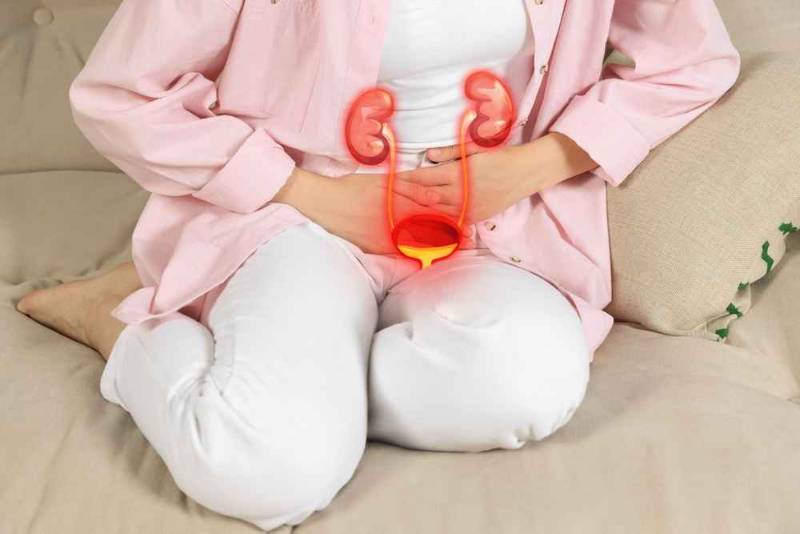
Cystitis affects a large number of people, especially women. Around 60% of women are estimated to experience it at some point, and about 20–40% may suffer from recurrent infections.
In this guide, we’ll explore the symptoms, causes, treatment options, and prevention of cystitis, and why it’s more common in women than men.
What is Cystitis?
Cystitis refers to the inflammation of the bladder, usually caused by a bacterial infection affecting the bladder or urethra. It can also occur due to exposure to certain personal care products or medications, resulting in:
- A burning sensation during urination
- A frequent urge to urinate, even after emptying the bladder
Cystitis is more common in women due to the anatomical differences between the female and male urinary tracts, making it easier for bacteria to reach the bladder.
What are Symptoms of Cystitis?
Symptoms are often similar to those of other urinary tract infections (UTIs) and may vary in severity:
- Burning or pain during urination
- Frequent urge to urinate
- Strong urge to urinate (sometimes leading to incontinence, especially in children)
- Cloudy or dark urine, with a strong odor
- Slight fever
- Heaviness or pressure in the lower abdomen
- Abdominal or back cramps
- Pain during sexual intercourse
In children or severe cases, seek immediate medical attention if you notice:
- High fever
- Blood in the urine
- Persistent or recurrent symptoms despite antibiotics
- Stomach upset
- Severe vomiting
- Chills
These could indicate kidney involvement or other complications.
What are Causes of Cystitis?
Cystitis is typically caused by bacterial infections, with bacteria entering and multiplying inside the bladder. However, it can also result from irritants such as:
- Personal care products
- Certain medications
Why Are Women More at Risk?
- Pregnancy
- Use of sanitary pads or tampons
- Use of spermicide-treated diaphragms
- Hormonal changes (during pregnancy, menstruation, or menopause) that create an environment favorable for bacterial growth
- Short urethra (only ~4 cm), allowing bacteria easier access to the bladder
Other Common Risk Factors in Men and Women:
- Chemotherapy or radiation therapy
- Urinary catheter use
- Bladder surgery
- Personal care products with chemicals
- Diabetes (due to high sugar levels in urine)
- Kidney stones
- Incomplete bladder emptying
How is Cystitis Diagnosed?
Urine tests are essential for diagnosis:
- Urinalysis: Examines urine color, odor, concentration, and checks for pus cells
- Urine culture: Identifies the specific bacteria to select the right antibiotic
Other tests may include:
- Cystoscopy: A thin tube with a camera is inserted through the urethra to examine the bladder and take samples
- X-rays or ultrasound: To rule out other underlying issues
What is the Cystitis Treatment?
Antibiotics are the main treatment. The choice depends on the bacteria identified. Common antibiotics include:
- Sulfonamides
- Nitrofurantoin
- Cephalosporins
- Amoxicillin
- Ciprofloxacin
In some cases, bladder dilation or surgery may be needed, especially if anatomical abnormalities are causing recurrent infections.
What are Home Remedies and Supportive Care?
- Drink plenty of water
- Wear cotton underwear
- Use loose-fitting clothes to keep the area ventilated
- Apply warm compresses to the lower abdomen for pain relief
- Take pain relievers like acetaminophen
- Avoid spicy foods and high-potassium foods
- Avoid smoking and alcohol
- Take warm baths for pain relief and hygiene
- Stop using chemical-based personal care products
What are Complications of Cystitis?
Untreated cystitis can lead to kidney infection, especially in children with urine reflux. Other possible complications include:
- Blood in the urine
- Pelvic floor dysfunction
- Fibromyalgia
- Irritable bowel syndrome (IBS)
- Vulvodynia (chronic vulvar pain)
Can Cystitis Be Prevented?
Yes, some healthy habits can reduce the risk:
- Drink more water
- Practice proper hygiene (keep the genital area clean and dry)
- Wipe from front to back after using the toilet
- Manage diarrhea and constipation
- Postmenopausal women may use vaginal estrogen creams to promote healthy bacteria
- Switch to alternative contraceptive methods if spermicide products trigger infections
- Take cranberry supplements after consulting a doctor
Conclusion
Although cystitis can cause uncomfortable symptoms, it is not usually a serious condition if treated early. Symptoms often improve within a few days. Following proper hygiene, hydration, and preventive care can help reduce the risk of recurrence.
If you still need to consult a doctor regarding this condition, you can easily book an appointment through Vezeeta
Related Keywords
Specialized Doctors

essam abdelwahab
Consultant of Urology, Nephrology, Andrology and Infertility - Ain Shams Medicine

Tarek El Gammal
Professor of Urology and reproductive surgery- National Institute of Urology & Nephrology- and member of the European society of Urology

Peter Samir
Consultant of urology and Endoscopy
References
Mayo Clinic – Cystitis
https://www.mayoclinic.org/diseases-conditions/cystitis
Comprehensive overview of cystitis causes, symptoms, diagnosis, and treatment options.
Cleveland Clinic – Cystitis: Symptoms, Causes & Treatment
https://my.clevelandclinic.org/health/diseases/15434-cystitis
Detailed explanation of bladder inflammation and its management.
National Health Service (NHS) – Cystitis
https://www.nhs.uk/conditions/cystitis
Official UK health resource describing prevention, self-care, and medical treatments for cystitis.
MedlinePlus – Cystitis
https://medlineplus.gov/cystitis.html
Trusted U.S. National Library of Medicine source offering patient-friendly information about cystitis.
National Institute of Diabetes and Digestive and Kidney Diseases (NIDDK) – Cystitis
https://www.niddk.nih.gov/health-information/urologic-diseases/cystitis
Provides medical insights into causes, risk factors, and treatments for bladder inflammation.
PubMed Central – Current Concepts in the Management of Cystitis
https://www.ncbi.nlm.nih.gov/pmc/articles/PMC
Research-based review of current treatment approaches for bacterial and interstitial cystitis.
Specialized Doctors
essam abdelwahab
Consultant of Urology, Nephrology, Andrology and Infertility - Ain Shams Medicine
Tarek El Gammal
Professor of Urology and reproductive surgery- National Institute of Urology & Nephrology- and member of the European society of Urology
Peter Samir
Consultant of urology and Endoscopy