Irritable Bowel Syndrome: Troublesome Symptoms and Key Treatment Strategies
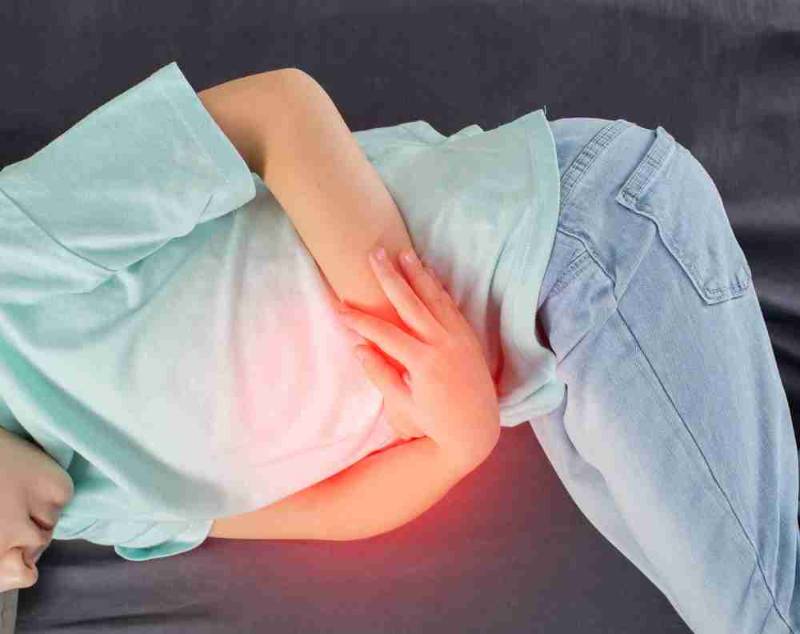
Do you suffer from constant bloating or frequent trips to the bathroom? Do you feel abdominal pain? This may indicate symptoms of Irritable Bowel Syndrome (IBS)—a condition that can be bothersome but is not necessarily dangerous.
In this detailed article, we’ll provide everything you need to know about IBS—its causes, symptoms, and treatment options—to help you manage it and minimize its impact on your daily life.
What is Irritable Bowel Syndrome?
Irritable Bowel Syndrome (IBS) is a common chronic health condition that causes a variety of digestive symptoms such as diarrhea, constipation, cramps, and bloating.
IBS symptoms affect about 10–15% of adults under 50 in the U.S., but only 5–7% of cases are actually diagnosed. Importantly, IBS does not cause serious changes to intestinal tissues, and symptoms can often be managed through lifestyle adjustments and proper treatment.
Where does IBS pain occur?
IBS pain can affect any area along the digestive tract, from the chest to the pelvis:
- Upper abdomen: Often associated with bloating, worsens after meals.
- Mid-abdomen: Cramping around the navel.
- Lower abdomen: Pain relieved after bowel movements.
Identifying pain location and triggers is crucial for proper diagnosis and ruling out other conditions.
Can IBS cause chest and back pain?
Yes. IBS is a common cause of chest pain due to abdominal muscle spasms and excess gas pressing on nerves. Back pain may also occur, often as “referred pain,” meaning the discomfort originates elsewhere but radiates to the back.
What are the IBS Symptoms in Women?
Women may experience stronger and more frequent IBS symptoms before or during menstruation, and during hormonal changes like puberty, pregnancy, or menopause. Symptoms include:
- Bloating
- Constipation
- Abdominal pain
- Fatigue
- Frequent urination
- Pain during urination
- Pelvic floor issues due to chronic constipation
- Pain during intercourse
What are the IBS Symptoms in Men?
Symptoms tend to be milder in men, with less bloating and fatigue. They may include:
- Diarrhea
- Frequent bowel movements
- Mucus in stool
What are the Psychological IBS Symptoms?
Depression and anxiety are more common in women with IBS. It’s unclear whether stress triggers IBS or IBS symptoms worsen psychological health. In men, these symptoms occur less frequently but can still appear.
What are the IBS Triggers?
- Food: dairy, wheat, citrus fruits, beans, cabbage, onions, carbonated drinks.
- Stress: Symptoms worsen during emotional stress or pressure.
What are the IBS Causes?
The exact cause remains unknown. Possible factors include colon hypersensitivity, bacterial infections, or immune system dysfunction.
How is IBS Diagnosed?
There is no single diagnostic test. Doctors rely on patient history, symptoms, and physical exams, while ruling out other conditions such as celiac disease. Tests may include:
- Stool tests
- Blood tests
- Colonoscopy
- Rome Criteria (evaluating weekly abdominal pain over 3 months linked to changes in bowel habits).
IBS types:
- IBS with diarrhea (IBS-D)
- IBS with constipation (IBS-C)
- Mixed IBS (IBS-M)
What is the IBS Treatment?
There is no permanent cure, but symptoms can be managed.
Home remedies:
- Reduce caffeine
- Increase fiber intake
- Exercise regularly
- Quit smoking
- Manage stress
- Take probiotics
- Avoid trigger foods
- Eat smaller meals
- Drink peppermint tea
Medications (with doctor’s advice):
- Antibiotics
- Anti-constipation drugs
- Antispasmodics
- Antidepressants
- Anti-diarrheal drugs
- Pain relievers
- IBS-specific drugs: Eluxadoline, Alosetron, Lubiprostone, Linaclotide, Rifaximin
Beware of misleading ads claiming IBS can be cured in “10 minutes.” Such quick fixes only relieve temporary pain, not the underlying condition.
Conclusion
Living with IBS can be challenging, but with the right strategies—lifestyle changes, medical support, and symptom management—you can take control of your digestive health and improve your quality of life.
If you still need to consult a doctor regarding this condition, you can easily book an appointment through Vezeeta
Related Keywords
Specialized Doctors

Andre atef Saweras
consultant of Gastrointestinal Diseases, Liver Diseases, Endoscopy, and Infectious Diseases - Faculty of Medicine (Kasr El Aini).

Ahmed Amer Afifi
Consultant of Gastroenterology , Endoscopy And Hepatology Faculty of medicine Al Azhar University

Ahmed Almarakby
Consultant in internal medicine, digestive system, liver and endoscopy
References
American College of Gastroenterology (ACG). (2021). Irritable Bowel Syndrome: ACG Clinical Guideline. The American Journal of Gastroenterology.
National Institute of Diabetes and Digestive and Kidney Diseases (NIDDK). (2021). Definition & Facts of Irritable Bowel Syndrome. U.S. Department of Health and Human Services.
Mayo Clinic. (2023). Irritable Bowel Syndrome (IBS). Retrieved from: https://www.mayoclinic.org
National Health Service (NHS). (2023). Irritable Bowel Syndrome (IBS). Retrieved from: https://www.nhs.uk
Johns Hopkins Medicine. (2022). Irritable Bowel Syndrome (IBS). Retrieved from: https://www.hopkinsmedicine.org
Harvard Health Publishing. (2022). Irritable Bowel Syndrome: A Mind-Body Connection. Harvard Medical School.
American Gastroenterological Association (AGA). (2020). Clinical Practice Update on Irritable Bowel Syndrome: Treatment Approaches and Management Strategies.
Specialized Doctors
Andre atef Saweras
consultant of Gastrointestinal Diseases, Liver Diseases, Endoscopy, and Infectious Diseases - Faculty of Medicine (Kasr El Aini).
Ahmed Amer Afifi
Consultant of Gastroenterology , Endoscopy And Hepatology Faculty of medicine Al Azhar University
Ahmed Almarakby
Consultant in internal medicine, digestive system, liver and endoscopy