Ureteral Stone: Symptoms, Treatment Options, and When to Seek Medical Care
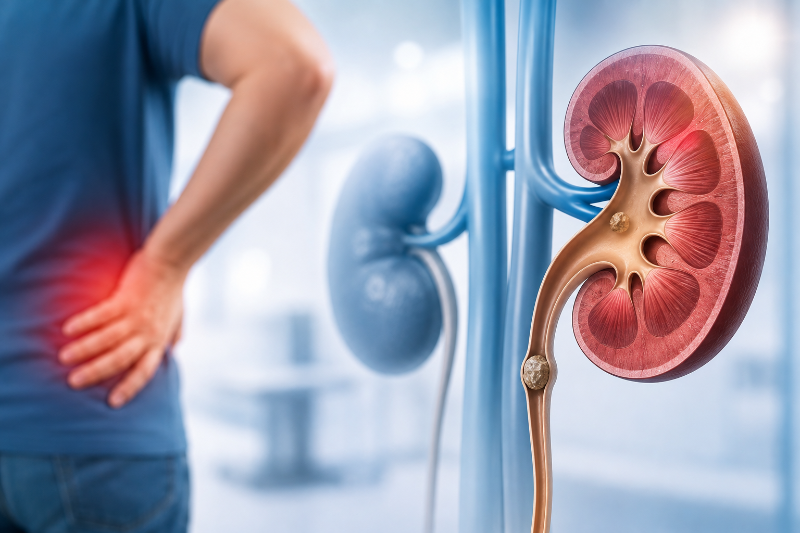
What Are the Symptoms of a Ureter Stone?
Symptoms vary depending on the stone's size, location, and how much it's blocking the ureter, but pain is almost always the first sign.
You might feel a sudden, intense ache on one side of your back or just below your ribs. As the stone moves down the ureter, that pain can shift toward your lower abdomen or groin.
Other common symptoms include:
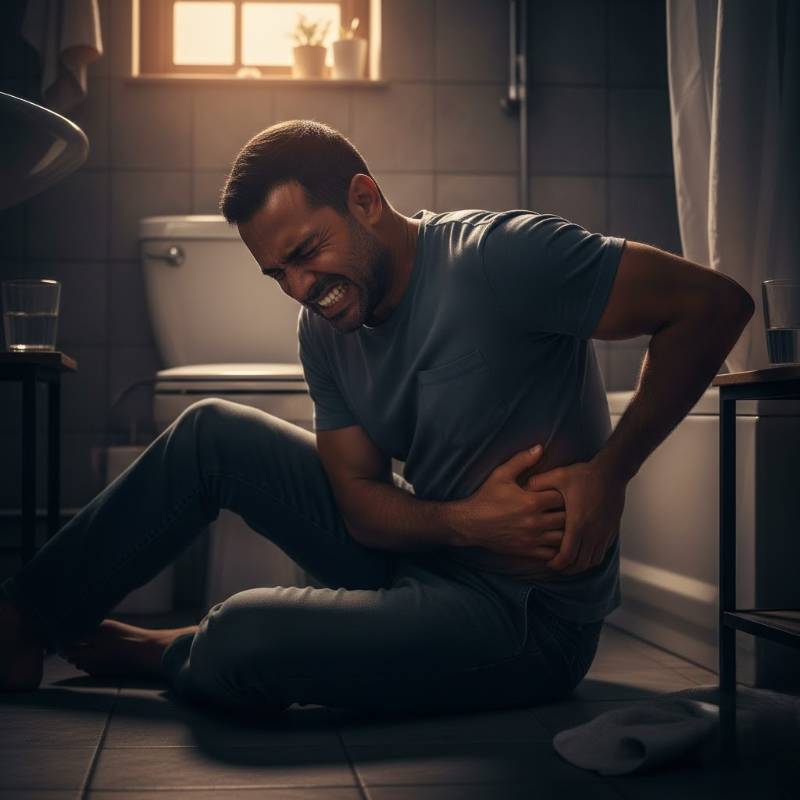
- Severe, intermittent pain that comes in waves, often described as renal colic
- Burning or pain while urinating
- Needing to urinate more often or feeling a sudden urgent need to go
- Blood in the urine, which can make it look pink, red, or brown
- Cloudy urine or urine with an unusual smell
- Nausea and vomiting from the intensity of the pain
- Fever and chills, which can signal a urinary tract infection alongside the blockage and need prompt medical attention
If you have severe pain with a fever or chills, don't wait to see if the stone passes on its own. An infection paired with a urinary blockage can be a medical emergency.
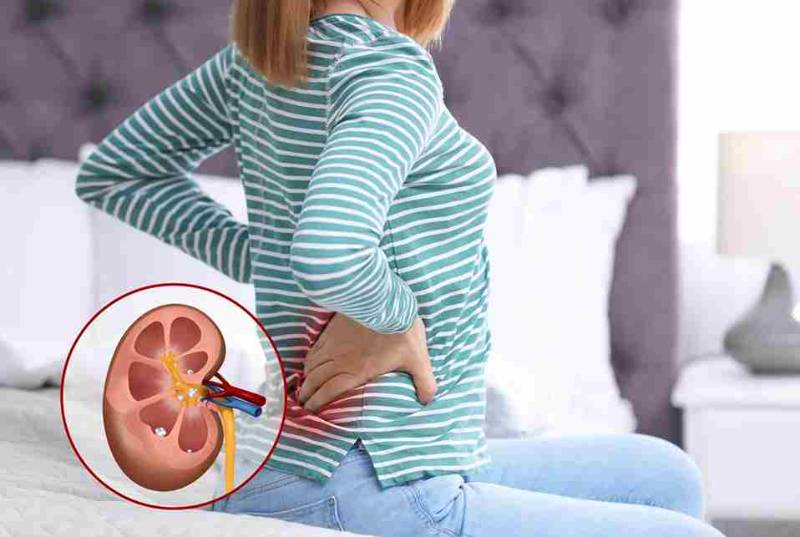
What Are the Symptoms in Women?
If you're a woman experiencing sudden, intense pain on one side of your back that radiates to your lower abdomen or groin, a ureter stone could be the cause.
The symptoms are largely the same as in men:
- Flank pain
- Burning urination
- Blood in the urine
- Frequent urination and nausea
The key difference is where the pain may radiate. In women, it can extend into the pelvic area or the genitals, which sometimes makes it hard to tell apart from ovarian cysts or pelvic inflammatory conditions. An ultrasound or CT scan can help get a clear diagnosis.
How Is a Ureter Stone Treated?
When you see a urologist for ureter stone symptoms, the treatment choice isn't just about whether a stone exists. Your doctor will look at its size, location, how much it's blocking the ureter, your kidney function, and how bad your symptoms are.
Smaller stones that are likely to pass on their own may be managed conservatively. Larger ones, or those causing a significant blockage, may need intervention.
Medication
For small stones, watchful waiting paired with pain control is often the first approach. Your doctor may prescribe pain relievers for the colic and, in some cases, medications that relax the ureter muscles to help the stone pass more easily.
Don't take over-the-counter painkillers or stone-expulsion drugs on your own, especially if you have kidney disease, stomach problems, or are already on other medications.
Shock Wave Lithotripsy (ESWL)
If the stone doesn't pass on its own, or its size and location make it a good candidate for this approach, your doctor may recommend ESWL. High-energy shock waves from outside the body break the stone into smaller pieces that can then pass through the urinary tract in your urine.
Ureteroscopy with Laser Lithotripsy
When a stone is stuck, large, or hasn't responded to other treatment, ureteroscopy is a common next step. A thin scope is passed through the urethra and bladder into the ureter. From there, the stone can either be removed directly or broken up with a laser into tiny pieces that pass more easily.
Your urologist decides which approach fits your situation based on the full picture.
How Can You Help a Stone Pass?
If your doctor has told you the stone is small and can likely pass on its own, there are a few things that may help during the waiting period:
Stay hydrated
Drinking a reasonable amount of water supports urine flow, which can help carry a small stone through. That said, don't try to force it out by drinking enormous amounts at once, especially if you have a blockage or severe pain.
Keep moving
Light activity and walking may help shift the stone in some people. You don't need intense exercise, and during pain episodes, rest is more important.
Warm compresses
Applying warmth to your back or side can help ease muscle spasms and reduce the discomfort that comes with renal colic.
These approaches don't guarantee the stone will break up or pass, particularly if it's large or causing an obstruction.
Can a Ureter Stone Pass Without Surgery?
Yes. Smaller stones can travel through the urinary tract and come out in your urine naturally. The smaller the stone and the closer it is to the bladder, the better the chances.
While waiting, keep up a reasonable fluid intake, move around gently when you can, and take any medications your doctor prescribed.
Lemon juice and drinks high in citrate are sometimes mentioned as helpful. They may play a role in preventing certain kidney stones long-term, but they can't dissolve a stone that's already there.
There's no single natural remedy guaranteed to work for all ureter stones. Treatment depends on the stone's type, size, and location.
What Size Stone Can Pass on Its Own?
Size matters a lot when it comes to whether a stone will pass without intervention. Stones 5 mm and smaller generally pass on their own, while those larger than 7 mm are less likely to do so and may need surgical treatment.
But size isn't the only factor. Where the stone sits in the ureter, how much it's blocking urine flow, whether there's pain or infection all of this shapes your doctor's recommendation.
When Does a Ureter Stone Need Surgery or Lithotripsy?
Watchful waiting isn't right for every situation. If the stone is large, stuck, or causing an ongoing blockage, medical intervention may be needed. Your doctor may recommend treatment if:
- Severe pain continues despite appropriate pain medication
- The stone hasn't passed within the timeframe your doctor set
- There's a ureteral blockage affecting urine drainage
- Kidney function has declined or there's a pre-existing kidney condition
- Pain episodes keep recurring and are hard to control
- Fever or chills appear alongside a urinary tract blockage
An infection with a concurrent blockage needs urgent evaluation. The priority in that case is often draining the urine and controlling the infection before addressing the stone itself.
How long does it take to pass?
There's no set timeline. Small stones may pass within days to a few weeks; larger ones may require intervention.
Does walking help?
It can for some people. Light movement may encourage the stone to shift, but it's not a reliable solution on its own, especially with a larger or obstructing stone.
A small ureter stone may pass without any intervention. A larger one, or one causing a blockage, will need treatment whether medication, lithotripsy, or ureteroscopy. Don't ignore severe pain or blood in the urine, and see a urologist if you develop a fever alongside your symptoms.
If you still need a doctor’s consultation regarding this condition, you can easily book an appointment through Vezeeta.
Related Keywords
Specialized Doctors

essam abdelwahab
Consultant of Urology, Nephrology, Andrology and Infertility - Ain Shams Medicine

Tarek El Gammal
Professor of Urology and reproductive surgery- National Institute of Urology & Nephrology- and member of the European society of Urology

Peter Samir
Consultant of urology and Endoscopy
References
https://my.clevelandclinic.org/health/diseases/16514-ureteral-stones
https://www.ncbi.nlm.nih.gov/books/NBK560674/
https://www.ncbi.nlm.nih.gov/books/NBK559101/
https://medlineplus.gov/kidneystones.html
https://www.nhsinform.scot/illnesses-and-conditions/kidneys-bladder-and-prostate/kidney-stones/
https://my.clevelandclinic.org/health/diseases/15604-kidney-stones
https://pmc.ncbi.nlm.nih.gov/articles/PMC3097585/
Specialized Doctors
essam abdelwahab
Consultant of Urology, Nephrology, Andrology and Infertility - Ain Shams Medicine
Tarek El Gammal
Professor of Urology and reproductive surgery- National Institute of Urology & Nephrology- and member of the European society of Urology
Peter Samir
Consultant of urology and Endoscopy