Do you experience sudden pain in your side? Learn about the symptoms of kidney stones and how to get rid of them.
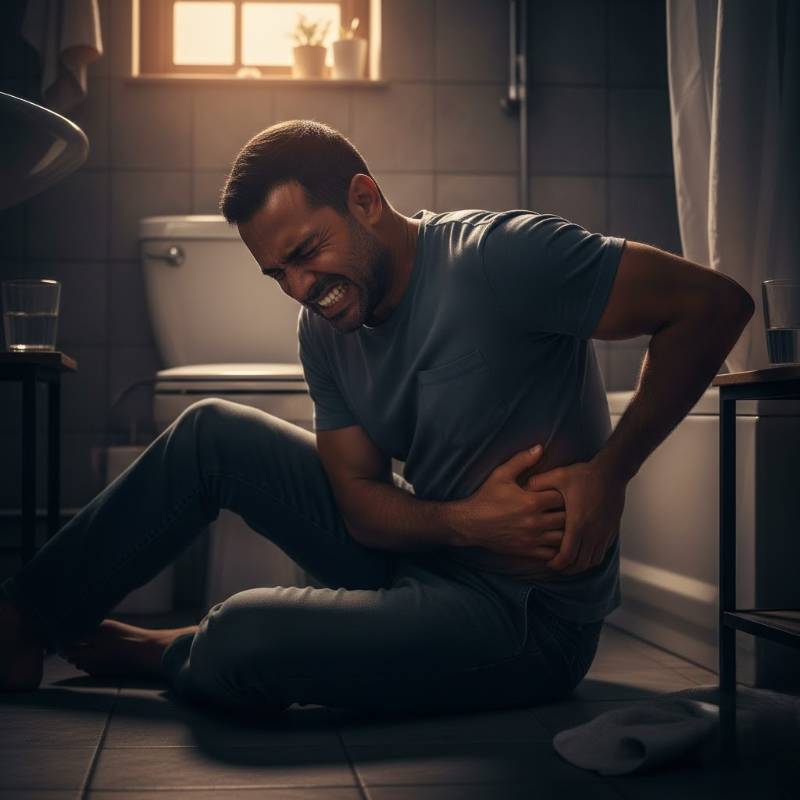
What Are Kidney Stones?
Kidney stones are small, hard masses resembling stones, primarily composed of minerals and salts that accumulate inside the kidneys. This problem begins when the body lacks sufficient fluids, making the urine highly concentrated. Consequently, these minerals start to crystallize and stick together, forming a solid mass. These stones do not always stay in one place; they can move through any part of the urinary tract, from the kidneys to the bladder. While some stones may pass naturally during urination, others may require a medical intervention for removal.
What Are the Symptoms of Kidney Stones?
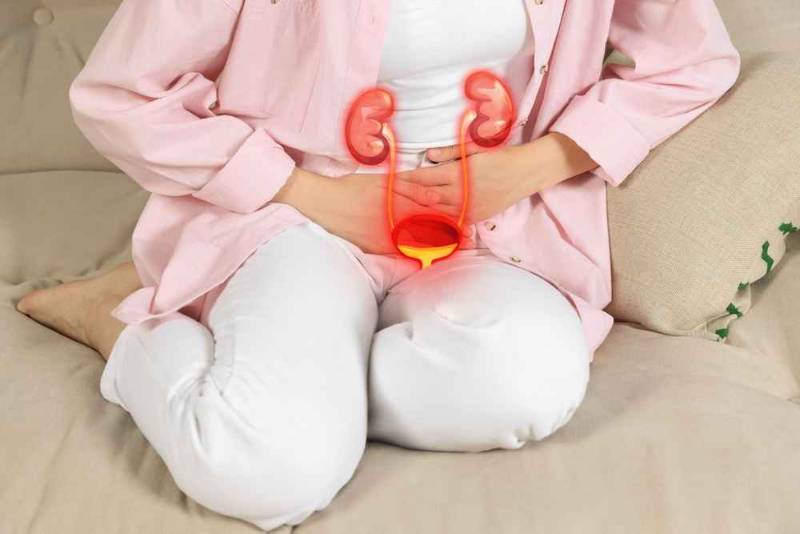
A patient might live with a stone for a long time without noticing its presence as long as it remains stable within the kidney. However, once it begins to move into the ureter, unavoidable symptoms will arise. This typically manifests as sudden, sharp, cramp-like pain in the side and back, specifically below the ribs, which may gradually shift toward the lower abdomen. Additionally, one might experience a painful burning sensation during urination, notice pink or red-colored urine due to the presence of blood, and feel a persistent, sudden urge to urinate even if the resulting amount is very small.
Kidney Stones and Common Symptoms
In addition to pain, other symptoms may occur, such as nausea and vomiting, especially during episodes of intense pain. If the stone causes a blockage leading to inflammation, signs of infection may appear, including fever and chills, along with foul-smelling or cloudy urine. A key characteristic of moving stones is the fluctuating nature of the pain, which often comes in waves of varying intensity.
What Causes Kidney Stones?
Several factors increase the likelihood of these stones forming, the most prominent being the failure to drink enough water. When the body becomes dehydrated, urine becomes overly concentrated with salts. Genetic factors can also make an individual more prone to developing kidney stones. Furthermore, diet plays a significant role; excessive consumption of table salt or animal proteins can trigger these deposits. Chronic health conditions, such as diabetes or obesity, also directly contribute by altering the chemical balance of the urine.
How Do Kidney Stones Form?
The process starts when the balance between fluids and stone-forming substances in the urine is disrupted. Naturally, urine contains compounds that prevent these minerals from sticking together. However, when substances like calcium or uric acid increase beyond the fluid's capacity to dissolve them, "crystallization" begins. These crystals adhere to one another to form a stone nucleus, which continues to grow over time as more deposits accumulate around it.
The Difference Between Kidney Salts and Kidney Stones
The two terms are often confused, but the distinction is clear. "Kidney salts" refer to a high concentration of minerals in the urine that have not yet formed a solid mass. This condition can often be managed simply by increasing water intake and adjusting the diet. In contrast, "kidney stones" represent a more advanced stage where these salts clump together into solid masses of a specific size, potentially causing blockages or severe pain that requires a different treatment plan or medical intervention.
How Are Kidney Stones Diagnosed?
To accurately diagnose the condition and confirm the presence of stones, a doctor will initially review the medical history and the nature of the pain. Diagnostic steps include a urinalysis to detect microscopic crystals or traces of blood, and blood tests to check calcium and salt levels. A CT scan remains the most accurate and preferred method for determining the stone's exact location, size, and shape. In some cases, ultrasound may be used as a quick and safe option to evaluate the kidneys.
How Do I Get Rid of Kidney Stones?
Treatment depends on the size of the stone. Small stones usually only require "expectant management," which involves drinking large amounts of water to encourage the stone to pass, along with pain relievers. A doctor might also prescribe "alpha-blockers," which relax the muscles of the ureter, making it easier for the stone to pass more quickly and with less pain.
Treating Kidney Stones
When a stone does not pass naturally, several medical options are available. These include Extracorporeal Shock Wave Lithotripsy (ESWL) to break up the stones or ureteroscopy, where a thin scope is inserted through the urethra to reach and fragment the stone using a laser. For complex cases or very large stones, a doctor may resort to percutaneous nephrolithotomy to remove the stone directly from the kidney through a small incision.
Lithotripsy: When Is It the Best Solution?
Shock wave lithotripsy is an ideal option if the stone is smaller than 2 cm and located within the kidney. This technology uses focused sound waves to break the stone into small fragments, allowing them to pass gradually through the urine. This procedure is non-invasive and does not require a long recovery period or an extended hospital stay.
How to Get Rid of Kidney Stones Naturally?
The most important natural method for managing kidney stones is increasing water consumption to keep the urine diluted and reduce mineral precipitation. Consuming foods rich in citrates, such as lemons, is also recommended, as citrate helps prevent mineral crystallization. Additionally, reducing salt and protein intake and maintaining a healthy weight are essential habits that limit the growth of existing stones and prevent new ones from forming.
In conclusion, the kidneys are a reflection of daily habits; every glass of water is a true investment in preventing the excruciating pain of kidney stones. Responding quickly to the body’s signals—whether it is slight pain or a change in urine color—can be the difference between a simple recovery and complications that threaten the long-term health of the urinary system.
If you still need to consult a doctor regarding this condition, you can easily book an appointment through Vezeeta
Related Keywords


Specialized Doctors

essam abdelwahab
Consultant of Urology, Nephrology, Andrology and Infertility - Ain Shams Medicine

Hany El Bahr
Consultant Urology, Andrology and Infertility Surgery - Ain Shams University

Tarek El Gammal
Professor of Urology and reproductive surgery- National Institute of Urology & Nephrology- and member of the European society of Urology
References
- https://my.clevelandclinic.org/health/diseases/15647-kidney-stones
- https://www.mayoclinic.org/diseases-conditions/kidney-stones/symptoms-causes/syc-20355755
- https://www.healthline.com/health/kidney-stones#causes
- https://medlineplus.gov/kidneystones.html
- https://www.webmd.com/kidney-stones/kidney-stones-diagnosis-tests
- https://www.medicalnewstoday.com/articles/322359
- https://www.healthline.com/health/kidney-health/how-to-prevent-kidney-stones
Specialized Doctors
essam abdelwahab
Consultant of Urology, Nephrology, Andrology and Infertility - Ain Shams Medicine
Hany El Bahr
Consultant Urology, Andrology and Infertility Surgery - Ain Shams University
Tarek El Gammal
Professor of Urology and reproductive surgery- National Institute of Urology & Nephrology- and member of the European society of Urology