Kidney stones | Causes, symptoms, and laser treatment for kidney stones
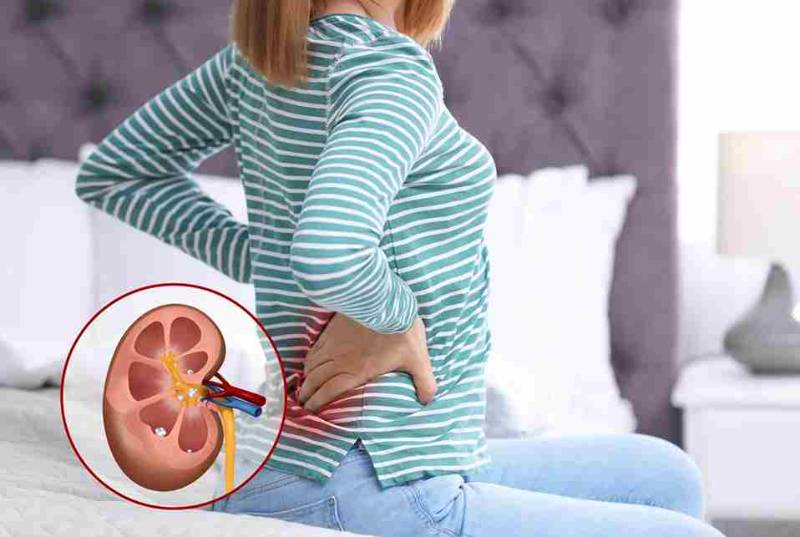
What Are Kidney Stones?
Kidney Stones are hard masses formed from salts and minerals inside the kidneys. Their size varies from one patient to another.
Kidney stones may cause pain, nausea, or blood in the urine, although some people may not notice any symptoms at all.
Stones leave the body through the ureter, but larger stones can become stuck there, causing blockage and difficulty passing urine.
What Is the Size of Kidney Stones?
The size of kidney stones varies from person to person, as does the time it takes for them to form. Some stones may take years to develop, while others can form within only a few months.
Their size can range from tiny grains of sand to stones as large as a golf ball.
The size of the stone affects the severity of pain and symptoms. Patients often experience few or no symptoms while the stones remain in the kidneys, with pain usually beginning once the stones move into the ureter.
The larger the ureteral stones become, the greater the pain and other symptoms caused by friction against the ureter or blockage within it.
What Are the Types of Kidney Stones?
Kidney stones differ from one patient to another, and even the composition of stones may vary in the same patient. They are classified into the following types:
Calcium Stones
These are the most common type and result from the accumulation of oxalate salts in the urine, which combine with calcium to form calcium oxalate stones, often due to insufficient water intake. They may also form from calcium phosphate, especially in patients with renal tubular acidosis.
Uric Acid Stones
These are less common and develop from the buildup of purines produced during the breakdown of animal proteins found in meat and fish. They are more common in people with chronic diarrhea or malabsorption.
Struvite Stones
These develop as a result of urinary tract infections and are characterized by rapid growth.
Cystine Stones
These are rare and occur in cystinuria, a hereditary condition that causes the kidneys to excrete excessive amounts of certain amino acids.
What Are the Symptoms of Kidney Stones in Adults?
As mentioned earlier, symptoms may not appear for long periods in both men and women. Symptoms usually begin when the stone enlarges or moves from its original location.
Movement of stones within the kidney may not cause severe symptoms, but when they move into the ureter, they can block urine flow and cause kidney swelling.
Symptoms of kidney stones may include:
- Frequent urge to urinate
- Pain or burning during urination
- Intermittent pain in the lower back and sides that may extend to the groin and lower abdomen
- Inability to urinate
- Blood in the urine
- Cloudy, discolored, or foul-smelling urine
- Fever and chills
Kidney Stone Symptoms in Children
Pain severity in children depends on the size and location of the stone in the ureter. Children usually do not feel pain while stones remain in the kidneys, but severe pain and blood in the urine are among the most common symptoms of ureteral stones.
Other symptoms may include:
- Severe abdominal cramps
- Inability to urinate if the urinary tract is blocked
- Nausea
- Vomiting
Symptoms of severe infection may also appear, such as:
- High fever
- Chills
- General weakness
- Foul-smelling urine
- Cloudy urine
Causes of Kidney Stones
Salts and minerals are produced through the digestion and breakdown of food and drinks, and water helps flush them out through urine.
Kidney stones form when salts and minerals accumulate in the kidneys instead of being eliminated in urine, usually because the patient drinks too little water.
As their concentration increases, they combine with other substances to form hard crystals known as kidney stones.
The risk of developing kidney stones increases in the following situations:
- Family history of kidney stones
- Eating foods rich in stone-forming substances such as meat, beans, salt, and sugar
- Urinary tract obstruction
- Taking certain medications that promote stone formation, such as diuretics, calcium-containing antacids, vitamin C, and some antibiotics like ceftriaxone and ciprofloxacin, as well as epilepsy medications
- Previous stomach or intestinal surgery, such as bariatric surgery
- Certain medical conditions such as high blood pressure, obesity, osteoporosis, or gout
How Are Kidney Stones Diagnosed?
The patient’s symptoms, medical history, medication history, and physical examination help doctors make an initial diagnosis.
Doctors may also recommend several tests to evaluate kidney and urinary tract function and determine the presence, size, and location of stones, including:
Urine Tests
These help detect salts and minerals that promote stone formation, substances that prevent stones, and the presence of bacteria or blood in the urine.
Blood Tests
These measure calcium, uric acid, and phosphorus levels in the blood, as well as creatinine and blood urea nitrogen.
Imaging Tests
X-rays can detect stones, while CT scans are more effective for identifying small stones. During the first trimester of pregnancy, ultrasound is preferred over CT scans to avoid harming the fetus.
What Is the Most Effective Treatment for Kidney Stones?
Treatment depends on the type and size of the stone. Small stones may not require treatment and may pass naturally through the kidney and ureter.
Drinking fluids—especially water—is considered the best treatment for kidney stones, and doctors usually recommend drinking 6–8 glasses of water daily.
Treatment becomes necessary for larger stones or ureteral stones that cannot pass and cause blockage.
It is important to note that kidney stones cannot be treated within four hours as some people claim. Treatment duration depends on the stone size.
Small stones may pass within 1–2 weeks, while larger stones may take 2–3 weeks.
If stones fail to pass after more than four weeks, doctors may recommend medications, laser treatment, or surgery in emergency cases.
Medications for Kidney Stones
The primary goal is to break down and remove the stones. Doctors may also prescribe medications to relieve pain and vomiting, such as:
- Ibuprofen, naproxen, or acetaminophen for pain relief
- Allopurinol to dissolve uric acid stones
- Thiazide diuretics or phosphate solutions to prevent calcium stones
- Sodium bicarbonate to reduce urine acidity
- Alpha-blockers to relax ureter muscles and facilitate stone passage
Laser Treatment for Kidney Stones
Laser treatment breaks the stone into small fragments, making it easier to pass through urine. The procedure usually takes 45–60 minutes.
High-energy sound waves are directed at the stones, producing vibrations that break them apart. Some patients may experience pain, so sedation or local anesthesia may be used during the procedure.
Surgical Removal of Kidney Stones
Surgery becomes the only option when medications and laser treatment fail. Surgical methods include:
Ureteroscopy
A thin tube with a small camera is inserted through the bladder into the ureter to locate and remove the stones. A laser may also be passed through the scope to break larger stones into smaller pieces.
Surgical Stone Removal
This technique is used for very large stones through a surgical incision near the affected kidney under general anesthesia.
Foods to Avoid for Kidney Stone Patients
If you have kidney stones, your doctor may recommend reducing or avoiding certain foods depending on the stone type.
For calcium oxalate stones, foods to limit may include:
- Wheat bran
- Nuts
- Chocolate
- Leafy vegetables such as spinach
- Soy-rich foods
- Strawberries
- Dried peas
- Tea
For uric acid stones, foods high in purines should be reduced, such as:
- Red meat
- Alcohol
- Organ meats like liver and spleen
- Shellfish
- Processed meats
Doctors may also recommend calcium-rich foods such as:
- Yogurt
- Cheese
- Broccoli
- Salmon
- Cow’s milk
- Calcium-fortified juices or cereals
- Cabbage
Complications of Kidney Stones
Kidney stones may cause permanent kidney damage, leading to chronic kidney disease and increasing the likelihood of recurrent stones.
Other complications include:
- Ureter blockage
- Urinary tract infections
- Ureter damage
- Sepsis
How Can Kidney Stones Be Prevented?
You can reduce the risk of kidney stones by following these healthy habits:
- Limiting salt intake
- Drinking at least 6–8 glasses of water daily
- Avoiding excessive weight gain
- Losing excess weight
- Reducing foods rich in oxalates
In conclusion, kidney stones result from the accumulation of minerals and salts in the kidneys. They often cause symptoms when they move into the ureter and can be treated with medications or laser therapy to prevent chronic kidney damage.
If you still need medical advice regarding this condition, you can easily book an appointment through Vezeeta
Related Keywords

Specialized Doctors

mohamed ali abdelhalim
Lecturer andConsultant iin Internal Medicine and Nephrology

mohamed Abdelmnaem atalla
nephrology and internal medicine consultant

Ahmed AbdelAzeem Elmoghany
Consultant & Assistant Lecturer of Internal Medicine and Nephrology, Faculty of Medicine, Tanta University
References
- https://my.clevelandclinic.org/health/diseases/15604-kidney-stones
- https://www.nhs.uk/conditions/kidney-stones/
- https://www.niddk.nih.gov/health-information/urologic-diseases/kidney-stones
- https://www.kidneyfund.org/all-about-kidneys/other-kidney-problems/kidney-stones
- https://www.kidney.org/kidney-topics/six-easy-ways-to-prevent-kidney-stones
Specialized Doctors
mohamed ali abdelhalim
Lecturer andConsultant iin Internal Medicine and Nephrology
mohamed Abdelmnaem atalla
nephrology and internal medicine consultant
Ahmed AbdelAzeem Elmoghany
Consultant & Assistant Lecturer of Internal Medicine and Nephrology, Faculty of Medicine, Tanta University