Kidney Disease | Can It Occur Without Symptoms?
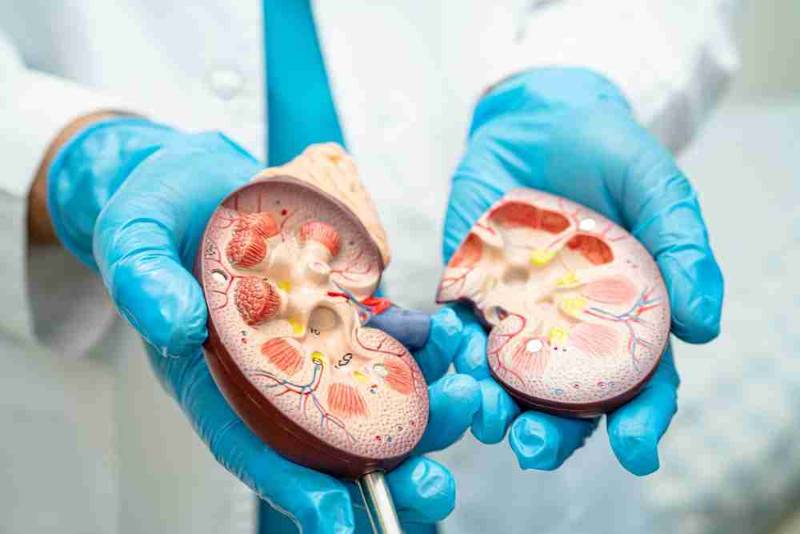
What is kidney disease?
Kidney disease (Kidney Failure) is a medical term that refers to a defect or damage in kidney function, which prevents them from properly filtering waste and excess fluids from the blood. When this damage worsens, toxins accumulate in the body, leading to an imbalance in body fluids and chemicals. The condition can progress from mild dysfunction to an advanced stage known as kidney failure, which requires immediate medical intervention to replace kidney function.
What are the symptoms of kidney disease?
The physical signs vary depending on the extent of kidney tissue damage and the level of decline in filtration efficiency. In the early stages, the body can compensate for mild loss of function, but as waste accumulates in the bloodstream, other body systems become affected, and symptoms gradually appear—from mild to life-threatening.
Early symptoms of kidney failure
In the early stages, a person may not notice any clear changes or may experience general symptoms that are easily mistaken for daily fatigue, such as:
- Persistent tiredness and fatigue due to reduced blood purification efficiency.
- Mild swelling in the feet or ankles due to fluid retention.
- Slight changes in urination frequency, especially at night.
Advanced symptoms of kidney failure
When kidney damage worsens significantly, severe symptoms appear due to uremia and fluid overload, including:
- Persistent nausea and vomiting.
- Loss of appetite and shortness of breath due to fluid buildup around the lungs.
- Severe dry and itchy skin.
- Muscle cramps.
- Noticeable swelling in the face and limbs.
- Sharp decrease in urine output.
Stages of kidney disease
Kidney failure does not occur suddenly; it progresses through five main stages based on kidney function and filtration ability. This classification helps determine disease progression and appropriate treatment:
Stage 1 kidney disease
Very mild kidney damage, with normal kidney function. GFR is 90 or above. No symptoms appear, and it is usually detected accidentally through urine tests showing protein.
Stage 2 kidney disease
Mild decrease in kidney function. GFR ranges from 60–89. The kidneys still remove waste effectively, with no clear symptoms, and detection relies on lab tests.
Stage 3 kidney disease
Moderate to severe decline in kidney function. GFR ranges from 30–59. Symptoms begin to appear such as fatigue, back pain, swelling of hands and feet, and dark or foamy urine.
Stage 4 kidney disease
A very advanced and serious stage. GFR drops to 15–29. Waste accumulates significantly, requiring close medical care and preparation for alternative treatments.
End-stage kidney failure
Occurs when kidneys lose more than 85% of their function. GFR falls below 15. Dangerous levels of toxins and fluids accumulate, making dialysis or kidney transplant necessary for survival.
Types of kidney disease
Kidney failure is divided into two types:
Acute kidney disease
A sudden and rapid decline in kidney function over hours or days. It can be fully reversible if treated early. It includes:
- Pre-renal failure: due to reduced blood flow to kidneys (dehydration, bleeding, heart failure).
- Intrinsic renal failure: direct damage to kidney structures (toxins, medications, inflammation).
- Post-renal failure: urinary obstruction (kidney stones, tumors).
Chronic kidney disease
A slow and progressive decline over months or years, leading to irreversible damage. It includes:
- Pre-renal chronic failure: long-term reduced blood supply to kidneys.
- Intrinsic chronic failure: chronic diseases damaging filtration units (e.g., chronic glomerulonephritis).
- Post-renal chronic failure: long-term urinary obstruction causing back pressure and kidney damage.
Causes of kidney failure
The main causes are high blood pressure and diabetes because:
- High blood sugar damages kidney tissues over time.
- High blood pressure damages blood vessels and kidney tissue gradually.
Other causes include:
- Glomerular diseases affecting filtration efficiency.
- Lupus (autoimmune disease affecting multiple organs including kidneys).
- Polycystic kidney disease (genetic cyst formation in kidneys).
- Reduced kidney blood supply due to dehydration, heart/liver disease, infections, or hypertension.
- Urinary obstruction due to bladder/prostate/colon cancer, stones, or clots.
Diagnosis of kidney disease
Early stages are often detected during routine tests due to lack of symptoms. Tests include:
- Urine test (protein, blood, bacteria, glucose).
- Urine volume measurement.
- Blood tests to measure waste levels.
- Imaging (MRI or CT scan).
- Kidney biopsy.
Treatment of kidney failure
Kidney disease cannot always be completely cured. Treatment aims to slow progression and manage symptoms.
It includes:
- Blood pressure control medications.
- Diabetes management.
- Drugs that stimulate red blood cell production (for anemia).
- Diuretics to reduce fluid retention.
- Vitamin D and calcitriol for bone protection.
Some medications like ibuprofen and naproxen should be avoided as they may worsen kidney damage.
Dialysis
Dialysis cleans the blood from waste and toxins using a machine connected to a vein in the arm. Blood is removed, filtered, and returned to the body.
It is usually done:
- 3–4 times weekly in clinics, or
- At home up to 6 times weekly.
Peritoneal dialysis is also possible using a fluid-filled bag introduced into the abdominal lining via a catheter.
Kidney transplant
A kidney transplant is the only alternative to dialysis. A healthy kidney is transplanted from a living or deceased donor. Compatibility tests are required to avoid rejection.
Tips for kidney patients
- Reduce alcohol intake.
- Limit sodium and potassium.
- Reduce phosphorus intake.
Complications of kidney failure
- Heart disease
- Anemia
- Fluid retention and swelling
- Weak bones
- High potassium levels
- Liver disease
- Lung fluid accumulation
- Depression
- Gout
- Metabolic acidosis
Conclusion
The kidneys are the body’s filter. When kidney disease develops and function declines, toxins accumulate in the blood. Kidney failure can become life-threatening if dialysis or transplantation is not performed in time.
If you still need to consult a doctor about this condition, you can easily book an appointment through Vezeeta.
Related Keywords



Specialized Doctors

mohamed ali abdelhalim
Lecturer andConsultant iin Internal Medicine and Nephrology

mohamed Abdelmnaem atalla
nephrology and internal medicine consultant

Ahmed AbdelAzeem Elmoghany
Consultant & Assistant Lecturer of Internal Medicine and Nephrology, Faculty of Medicine, Tanta University
References
- https://medlineplus.gov/kidneydiseases.html
- https://www.niddk.nih.gov/health-information/kidney-disease
- https://medlineplus.gov/kidneydiseases.html
- https://www.kidney.org/news-stories/10-signs-you-may-have-kidney-disease
- https://www.nhs.uk/conditions/kidney-disease/
Specialized Doctors
mohamed ali abdelhalim
Lecturer andConsultant iin Internal Medicine and Nephrology
mohamed Abdelmnaem atalla
nephrology and internal medicine consultant
Ahmed AbdelAzeem Elmoghany
Consultant & Assistant Lecturer of Internal Medicine and Nephrology, Faculty of Medicine, Tanta University