Coronary Artery Disease… The Silent Killer
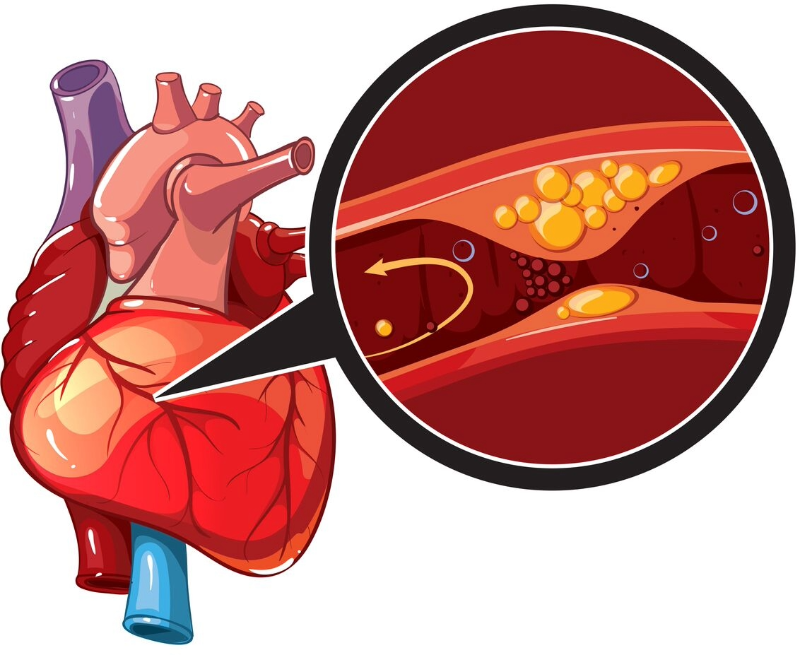
Coronary artery disease (CAD) is one of the most dangerous heart conditions and a leading cause of death. It typically becomes symptomatic in its advanced stages due to decreased blood flow to the heart muscle, gradually reducing cardiac efficiency.
This article explains how coronary artery disease develops, its symptoms, whether it can be detected on an ECG, what tests may be required, and the most common treatment options and complications.
What Is Coronary Artery Disease?
Coronary Artery Disease (CAD) is the most common type of heart disease. It refers to the narrowing or blockage of the coronary arteries due to the buildup of cholesterol and other deposits (atherosclerosis).
The coronary arteries branch off the aorta — the main artery of the heart — and surround and penetrate the heart muscle to supply it with blood. These arteries extend to all parts of the heart.
What are Symptoms of Coronary Artery Disease?
Often referred to as the "silent killer," CAD usually shows no symptoms until it becomes advanced or the patient experiences a sudden cardiac event.
Cholesterol deposits build up over many years or decades without causing symptoms. However, symptoms may appear when the artery becomes significantly narrowed, affecting the heart’s ability to pump blood.
Common symptoms include:
- Shortness of breath
- Angina (chest pain), especially during physical activity, relieved by rest or medication
- Heartburn-like discomfort
- Dizziness
- Excessive sweating
- Shoulder and arm pain
In women, symptoms may present differently:
- Shortness of breath without chest pain
- Nausea or vomiting
- Pain in the jaw or neck
- Back pain
Other possible cardiac symptoms include:
- Irregular heartbeat
- Heart weakness
- Heart failure (inability to pump blood effectively to organs)
What are Types of Coronary Artery Disease?
There are two main forms of CAD:
- Chronic Ischemia
- Blood supply to the heart gradually decreases due to progressive cholesterol buildup. Symptoms develop and worsen over time.
- Acute Coronary Syndrome (ACS)
- A sudden artery blockage occurs when a plaque ruptures, causing severe symptoms and potentially leading to a heart attack.
What are Causes of Coronary Artery Disease?
CAD results from atherosclerosis, where fats and cholesterol build up on the inner walls of coronary arteries, narrowing them and restricting blood flow.
In some cases, a piece of this plaque breaks off, forming a blood clot that may completely block the artery.
Other contributing factors include:
- High blood pressure
- Smoking
- Insulin resistance or diabetes
- Physical inactivity
What are Risk Factors for Coronary Artery Disease?
Certain risk factors significantly increase the chance of developing CAD, including:
- Aging
- High blood cholesterol
- Smoking or alcohol use
- High blood pressure
- Family history of heart disease
- Sleep deprivation or poor-quality sleep
- Chronic stress and anxiety
- Diet high in trans/saturated fats and salt
- Diabetes
- Chronic kidney disease
- Lack of physical activity
- Obesity
- Pregnancy-related issues (e.g., preeclampsia, gestational diabetes)
- Autoimmune diseases (e.g., lupus, rheumatoid arthritis)
- Sleep apnea (which lowers blood oxygen levels and increases heart strain)
Can Echocardiography Detect Coronary Artery Disease?
Yes, echocardiography (heart ultrasound) can help assess coronary artery disease. It evaluates heart wall motion and function and may detect:
- Reduced blood pumping capacity
- Structural heart abnormalities
- Blood clots
- Stiffened heart muscles
- Damaged heart muscle tissue
- Valve disorders
How is Coronary Artery Disease Diagnosed?
Diagnosis depends on physical examination, symptoms, and medical/family history. The following tests are commonly used:
- Blood tests: Measure cholesterol and lipid levels.
- Electrocardiogram (ECG): Assesses electrical signals in the heart.
- Echocardiogram: Uses ultrasound to assess the heart’s pumping ability and structure.
- Cardiac CT scan: Detects calcium and plaque buildup.
- Cardiac catheterization: A catheter is inserted through the groin and guided to the coronary artery. A contrast dye is injected to visualize blockages.
- Stress test: Evaluates heart performance during exercise (treadmill or bike), compared to rest.
What is the treatment of Coronary Artery Disease?
Treatment aims to control risk factors, improve symptoms, and prevent complications. It includes:
- Lifestyle modifications
- Managing risk factors (e.g., diabetes, hypertension)
- Medications
- Surgical interventions (in advanced cases)
What are Medications for Coronary Artery Disease?
Commonly prescribed drugs include:
- Beta-blockers: Lower blood pressure and heart rate; reduce risk of heart attacks.
- Calcium channel blockers: Used if beta-blockers are ineffective or contraindicated; reduce chest pain by widening arteries.
- Cholesterol-lowering drugs: Statins and niacin reduce cholesterol buildup in arteries.
- Blood thinners: Low-dose aspirin may help prevent clot formation.
- Nitroglycerin: Relieves angina by dilating coronary arteries (available in tablets or patches).
- ACE inhibitors: Help reduce blood pressure and strain on the heart.
Surgical Treatment of Coronary Artery Disease
If medications fail to control the disease, surgical options include:
1. Angioplasty and Stenting
A minimally invasive procedure to widen narrowed arteries using a balloon and insert a stent to keep the artery open.
2. Coronary Artery Bypass Grafting (CABG)
Recommended in severe cases with multiple blockages. A healthy artery or vein from another part of the body is grafted to bypass the blocked section and restore blood flow.
What are the Tips for Patients with Coronary Artery Disease?
- Monitor and control blood pressure
- Quit smoking
- Eat a heart-healthy diet: whole grains, fruits, vegetables, lean proteins
- Avoid saturated fats, trans fats, salt, and sugar
- Avoid alcohol
- Lose excess weight
- Exercise regularly to boost circulation and reduce stress
- Control blood sugar levels
- Monitor cholesterol levels regularly
Can Artery Blockage Lead to Death?
Yes. A blocked artery reduces or cuts off oxygen and blood supply to the heart muscle, increasing cardiac workload and the risk of:
- Heart attack
- Cardiac arrest
- Sudden death
What are Complications of Coronary Artery Disease?
- Heart failure: The heart becomes too weak or stiff to pump blood effectively.
- Angina: Triggered by physical activity when oxygen demand increases.
- Cardiac arrest: Complete artery blockage leads to loss of heart function.
- Arrhythmia: Irregular heartbeat that can become life-threatening.
Conclusion
Coronary artery disease is a common but serious condition. Its silent progression often delays diagnosis until the disease becomes advanced, when medications may no longer be sufficient and surgery becomes necessary. Early prevention through healthy lifestyle choices and routine screening is essential for managing and minimizing its risks.
If you still need to consult a doctor regarding this condition, you can easily book an appointment through Vezeeta
Related Keywords



References
Mayo Clinic. Coronary artery disease.
Retrieved from: https://www.mayoclinic.org/diseases-conditions/coronary-artery-disease/symptoms-causes/syc-20350613
American Heart Association (AHA). What is coronary artery disease?
Retrieved from: https://www.heart.org/en/health-topics/heart-attack/about-heart-attacks/what-is-coronary-artery-disease
Centers for Disease Control and Prevention (CDC). Coronary Heart Disease Facts. Retrieved from: https://www.cdc.gov/heartdisease/facts.htm
European Society of Cardiology (ESC). 2025 ESC Guidelines for the management of chronic coronary syndromes.
Retrieved from: https://www.escardio.org/Guidelines
World Health Organization (WHO). Cardiovascular diseases (CVDs).
Retrieved from: https://www.who.int/news-room/fact-sheets/detail/cardiovascular-diseases-(cvds)
Nurmohamed, N. S., et al. (2025). First myocardial infarction: Risk factors, symptoms, and medical therapy. European Heart Journal.
Retrieved from: https://academic.oup.com/eurheartj/advance-article/doi/10.1093/eurheartj/ehaf390/8181058
Saha, T., & Soliman‑Aboumarie, H. (2025). Review of current management of myocardial infarction. Journal of Clinical Medicine.
Retrieved from: https://doi.org/10.3390/jcm14176241