How to identify stroke symptoms and save someone's life in minutes
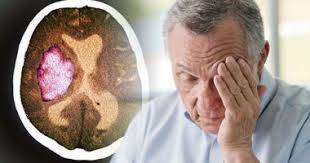
What is a stroke?
A stroke (or brain attack) is a medical emergency that occurs when the blood supply to the brain stops or is significantly reduced. This interruption prevents brain tissue from receiving oxygen and nutrients, causing brain cells to begin dying within minutes. Strokes are divided into two main types: ischemic (caused by blocked arteries) and hemorrhagic (caused by leaking or ruptured blood vessels). Rapid diagnosis is key to reducing brain damage and preventing future complications that may affect movement or speech.
What is the difference between a stroke and a brain hemorrhage?
The main difference lies in how the injury occurs. An ischemic stroke happens due to a “blockage” in an artery that prevents oxygen-rich blood from reaching the brain, while a hemorrhagic stroke occurs due to the “rupture” of a blood vessel, causing blood to leak into brain tissue or surrounding spaces. Both lead to cell death, but treatment approaches differ greatly. A blockage requires clot-dissolving medications, whereas a hemorrhage requires interventions to stop bleeding and reduce pressure inside the skull.
Causes of stroke
Stroke causes vary and include lifestyle factors and genetic predispositions, such as:
Causes related to blood vessels and the heart:
- Atherosclerosis (hardening of the arteries) and fatty plaque buildup
- Atrial fibrillation, which forms clots in the heart that can travel to the brain
- High blood pressure (the most common risk factor)
- Diabetes, which accelerates damage to blood vessels
Other common causes:
- High cholesterol
- Smoking and alcohol use
- Obesity and physical inactivity
- Sleep apnea
What causes stroke in young people?
Stroke cases among young people are increasing. Key causes include: a patent foramen ovale (a hole in the heart), inherited clotting disorders, use of hormonal contraceptives combined with smoking, and excessive stimulant use. Untreated high blood pressure is also a real risk even in the third decade of life.
Symptoms of stroke
Stroke symptoms appear suddenly, which distinguishes them from many other conditions. Key signs include:
- Sudden weakness or paralysis on one side of the face, arm, or leg
- Difficulty speaking or understanding speech
- Sudden vision problems in one or both eyes
- Severe, sudden headache with no clear cause, sometimes described as “the worst headache of my life”
- Dizziness, loss of balance, or difficulty walking
Treatment of stroke
Treatment depends entirely on the type of stroke and how quickly the patient reaches the hospital. In ischemic cases, patients receive powerful “clot-busting” drugs intravenously, usually within 4.5 hours of symptom onset. In some cases, doctors may perform procedures to remove the clot mechanically using a catheter. In hemorrhagic cases, treatment focuses on controlling blood pressure and reducing swelling, and surgery may be required to repair the ruptured vessel.
Duration of recovery from a mild stroke
A mild stroke (with minor or temporary symptoms) does not mean the danger has passed. Patients typically need:
- Hospital stay of 2 to 5 days for tests and stabilization
- Physical and occupational therapy lasting weeks to months
- Ongoing preventive medications (antiplatelets or anticoagulants)
- Even a mild stroke requires careful monitoring as it may signal a more severe stroke risk.
Post-stroke symptoms
After the acute phase, patients may experience effects depending on severity, such as:
- Partial or complete paralysis on one side of the body
- Difficulty swallowing
- Memory and thinking problems
- Depression (affecting more than one-third of survivors)
- Chronic fatigue
- Central pain caused by damage to sensory pathways in the brain
Can stroke patients recover?
Yes, many patients recover, and some recover completely. Recovery depends on several factors:
- Size and location of the stroke
- Speed of medical intervention (the “golden window” is critical)
- Patient’s age and overall health
- Commitment to rehabilitation
- The brain shows remarkable neuroplasticity, allowing it to rewire itself under the right conditions.
How can you prevent a stroke?
Prevention focuses on managing risk factors through a healthy lifestyle and regular medical follow-up:
- Monitor blood pressure regularly and follow prescribed medications
- Eat a healthy diet rich in vegetables and low in saturated fats
- Engage in moderate physical activity for 30 minutes daily
- Avoid smoking completely
- Reduce stress
- Get regular heart checkups, especially with a family history
In conclusion
A stroke is not the end, but it is an urgent call to act. Every minute without treatment means irreversible loss of brain cells. Whether you’re concerned about symptoms or supporting someone in recovery, knowledge is the first step to protection. Recognize the signs, act quickly, and commit to prevention—the brain deserves that level of care.
If you still need to consult a doctor regarding this condition, you can easily book an appointment through Vezeeta.
Related Keywords

Specialized Doctors


References
- https://www.mayoclinic.org/diseases-conditions/stroke/symptoms-causes/syc-20350113
- https://my.clevelandclinic.org/health/diseases/5601-stroke
- https://www.healthline.com/health/stroke
- https://medlineplus.gov/stroke.html
- https://www.webmd.com/stroke/default.htm
- https://www.who.int/news-room/fact-sheets/detail/stroke-cerebrovascular-accident
Specialized Doctors