Is colon cancer fatal? A comprehensive guide to symptoms and survival rates
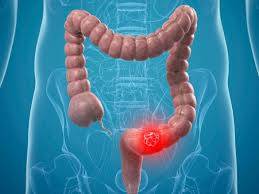
What is colon cancer?
Colon cancer develops in the large intestine, which is the lower part of the digestive tract responsible for absorbing water and salts and converting food residues into waste. The process often begins when small, non-cancerous clusters of cells called polyps form on the inner lining of the intestine. Over the years, some of these polyps may turn into malignant tumors due to genetic mutations that cause cells to divide uncontrollably and outside the body’s regulation.
Stages of colon cancer
Identifying the stages of colon cancer helps doctors determine the appropriate treatment plan and accurately assess the condition. The disease is classified from early to advanced stages as follows:
- Stage 0 colon cancer: Abnormal cells are present only in the superficial inner lining of the colon.
- Stage 1 colon cancer: The tumor has penetrated the colon wall but has not reached nearby lymph nodes.
- Stage 2 colon cancer: The disease has spread deeper into the intestinal wall or nearby tissues without lymph node involvement.
- Stage 3 colon cancer: Cancer cells have reached nearby lymph nodes but have not spread to distant organs.
- Stage 4 colon cancer: The tumor has spread to other organs such as the liver, lungs, or peritoneum.
What are the symptoms of colon cancer?
Warning signs appear when tumors develop in the large intestine. Early symptoms may resemble common digestive issues, which highlights the importance of early screening. These symptoms include:
- Persistent change in bowel habits, such as diarrhea or constipation lasting for weeks.
- Blood in the stool or noticeable rectal bleeding.
- A constant feeling of incomplete bowel emptying after defecation.
- Persistent abdominal pain and cramps accompanied by gas and bloating.
- Unexplained weight loss, sweating, and general weakness due to anemia.
Symptoms of colon cancer in women
The disease is generally the same in both genders, but colon cancer symptoms in women may overlap with hormonal changes and menstruation. Fatigue or anemia caused by internal bleeding is often mistakenly attributed to gynecological causes, which may delay diagnosis. Symptoms include:
- Severe unexplained fatigue.
- Pelvic cramps similar to menstrual pain.
- A significant drop in body iron stores.
Symptoms of late-stage colon cancer
When the disease spreads to tissues and organs outside the intestine, late-stage symptoms become more evident due to the impact on overall body functions. These include:
- Jaundice (yellowing of the skin and eyes) if the liver is affected.
- Persistent shortness of breath if the lungs are involved.
- Severe bone pain.
- Complete intestinal obstruction preventing the passage of gas or stool.
What is the difference between irritable bowel syndrome and colon cancer?
Irritable bowel syndrome causes pain related to stress or certain foods and improves after defecation. In contrast, cancer causes persistent symptoms such as weight loss, blood in the stool, and continuous changes in bowel habits.
What causes colon cancer?
The disease develops due to genetic mutations in the DNA of healthy intestinal cells, causing them to grow and multiply uncontrollably. Several risk factors increase the likelihood of developing colon cancer, including genetic and environmental factors:
- Age and family history: Risk increases after age 50 or with a family history of the disease.
- Medical history: Chronic inflammatory bowel diseases such as Crohn’s disease or ulcerative colitis.
- Diet: Excessive consumption of red and processed meats with low fiber intake.
- Physical inactivity: Lack of exercise and obesity.
- Unhealthy habits: Smoking and alcohol consumption contribute to cellular mutations.
Can colon cancer be detected in a routine blood test?
A routine blood test cannot definitively diagnose colon cancer, but unexplained anemia and low hemoglobin levels may indicate internal bleeding that requires further investigation such as a colonoscopy.
Is the entire colon removed if a tumor is found?
In most cases, surgeons remove only the affected section of the colon with safe margins and nearby lymph nodes, then reconnect the healthy parts of the intestine.
Is colon cancer fatal?
The answer depends largely on the stage at which the disease is detected. Colon cancer is not necessarily a death sentence; if diagnosed early before spreading, survival rates are high and outcomes are excellent, especially with surgical removal of the tumor.
How can colon cancer be prevented?
Simple lifestyle changes can significantly reduce the risk of developing tumors. Prevention includes:
- Eating a diet rich in whole grains, fruits, and vegetables.
- Regular exercise to maintain a healthy weight.
- Routine screening and colonoscopy after the age of 40–50.
Conclusion
Colon cancer is one of the diseases that can be detected early and effectively controlled when symptoms are noticed and regular screenings are performed, especially for high-risk individuals. Therefore, any persistent changes in the digestive system should not be ignored, as early diagnosis can make a significant difference in treatment and recovery outcomes.
If you still need medical advice regarding this condition, you can book an appointment easily through Vezeeta.
Related Keywords


Specialized Doctors



References
https://my.clevelandclinic.org/health/diseases/14501-colorectal-colon-cancer
https://emedicine.medscape.com/article/277496-overview
https://www.cancer.gov/types/colorectal/patient/colon-treatment-pdq
https://www.who.int/news-room/fact-sheets/detail/colorectal-cancer
Specialized Doctors