Crohn’s Disease: A Comprehensive Guide to Understanding Symptoms, Complications, and the Latest Treatment Options
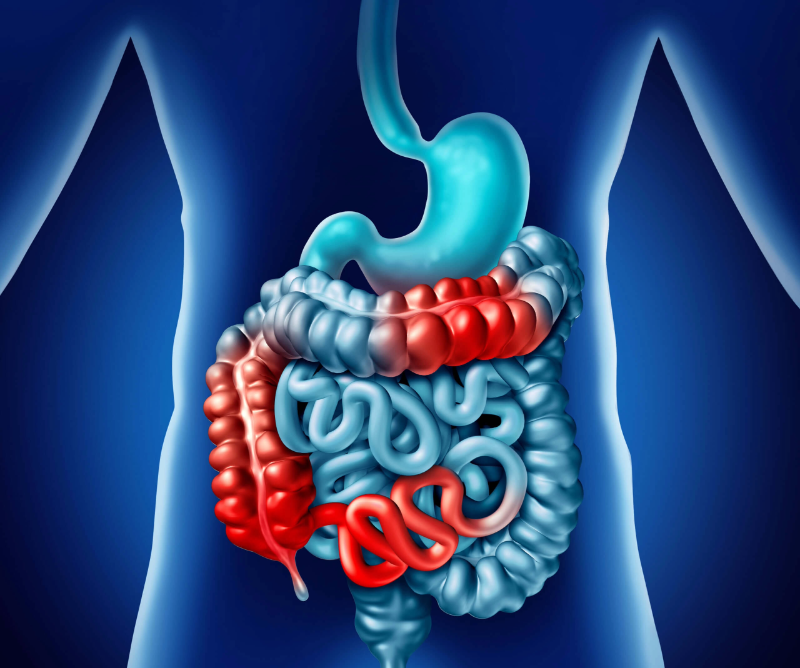
Crohn’s disease is one of the chronic inflammatory bowel diseases (IBD) that affects the digestive tract. It causes chronic inflammation in the intestinal wall and can affect any part of the digestive system, from the mouth to the anus, but most commonly the small intestine and colon.
It is considered a long-term condition that requires ongoing monitoring and treatment, as it can significantly impact a patient’s quality of life if not properly controlled.
What are Symptoms of Crohn’s Disease?
Symptoms vary from person to person depending on the severity of the disease and the area of the digestive tract affected. The most common include:
- Frequent diarrhea, sometimes with blood or mucus.
- Abdominal pain and cramping.
- Loss of appetite and unintended weight loss.
- Fever and fatigue.
- Mouth ulcers.
- Anal problems such as fissures or fistulas.
- Growth delay in children and adolescents.
What are Causes of Crohn’s Disease?
The exact cause is still unknown, but several contributing factors are believed to play a role:
- Immune factors: An abnormal immune response attacking the intestinal lining.
- Genetic factors: Higher risk if a close relative has Crohn’s disease.
- Environmental factors: Such as smoking, high-fat and high-sugar diets, and stress.
- Infections: Certain bacterial or viral infections may trigger or worsen inflammation.
How is Crohn’s Disease Diagnosed?
Diagnosis involves a combination of tests, including:
- Physical examination and review of symptoms.
- Blood tests to detect anemia or signs of inflammation.
- Stool tests to rule out infections.
- Endoscopy (colonoscopy) with biopsies for confirmation.
- Imaging tests such as MRI or CT scans to assess the extent of inflammation.
What is theTreatment of Crohn’s Disease?
There is currently no complete cure, but treatment aims to control symptoms and prevent complications.
Medications
- Anti-inflammatory drugs such as aminosalicylates and corticosteroids.
- Immunosuppressants such as azathioprine and methotrexate.
- Biologic therapies such as anti-TNF agents.
- Antibiotics for infections or abscesses.
Nutrition
- Following a balanced, low-fat, high-protein diet.
- Avoiding trigger foods such as dairy, spicy, or fatty foods.
- Taking supplements (e.g., iron, vitamin B12) when needed.
Surgery
- Required in cases resistant to medications, such as intestinal obstruction or fistulas.
What are Complications of Crohn’s Disease?
- Intestinal obstruction.
- Development of fistulas and abscesses.
- Severe bleeding.
- Osteoporosis (due to steroids or malabsorption).
- Increased long-term risk of colon cancer.
Conclusion
Crohn’s disease is a chronic condition that requires close monitoring and a comprehensive treatment plan including medications, proper nutrition, and lifestyle changes. Early diagnosis and adherence to treatment can reduce complications and improve quality of life.
If you still need to consult a doctor regarding this condition, you can easily book an appointment through Vezeeta
Related Keywords
Specialized Doctors

mohamed kamal
Senior Consultant of Internal Medicine

Ramy Behnan Wahib
Senior Consultant in Internal Medicine, Gastroenterology, Hepatology, Diabetes, and Endocrinology and heart diseases and critical conditions and heart diseases and critical conditions

Paula Gamal Ayad
Internal Medicine Specialist
References
National Institute of Diabetes and Digestive and Kidney Diseases (NIDDK).
“Crohn’s Disease.” Updated September 2017.
https://www.niddk.nih.gov/health-information/digestive-diseases/crohns-disease
Cushing, K., & Higgins, P. D. R.
“Management of Crohn Disease: A Review.” JAMA. 2021;325(1):69–80.
doi:10.1001/jama.2020.18936
Hanauer, S. B.
“Inflammatory bowel disease: epidemiology, pathogenesis, and therapeutic opportunities.” Inflamm Bowel Dis. 2006;12(Suppl 1):S3–S9.
doi:10.1097/01.MIB.0000195385.19268.68
Torres, J., Mehandru, S., Colombel, J. F., & Peyrin-Biroulet, L.
“Crohn’s disease.” Lancet. 2017;389(10080):1741–1755.
doi:10.1016/S0140-6736(16)31711-1
Crohn’s & Colitis Foundation.
“Crohn’s Disease Information.”
https://www.crohnscolitisfoundation.org/what-is-crohns-disease
Specialized Doctors
mohamed kamal
Senior Consultant of Internal Medicine
Ramy Behnan Wahib
Senior Consultant in Internal Medicine, Gastroenterology, Hepatology, Diabetes, and Endocrinology and heart diseases and critical conditions and heart diseases and critical conditions
Paula Gamal Ayad
Internal Medicine Specialist