Symptoms of Stroke, Its Causes, and How to Manage It
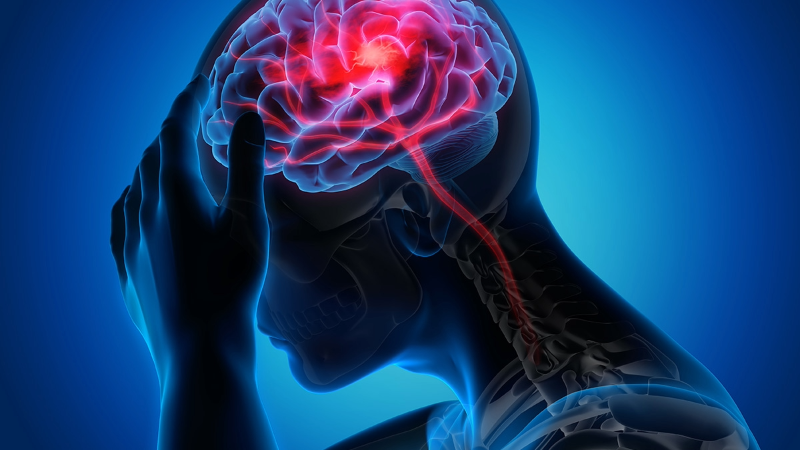
A stroke is one of the most dangerous types of clots that can affect a person, potentially marking a turning point in their life. It is often followed by many challenges.
Can a stroke patient recover? Can a stroke dissolve on its own? What are the causes and symptoms of a stroke? This is what you'll discover with us on this journey—so stay with us.
What is a Stroke?
A stroke is a medical condition that occurs when the blood supply to the brain is interrupted, depriving it of the oxygen it needs to function and survive. This causes brain cells to die within minutes.
A stroke is a medical emergency that requires immediate attention to avoid serious complications.
The effects of a stroke depend on the part of the brain affected. The patient may lose the ability to:
- Speak
- Eat
- Move
- Remember
- Control bladder muscles
- See
- Hear
What Are the Symptoms of a Stroke?
Stroke symptoms appear suddenly and vary depending on the affected area.
Common symptoms include:
- Slurred speech and confusion
- Inability to understand others
- Paralysis or weakness in limbs
- Numbness in the face, arm, or leg—typically on one side
- Blurred or lost vision
- Severe dizziness and loss of balance
- Nausea or vomiting
- Intense headache
- Sudden behavioral changes and irritability
- Seizures
- Facial drooping on one side
What Are the Early Warning Signs of a Stroke?
Strokes occur suddenly, so their symptoms cannot usually be predicted. However, certain warning signs should prompt immediate medical attention.
These signs are summarized by the acronym FAST:
- Face drooping: One side of the face sags when the person smiles.
- Arm weakness: One arm may drift downward when raised.
- Speech difficulty: Slurred or strange speech.
- Time to act: Call emergency services immediately—even if symptoms fade quickly.
What are Causes of Stroke?
Strokes result from the brain suddenly being deprived of oxygen-rich blood. There are two main types of strokes:
- Hemorrhagic Stroke: Caused by the rupture of a blood vessel, leading to bleeding into surrounding brain tissue and pressure buildup.
- Ischemic Stroke: The more common type, caused by a blockage in a major brain artery due to blood clots or fatty deposits (atherosclerosis).
What are Risk Factors for Stroke?
- Smoking
- High blood pressure
- Heart disease
- High cholesterol
- Alcohol consumption
- High red blood cell count
- Previous transient ischemic attacks (TIAs)
- Diabetes
- Heart defects or arrhythmias
- Use of recreational drugs
- Obesity
- Physical inactivity
- Oral contraceptives
Other fixed risk factors include:
- Ethnicity: Higher rates among people of African descent
- Age: Risk increases significantly after 55
- Gender: Men are more likely to have strokes; women are more likely to die from them
- Genetics
- History of previous stroke
Can a Stroke Patient Recover?
Yes—early intervention greatly improves recovery outcomes. Prompt treatment increases the chances of avoiding severe complications or managing them effectively if brain damage is limited.
How Is a Stroke Diagnosed?
Diagnosis starts with a physical exam and a review of symptoms. Additional diagnostic tests include:
- CT Scan: Identifies damaged brain areas or bleeding
- MRI: Detects changes in brain tissue and evaluates blood flow
- Carotid Ultrasound: Checks for blockages in the carotid arteries
- ECG (Electrocardiogram): Identifies heart rhythm issues
- Echocardiogram: Assesses heart structure and clots
What is the Stroke Treatment?
Emergency treatment starts immediately to reduce damage. Treatment depends on:
- Patient’s age
- Stroke type and cause
- Severity of the condition
- Medical history
- Stroke location
Hemorrhagic Stroke:
Focuses on stopping bleeding and reducing pressure.
Ischemic Stroke:
Aims to dissolve clots with medications or surgical intervention.
What are Medications Used in Stroke Treatment?
- Life support measures: Stabilize vital signs using IV fluids, oxygen, or ventilators
- Anticoagulants and thrombolytics: Dissolve clots—ideally within 3 hours of onset
- Neuroprotective agents: Prevent further brain damage
- Anti-inflammatory drugs: Reduce brain swelling
What are Surgical Treatment for Stroke?
Some cases require surgery to:
- Relieve pressure in the brain
- Remove clots
- Repair damaged vessels
- Carotid endarterectomy: Removes plaque from carotid arteries
- Carotid stents: Keeps narrowed arteries open
- Other procedures: Fix heart-related issues contributing to strokes
What is the Rehabilitation After Stroke?
Since strokes can impact daily function, rehabilitation is essential:
- Cognitive therapy: Restores thinking and behavioral skills
- Speech therapy: Rebuilds language and communication
- Physical therapy: Improves movement and muscle strength
- Sensory training: Helps adapt to loss of sensation
Is Stroke Dangerous?
Yes—stroke can lead to:
- Partial or complete paralysis
- Loss of vision or hearing
- Death
When Can Stroke Be Fatal?
A stroke can be fatal if it affects critical brain areas like those controlling breathing.
Lack of oxygenated blood to the brain or heart for extended periods may also cause cardiac failure and death.
Which Is More Dangerous: Heart Attack or Stroke?
Stroke is generally considered more dangerous due to the brain’s vital role in controlling body functions. Damage to brain cells can be life-threatening.
How to Prevent Stroke?
Adopt a healthy lifestyle:
- Maintain a healthy weight
- Eat a low-fat, low-cholesterol diet
- Manage stress
- Quit smoking and avoid alcohol
- Exercise regularly
- Take prescribed medications (blood thinners, antihypertensives, etc.)
In Conclusion
A stroke is a life-altering event if not treated promptly. Early recognition of symptoms and swift medical action can save lives and minimize complications. Stay informed, stay prepared.
If you still need to consult a doctor regarding this condition, you can easily book an appointment through Vezeeta
Related Keywords



References
World Health Organization (WHO). Stroke – Key Facts.
Available at: https://www.who.int/news-room/fact-sheets/detail/stroke
Centers for Disease Control and Prevention (CDC). Stroke: Signs and Symptoms.
Available at: https://www.cdc.gov/stroke/signs-symptoms
Centers for Disease Control and Prevention (CDC). Stroke: Treatment.
Available at: https://www.cdc.gov/stroke/treatment
American Stroke Association (ASA). Stroke Warning Signs and Symptoms.
Available at: https://www.stroke.org/en/about-stroke/stroke-symptoms
Mayo Clinic. Stroke: Symptoms and Causes.
Available at: https://www.mayoclinic.org/diseases-conditions/stroke/symptoms-causes
Cleveland Clinic. Stroke: Types, Symptoms, Diagnosis & Treatment.
Available at: https://my.clevelandclinic.org/health/diseases/5601-stroke
National Institute of Neurological Disorders and Stroke (NINDS). Stroke Information Page.
Available at: https://www.ninds.nih.gov/health-information/disorders/stroke
National Health Service (NHS). Stroke – Overview, Causes & Treatment.
Available at: https://www.nhs.uk/conditions/stroke