Types of Cardiac Catheterization, Their Uses, and How It Is Performed
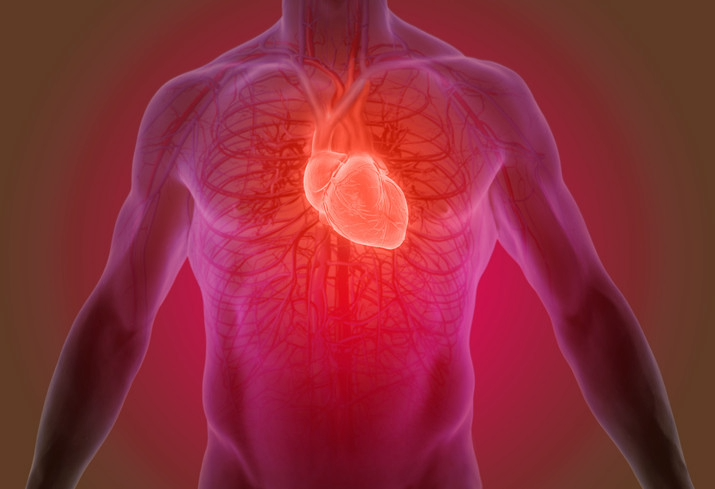
Cardiac catheterization is one of the most precise diagnostic methods for heart diseases and conditions. It is also used to evaluate heart function and treat certain problems such as valve replacement—without the need for major surgery.
In this article, you'll learn everything about the procedure, including its uses, types, and the essential steps taken before, during, and after the operation.
What Is Cardiac Catheterization?
Cardiac catheterization is an imaging procedure used by doctors in specific cases to confirm a diagnosis, assess the severity of a heart problem, and sometimes even treat the issue during the same session.
The catheter is a thin, flexible, hollow tube that the doctor inserts through a large blood vessel in the arm or groin, guiding it toward the coronary arteries of the heart.
The procedure requires specific precautions before and after its performance, which the doctor explains thoroughly to the patient before final approval.
Why Is Cardiac Catheterization Performed?
Catheterization is not performed for all heart patients. It is recommended in certain situations, including:
- Assessing the efficiency of the heart muscle
- Taking a biopsy of the heart muscle or a blood sample from within the heart to analyze its composition and oxygen levels
- Confirming diagnoses when other tests are inconclusive
- Treating specific heart issues without open-heart surgery
- Gathering precise information about heart health prior to surgery
- Confirming or ruling out a specific diagnosis
What are Diagnostic Uses of Cardiac Catheterization?
Cardiac catheterization helps diagnose many heart conditions and may also provide treatment in the same session. Uses include:
- Identifying problems in pulmonary and coronary arteries
- Diagnosing diseases like pulmonary hypertension, cardiomyopathy, mitral regurgitation, atherosclerosis, and congenital heart defects
- Preparing for heart transplant procedures
- Determining the cause of unexplained chest or heart pain
- Detecting and assessing holes in the heart in children, using contrast dye to visualize blood flow and heart function
- Placing stents in narrowed arteries
- Performing angioplasty to clear blockages
- Repairing defects like septal heart defects
What are Types of Cardiac Catheterization?
Cardiac catheterization is divided into two main types:
- Right Heart Catheterization
- Measures blood pressure and oxygen levels by passing the catheter through vessels leading to the right side of the heart via the neck, elbow, or leg.
- Left Heart Catheterization
- Used for imaging and identifying blockages in the arteries by inserting the catheter through the wrist, arm, or leg toward the left side of the heart.
How Long Does Cardiac Catheterization Take?
The procedure typically takes around 30 minutes. However, if additional interventions are needed, it may take longer.
Including patient preparation and post-procedure recovery, the total time can reach 8–9 hours, during which the patient undergoes various necessary assessments.
Is Cardiac Catheterization Dangerous?
The term "catheterization" often causes fear in patients. But this fear generally subsides once they understand the procedure’s steps and importance.
While cardiac catheterization is generally safe, like any medical procedure, it carries some risks ranging from mild to serious, such as:
- Mild pain at the catheter insertion site
- Infection at the entry point
- Bruising or bleeding
- Damage to blood vessels or formation of clots
- Temporary arrhythmias
- Tearing of artery lining or sudden blockage
- Chest pain and reduced blood flow to the heart
- Air embolism
- Heart attack or stroke
- Kidney damage from contrast dyes
What are Pre-Procedure Preparations?
Before the procedure, several important steps are required to ensure success and reduce complications:
- A physical exam and review of medical and medication history
- Discussing allergies—especially to contrast dyes—and pregnancy status
- Conducting tests such as:
- Blood tests
- Blood pressure measurement
- ECG
- X-rays, CT, or ultrasound
- Cardiac MRI
- Stress testing
Patient Instructions:
- Stop or adjust certain medications, especially those for diabetes (e.g., Metformin), aspirin, or anticoagulants
- Limit food and fluid intake, and fast for several hours before the procedure
- Have someone accompany you to and from the hospital
- Bring necessary personal items in case hospitalization is needed
What are Steps of Cardiac Catheterization?
Performed by a specialized cardiac surgeon, the procedure includes:
- Removing jewelry or items that might interfere with imaging
- Inserting an IV line and connecting the patient to ECG and vital sign monitors
- Cleaning and possibly shaving the insertion area (often the groin)
- Administering mild sedation and local anesthetic at the insertion site
- Guiding the catheter through a large blood vessel to the heart
- Using a small camera or injecting contrast dye for clearer imaging
- Performing minor repairs if needed, like closing a heart defect
- Removing the catheter and sealing the entry point
Note: The patient stays awake because the doctor may ask for specific movements (e.g., turning the head, coughing, holding breath) to improve imaging.
What is the Post-Procedure Recovery?
After catheterization, the recovery process begins. The patient is monitored for 4–12 hours for:
- Vital signs
- Entry site status
- Pain, bleeding, or complications
Recovery Tips:
- Avoid moving the catheterized limb for 2–6 hours
- Keep the head elevated less than 30 degrees
- Drink plenty of fluids to flush out the dye
- Use a bedpan if needed to avoid movement
- Have a companion for the ride home
- If the trip is long, stop every hour to let the patient walk 5–10 minutes
- Contact the doctor if symptoms like chest pain, dizziness, fever, or unusual signs occur
- Avoid strenuous activity for 2–5 days
- Avoid swimming for a week
- Take medications exactly as prescribed
How Much Does Cardiac Catheterization Cost?
The cost varies based on several factors:
- Whether it's done in a clinic or large hospital
- Location (affluent vs. mid-range areas)
- Surgeon’s expertise
- Patient’s health status and preparation needs
- Purpose: diagnosis only vs. therapeutic intervention
- Hospital stay duration
Conclusion
Cardiac catheterization is a non-surgical procedure used to diagnose and treat certain heart conditions. It only requires a small skin incision to pass a thin tube into the heart in a matter of minutes.
It is generally safe—especially when performed by a skilled surgeon—and patient recovery depends greatly on following pre- and post-procedure instructions carefully.
If you still need to consult a doctor regarding this condition, you can easily book an appointment through Vezeeta
Related Keywords



References
Mayo Clinic. Cardiac catheterization.
Available at: https://www.mayoclinic.org
Cleveland Clinic. Cardiac Catheterization: Procedure, Risks & Recovery.
Available at: https://my.clevelandclinic.org
American Heart Association (AHA). Cardiac Catheterization and Coronary Angiography. Available at: https://www.heart.org
National Heart, Lung, and Blood Institute (NHLBI). What Is Cardiac Catheterization?
Available at: https://www.nhlbi.nih.gov
Johns Hopkins Medicine. Cardiac Catheterization.
Available at: https://www.hopkinsmedicine.org
MedlinePlus. Cardiac Catheterization. U.S. National Library of Medicine.
Available at: https://medlineplus.gov