Depression Symptoms and Treatment… When Does Depression End?
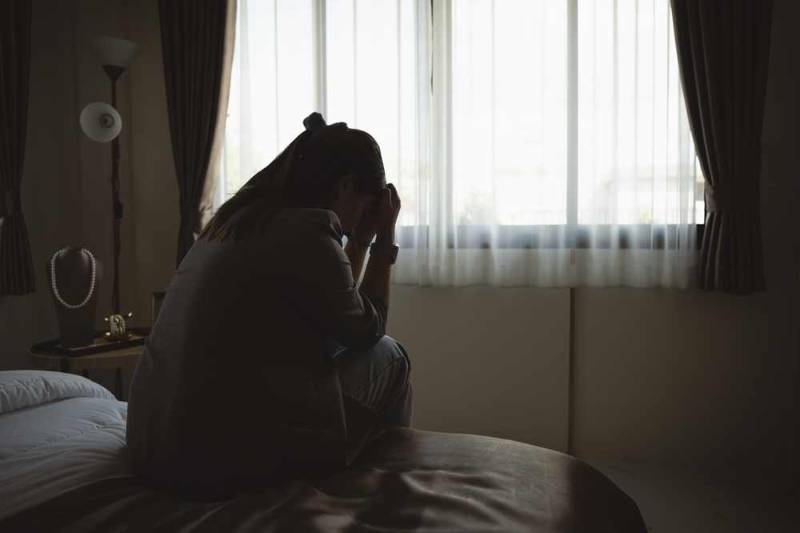
Depression is one of the most common mental health disorders, characterized by persistent sadness and hopelessness, which can significantly impact a person's thoughts, sleep, and overall lifestyle. Therefore, it's crucial to highlight the symptoms and treatment of depression to avoid worsening the condition and prevent potentially life-threatening complications.
In this article, we outline the symptoms and causes of depression in both women and men, the best possible treatments, and the dangers of untreated depression and how to prevent them.
What Are the Symptoms of Depression?
Depression symptoms can affect people of all ages but are more prevalent in women. Many cases go undiagnosed due to the reluctance of individuals to seek medical help.
Symptoms vary in severity and may be physical or psychological, often impacting behavior and social interactions.
What are Physical Symptoms of Depression?
If you're struggling with depression, you may experience the following physical symptoms:
- Fatigue and loss of interest.
- Insomnia or disturbed sleep.
- Slowed movements and speech.
- Appetite changes that affect weight.
- Unexplained aches and fatigue.
- Constipation.
- Difficulty concentrating.
- Frequent headaches.
- Muscle cramps.
- Digestive issues.
- Chest tightness.
- Irregular heartbeats.
- Low libido.
What are Psychological Symptoms of Depression?
Depression often begins with mild symptoms that may seem temporary, but without treatment, they can worsen significantly.
Key psychological symptoms include:
- Low self-esteem.
- Persistent fear or anxiety.
- Loss of interest in enjoyable activities.
- Difficulty making decisions.
- Mood swings.
- Constant sadness.
- Heightened sensitivity.
- Guilt and self-blame.
- Suicidal thoughts – among the most severe symptoms.
- Feeling worthless.
What are Social Symptoms of Depression?
Depression also affects how individuals interact with others, leading to:
- Avoiding favorite activities.
- Social withdrawal and isolation.
- Reduced academic or work productivity.
- Substance abuse or addiction.
- Neglecting hobbies.
What are Postpartum Depression Symptoms?
After childbirth, mothers face immense responsibilities and hormonal shifts. These changes can trigger postpartum depression, with symptoms like:
- Frequent crying.
- Feelings of sadness and hopelessness.
- Sleep issues.
- Poor appetite.
- Difficulty focusing.
- Anxiety and constant worry.
- Guilt and self-doubt.
- Loss of joy in previously enjoyed activities.
In severe cases:
- Lack of interest or attachment to the baby.
- Thoughts of harming the baby.
- Suicidal ideation.
What are Types of Depression?
Depression comes in several forms, including:
1. Major Depressive Disorder (MDD)
Persistent low mood and loss of interest lasting at least two weeks.
- Melancholic Depression: Includes severe physical and psychological symptoms.
- Psychotic Depression: Involves hallucinations or delusions.
2. Bipolar Disorder (Manic Depression)
Characterized by extreme mood swings:
- Depressive episodes similar to MDD.
- Manic episodes with symptoms like agitation, hyperactivity, insomnia, and rapid speech.
3. Persistent Depressive Disorder (Dysthymia)
Similar to MDD but milder and chronic, lasting at least two weeks.
4. Postpartum Depression
Triggered by hormonal shifts and new responsibilities after childbirth. It can affect both mothers and fathers.
5. Cyclothymic Disorder
A milder form of bipolar disorder with alternating periods of hypomania and mild depression.
6. Seasonal Affective Disorder (SAD)
Depressive episodes occur in a specific season, most commonly winter, and resolve in spring.
What are Causes of Depression?
Depression varies by individual, age, and gender. Contributing factors include:
Environmental Causes
- Chronic stress.
- Side effects of medications.
- Loss of a loved one.
- Divorce or relationship issues.
- Job insecurity or unemployment.
- Chronic illness.
- Financial loss.
- Abuse or bullying.
- Substance abuse.
Hormonal Causes
Imbalances in brain neurotransmitters (e.g., dopamine, serotonin) can lead to depression, especially in women during:
- Menopause.
- PMS (premenstrual syndrome).
- Pregnancy or postnatal period.
- Use of hormonal contraceptives.
In men and adolescents, hormonal causes include:
- Puberty-related changes.
- Low testosterone due to:
- Radiation or chemotherapy.
- Testicular injury or removal.
- Pituitary gland disorders.
- Autoimmune diseases.
- Aging.
How Is Depression Diagnosed?
Diagnosis involves a medical history review, symptom assessment, and physical tests to rule out other conditions. Common diagnostic tools include:
- Hamilton Depression Rating Scale (HDRS): A 21-question evaluation.
- Beck Depression Inventory (BDI): Measures symptom severity.
What is the Treatment for Depression?
Treatment depends on symptom severity and may include:
Medication
Antidepressants adjust neurotransmitter levels in the brain. Options are selected based on the patient's response and side effects. Additional medications might include:
- Antipsychotics.
- Anti-anxiety drugs.
- Mood stabilizers.
- Stimulants.
Psychotherapy
Cognitive Behavioral Therapy (CBT) helps patients understand and manage thoughts and emotions. The therapist supports the patient in overcoming negative patterns.
Brain Stimulation Therapy
Used for severe or psychotic depression unresponsive to other treatments:
- Transcranial Magnetic Stimulation (TMS): Stimulates brain cells with magnetic pulses.
- Electroconvulsive Therapy (ECT): Applies small electric currents to trigger neurotransmitter activity.
- Vagus Nerve Stimulation (VNS): Calms brain activity by stimulating the vagus nerve.
Can Depression Be Treated at Home?
While not a replacement for medical treatment, home strategies can help:
- Eat a balanced, healthy diet.
- Avoid alcohol.
- Get adequate sleep.
- Engage in social and group activities.
- Practice relaxation techniques (e.g., meditation, yoga).
What are Complications of Untreated Depression?
Untreated depression can escalate and seriously affect quality of life:
- Social isolation and family strain.
- Weight gain and physical illness.
- Substance abuse.
- Job loss or academic failure.
- Suicide attempts or self-harm.
Can Depression Be Prevented?
Complete prevention isn't always possible, but risks can be reduced by:
- Managing stress constructively.
- Seeking support when needed.
- Maintaining healthy sleep routines.
- Engaging in relaxing and positive activities.
Conclusion
Depression can affect anyone, regardless of age or gender, and symptoms range from mild to severe. Early diagnosis and appropriate treatment are key to preventing complications and improving well-being. Don’t hesitate to seek help—your mental health matters.
If you still need to consult a doctor regarding this condition, you can easily book an appointment through Vezeeta
Related Keywords



References
World Health Organization (WHO). Depression. Available at: https://www.who.int
National Institute of Mental Health (NIMH). Depression. Available at: https://www.nimh.nih.gov
Mayo Clinic. Depression (major depressive disorder). Available at: https://www.mayoclinic.org
American Psychiatric Association (APA). Practice Guideline for the Treatment of Patients With Major Depressive Disorder. Available at: https://www.psychiatry.org
National Health Service (NHS, UK). Depression. Available at: https://www.nhs.uk