What are the best ways to treat migraines?
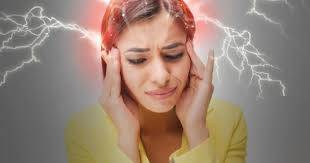
Imagine waking up in the morning feeling as if someone is hammering a nail into the side of your head, accompanied by nausea and extreme sensitivity to light and sound, to the point that even the slightest noise becomes unbearable! This is what a migraine sufferer experiences during each attack. It is not just a passing headache but a real neurological disorder that deserves understanding and proper treatment.
What is a Migraine?
Migraine is a chronic neurological disorder characterized by recurrent episodes of severe head pain, usually on one side, whether it’s a right- or left-sided migraine, though in some cases, it can affect both sides simultaneously.
Migraines are among the most common neurological disorders in the world, affecting about one billion people globally. The pain progresses through several stages: the prodrome (pre-attack), the aura (in some patients), the acute attack, and the postdrome (after the attack).
What Are the Symptoms of Migraine?
Migraine symptoms vary from person to person, but the most common include:
- Pulsing or stabbing pain on one or both sides of the head.
- Nausea and vomiting.
- Extreme sensitivity to light (photophobia) and sound.
- Visual aura in about one-third of cases: visual disturbances such as seeing wavy lines or bright spots, usually occurring 20–60 minutes before the attack.
- Difficulty concentrating and thinking clearly.
- Severe fatigue after the attack ends.
A single migraine attack can last from 4 to 72 hours if untreated.
What’s the Difference Between a Regular Headache and a Migraine?
Many people wonder about the difference. A regular tension headache is usually mild to moderate, affects the entire head, does not interfere with daily activities, and is not accompanied by nausea or light sensitivity.
In contrast, a migraine is clearly different: the pain is severe and throbbing, often localized to one side of the head, can significantly disrupt daily activities, and is frequently accompanied by nausea or vomiting. Sometimes it is preceded by a visual aura, such as seeing unusual lights or lines.
Causes and Triggers of Migraine
Migraine causes are multifactorial, involving genetics and environmental factors.
- Genetics: If one parent has migraines, the likelihood of children developing them increases.
- Triggers include:
- Hormonal changes, especially those related to the menstrual cycle in women.
- Diet: consuming salty foods, aged cheeses, or excessive caffeine.
- Psychological stress: stress and anxiety are major triggers.
- Sensory stimuli: bright lights, strong smells, or loud sounds.
- Sleep disturbances: too little or too much sleep.
Why Are Women More Affected?
Women are about three times more likely than men to suffer from migraines, mainly due to hormonal fluctuations. Estrogen plays a significant role, particularly when its level drops before menstruation, causing menstrual migraines.
Migraines can also appear or worsen during other hormonal changes, such as menopause, use of hormonal contraceptives, or pregnancy (although some women notice improvement during the later months of pregnancy).
Immediate Migraine Relief
At the onset of an attack, the goal is to stop it as quickly as possible:
- Retreat to a quiet, dark room.
- Apply cold compresses to the forehead or back of the head.
- Take pain medication as soon as possible; delays reduce effectiveness.
- Stay hydrated.
- Sleep if possible; it helps shorten the attack.
Medications for Migraine
Migraine medications are divided into two main categories:
1. Acute treatment (during attacks):
- Simple pain relievers: ibuprofen, aspirin, paracetamol—for mild to moderate attacks.
- Triptans (e.g., sumatriptan): first-line for severe attacks; they constrict blood vessels and block pain signals.
- Anti-nausea medications: used alongside pain relievers to control vomiting.
2. Preventive treatment (for frequent attacks):
Prescribed when attacks occur more than 4 times a month, including:
- Beta blockers (e.g., propranolol).
- Tricyclic antidepressants.
- Anti-seizure medications (e.g., topiramate, valproate).
Important: Always consult your doctor before taking any medication, especially if you are pregnant or have chronic illnesses.
Non-Medication Migraine Relief
Home strategies can help, such as sitting in a dark, quiet room, applying cold compresses, practicing relaxation techniques, maintaining regular meals, and staying hydrated.
Is Migraine Chronic?
Yes, migraines can become chronic. Chronic migraine is defined as having 15 or more headache days per month, with at least 8 meeting migraine criteria, for at least 3 consecutive months.
Risk factors for chronic migraine include:
- Overuse of painkillers (more than 10–15 days per month).
- Obesity.
- Chronic depression or anxiety.
- Sleep disorders.
When Is a Headache a Warning Sign?
Not every severe headache is a migraine. Seek immediate medical attention if you have:
- Thunderclap headache: sudden severe pain peaking within seconds, may indicate brain hemorrhage.
- Headache with fever and stiff neck: may indicate meningitis.
- Headache with weakness, speech difficulty, or vision problems: possible stroke symptoms.
- A new, different headache you’ve never experienced before.
- Headache worsening gradually over days or weeks.
In conclusion, migraine is not a sign of weakness or exaggeration—it is a real neurological disease that requires accurate diagnosis and a well-planned treatment approach. Understanding your triggers and seeking timely treatment can help you regain control of your day. Don’t delay consulting a specialist if your attacks are frequent; today’s treatment options are better than ever.
If you still need a doctor’s consultation for this condition, you can easily book an appointment through Vezeeta.
Related Keywords

Specialized Doctors



References
- https://www.mayoclinic.org/diseases-conditions/migraine-headache/symptoms-causes/syc-20360201
- https://my.clevelandclinic.org/health/diseases/5005-migraine-headaches
- https://www.healthline.com/health/migraine
- https://www.medicalnewstoday.com/articles/148373
- https://medlineplus.gov/migraine.html
- https://www.webmd.com/migraines-headaches/migraines-headaches-migraines
- https://pubmed.ncbi.nlm.nih.gov/33316494/
- https://www.who.int/news-room/fact-sheets/detail/headache-disorders
Specialized Doctors