Struggling with Acidity: Effective Home Remedies for Heartburn Relief
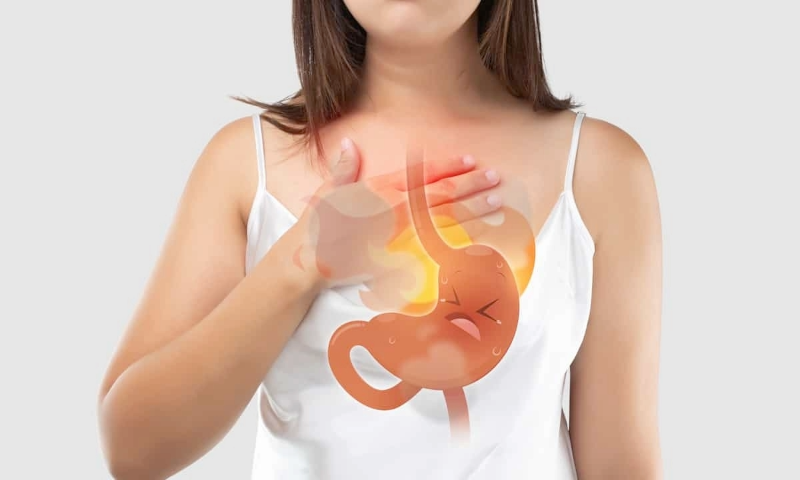
Imagine enjoying your favorite meal, only to suddenly feel a burning pain in your chest — that uncomfortable sensation millions of people worldwide experience, known as heartburn.
Although common, there are many effective strategies to manage heartburn and its annoying symptoms at home. In more severe cases, medications or even surgical interventions may be needed to control the underlying causes.
What does heartburn indicate?
Heartburn refers to a burning sensation in the middle of the chest, behind the breastbone. It occurs when stomach acid flows back into the esophagus. Despite its name, it has nothing to do with the heart. The esophagus runs close to the heart, which makes the burning feel as though it’s coming from the heart itself.
Heartburn can affect people unexpectedly and is often triggered by acidic meals or increased abdominal pressure, as in pregnancy. Occasional heartburn usually doesn’t require treatment and can be controlled at home. However, when frequent, or if it’s linked to a chronic condition such as GERD (gastroesophageal reflux disease), medical evaluation and treatment are necessary.
What are Symptoms of Heartburn?
The main symptom is a burning sensation in the chest, which can last from a few minutes to several hours, depending on severity and diet.
Other symptoms may include:
- Nausea
- Regurgitation of food
- Bitter or sour taste in the mouth
- Belching
Sometimes, patients may also experience:
- Hoarseness or laryngitis
- Difficulty swallowing
- Cough
- Bloating
- Feeling of fullness
- Sore throat
- Chest pain
Symptoms usually worsen in situations like:
- Eating late at night
- Lying down on the back
- Bending over
- Consuming acidic or spicy foods
Causes of Heartburn
Heartburn may occur due to:
- Overweight/obesity
- Aging, which weakens esophageal muscles and valves
- Certain medications
- Pregnancy, due to hormonal changes and abdominal pressure
Persistent causes (GERD and complications):
Normally, a muscular valve separates the esophagus from the stomach, preventing reflux. When weakened, repeated reflux occurs, leading to GERD. Contributing factors include:
- Indigestion and gas buildup
- Certain foods (citrus fruits, tomatoes, chocolate, coffee, peppermint)
- Medications (blood pressure drugs, contraceptives, NSAIDs)
- Hiatal hernia
- Overeating
- Tight clothing or pregnancy-related pressure
- Smoking
- Lying down right after meals
Other complications may include esophagitis, esophageal ulcers, or functional heartburn unrelated to acid reflux.
Heartburn in Pregnancy – Myth vs Fact
Heartburn is common in pregnancy due to hormonal shifts and fetal pressure on the stomach. However, there is no proven link between heartburn and the baby’s gender, contrary to popular belief.
Diagnosis of Heartburn
Doctors usually diagnose heartburn based on symptoms alone. For chronic cases, further tests may include:
- Endoscopy – to examine the esophagus and stomach lining
- pH monitoring – to measure acid levels
- X-rays with contrast – to detect structural issues
- Esophageal manometry – to assess muscle contractions
- Ambulatory acid test – to track acid exposure over time
Natural Remedies for Heartburn
Mild heartburn can often be managed at home by:
- Avoiding late-night meals
- Wearing loose-fitting clothing
- Eating smaller, more frequent meals
- Elevating the upper body while sleeping
- Avoiding alcohol and smoking
- Chewing sugar-free gum to stimulate saliva production
- Managing weight
Helpful foods include:
- High-fiber foods (whole grains, oats, vegetables)
- Alkaline foods (nuts, bananas, cauliflower, melons, fennel)
- Herbal remedies (ginger, turmeric, licorice root, caraway)
Foods and drinks to avoid:
- Spicy foods
- Chocolate, mint
- Fatty and fried foods
- Acidic fruits and juices (oranges, lemons, tomatoes, pineapple)
- Alcohol, caffeinated drinks, sodas
- Cheese and salty snacks
Helpful drinks include:
- Skimmed milk
- Yogurt
- Water
- Non-acidic juices (carrot, melon, pear)
- Herbal teas (ginger, chamomile)
Medical Treatment
When lifestyle changes are insufficient, medications may help:
- Antacids – neutralize stomach acid (short-term relief)
- H2 blockers – reduce acid production
- Alginate therapy – forms a barrier against reflux
- Proton pump inhibitors (PPIs) – strongest acid suppressors, promote healing
- Other medications for underlying causes (antibiotics, antivirals, steroids, neuromodulators)
Surgical Options (for severe GERD):
- Fundoplication – strengthens the barrier between the esophagus and stomach
- LINX device – magnetic ring to prevent reflux
- Hiatal hernia repair
When is Heartburn Dangerous?
Occasional heartburn is harmless, but chronic reflux can cause:
- Esophageal cancer (rare but serious)
- Esophageal strictures (narrowing due to scar tissue)
- Barrett’s esophagus (precancerous changes in esophageal lining)
Conclusion : Heartburn isn’t just a small nuisance — if frequent, it can signal more serious health problems. Don’t ignore persistent symptoms. Use lifestyle changes, natural remedies, and medical guidance to protect your digestive and overall health.
If you still need to consult a doctor regarding this condition, you can easily book an appointment through Vezeeta
Related Keywords



References
Mayo Clinic. (2023). Heartburn - Symptoms and causes.
https://www.mayoclinic.org/diseases-conditions/heartburn/symptoms-causes
National Health Service (NHS). (2024). Heartburn and acid reflux.
https://www.nhs.uk/conditions/heartburn-and-acid-reflux
American College of Gastroenterology (ACG). (2021). Guidelines for the diagnosis and management of gastroesophageal reflux disease.
https://gi.org/guideline/diagnosis-and-management-of-gerd
U.S. Food and Drug Administration (FDA). (2022). Over-the-Counter (OTC) Heartburn Treatment.
https://www.fda.gov/drugs/understanding-over-counter-medicines/over-counter-otc-heartburn-treatment
WebMD. (2024). Treating Heartburn With Over-the-Counter Medicines.
https://www.webmd.com/heartburn-gerd/treating-heartburn-over-counter-medicine
Harvard Health Publishing. (2022). 9 ways to relieve acid reflux without medication.
https://www.health.harvard.edu/newsletter_article/9-ways-to-relieve-acid-reflux-without-medication
Katz, P.O., Dunbar, K.B., Schnoll-Sussman, F.H., Greer, K.B., Yadlapati, R.H., & Spechler, S.J. (2022). ACG Clinical Guideline for the Diagnosis and Management of Gastroesophageal Reflux Disease. American Journal of Gastroenterology, 117(1), 27–56.
https://pubmed.ncbi.nlm.nih.gov/34906437