Medical Articles about Chest and Respiratory
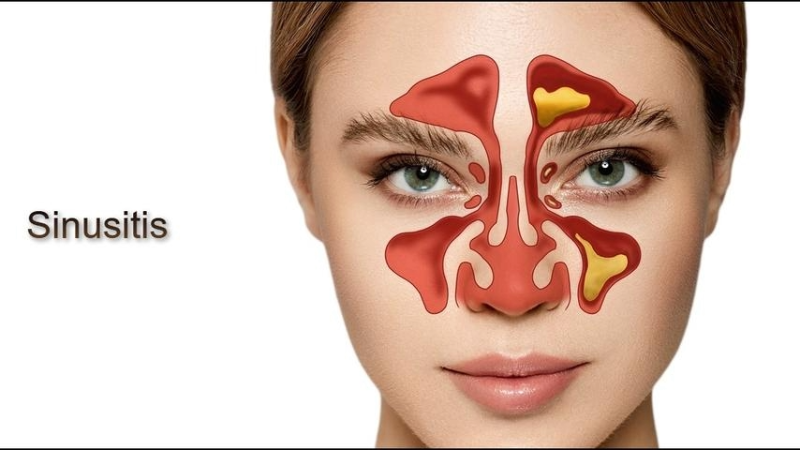
Do you feel a persistent heaviness in your head? Here is your ultimate guide to understanding and treating sinusitis
Is it a cold or sinusitis? If you're struggling with facial pressure and a stuffy nose, it’s time to find out. Learn how to distinguish between allergies and sinus infections, and explore effective ways to reclaim your comfort and breathe deep.

Bronchiolitis symptoms
Do you experience a persistent cough that bothers you or slight shortness of breath? These could be symptoms of bronchitis speaking for themselves. They are not just a passing nuisance, but a sign from your airways that there is irritation or an infection that needs treatment. In this article, we will simply explain everything related to the symptoms of bronchitis, how to manage them, and when it becomes necessary to consult a doctor.

Treatment of Bronchitis and Its Causes
Bronchitis is a respiratory infection that causes difficulty in breathing along with persistent coughing and chest congestion. It is essential to understand the causes and the various treatment methods for bronchitis.

Symptoms of Sinusitis and the Most Effective Home Remedies
Sinusitis symptoms are among the most common respiratory issues that affect many people. They typically appear as nasal congestion, severe headaches, and thick mucus discharge, and in many cases, they can be treated at home.
Understanding the Mechanism of Asthma: The First Step Toward Controlling It
Asthma is one of the chronic respiratory diseases that requires ongoing treatment to improve breathing and prevent any asthma attacks. Neglecting treatment can pose a serious risk to the patient's life. Some of its causes include…

Causes and Symptoms of the Common Cold and How to Treat It at Home
By following proper health precautions and measures, cold symptoms can improve quickly. Therefore, it’s important to take the prescribed cold medications as directed by your doctor and to increase your intake of warm fluids to speed up recovery.

How to Face the Challenge of Bronchitis?
"Bronchitis is a respiratory condition that causes coughing and difficulty breathing. Discover the causes and symptoms of both acute and chronic bronchitis, along with treatment methods and prevention strategies."

Does a deviated nasal septum affect your health and daily life?
"A deviated nasal septum is the displacement of the wall that divides the nose into two symmetrical halves, leading to aesthetic concerns, breathing difficulties, and other complications. Therefore, medical or surgical intervention may be necessary."

Symptoms, Causes, and Treatment of Pulmonary Fibrosis
"Pulmonary fibrosis is one of the most serious chronic lung diseases, in which lung tissue loses its elasticity and becomes thicker and stiffer. It results from a combination of factors and requires intensive care to manage the symptoms."