Symptoms of Sinusitis and the Most Effective Home Remedies
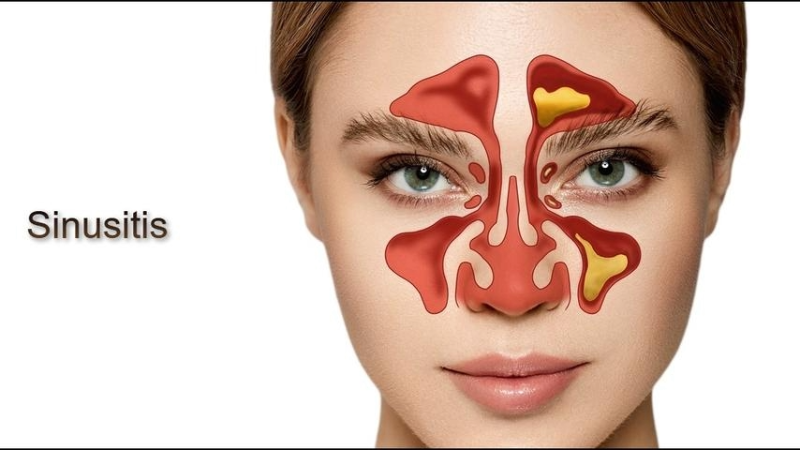
Sinusitis symptoms are among the most common respiratory issues affecting millions of people around the world. They typically present as nasal congestion, severe headaches, and thick mucous discharge. While generally not dangerous, they can be highly uncomfortable and significantly impact quality of life.
In this article, we provide everything you need to know about sinusitis, its causes, and treatments in detail, including the best home remedies and practical measures.
What Are the Sinuses?
Sinuses are hollow cavities within the bones of the face, connected to the nasal passages. The sinuses are located in:
- Behind the cheeks
- Above the eyebrows
- Upper jaw
- Around the nose
Their main function is to produce mucus that drains through nasal passages, helping keep the nose clean and free of bacteria, allergens, and other pathogens.
Sinusitis occurs when the thin mucous membranes lining these cavities become inflamed, often due to viral or bacterial infection. In many cases, sinus inflammation resolves on its own.
What are Sinusitis Symptoms?
Common symptoms include:
- Runny nose
- Thick yellow or green mucus
- Nasal congestion or blockage
- Pain around the eyes, cheeks, forehead, and jaw
- Ear pressure or fullness
- Headache
- Toothache
- Reduced sense of smell
- Cough
- Bad breath
- Sore throat
- Fever
What are Causes of Sinusitis?
Sinusitis can be triggered by viruses, bacteria, fungi, or allergens. Common triggers include:
- Common cold
- Influenza (flu)
- Streptococcus pneumoniae
- Haemophilus influenzae
- Moraxella catarrhalis
- Seasonal allergic rhinitis
What are Types of Sinusitis?
Sinusitis is categorized by its duration or cause:
- Acute viral sinusitis: Lasts less than 4 weeks; usually caused by a cold virus.
- Subacute sinusitis: Lasts between 4 to 12 weeks.
- Chronic sinusitis: Lasts more than 12 weeks; often caused by bacteria.
- Recurrent sinusitis: Occurs 4+ times a year with symptoms lasting less than 2 weeks each time.
- Fungal sinusitis: Rare but more severe than viral or bacterial forms.
Can Sinusitis Affect the Eyes or Brain?
Yes, in some cases. Acute sinusitis can spread to adjacent areas like the eyes and, rarely, the brain. Infection may travel through connecting channels to the eyes, causing secondary eye inflammation.
In rare instances, sinus infection can spread to the brain, leading to meningitis or brain abscess. Prompt treatment is essential to prevent these serious complications.
Can Sinusitis Cause Fatigue and Dizziness?
Yes. Sinus inflammation can cause fatigue and dizziness, especially when airflow is blocked in the nasal passages, leading to shortness of breath and a sense of lightheadedness.
What are Risk Factors for Sinusitis?
You are more likely to get sinusitis if you have:
- Allergic rhinitis (hay fever)
- Asthma
- Nasal polyps
- Deviated nasal septum
- Weakened immune system
- Exposure to smoke
What is the difference between Sinusitis vs. Allergic Rhinitis?
The two conditions may be confused, but there are key differences:
| Allergic RhinitisSinusitis | |
| Caused by allergens | Caused by infection or blockage |
| Sneezing and itchy eyes/nose | Facial pain, thick mucus, fever |
| Clear mucus | Yellow/green thick mucus |
What is Sinusitis Treatment?
It’s important to seek medical diagnosis and treatment to avoid complications. Treatment options include:
Medications
- Antibiotics (for bacterial sinusitis):
- Augmentin
- Amoxicillin
- Doxycycline
- Levofloxacin
- Cefixime
- Cefpodoxime
- Clindamycin
- Decongestants (oral or nasal)
- Steroid nasal sprays (short-term use only: 3–5 days)
- Antihistamines (nasal sprays or tablets)
- Leukotriene receptor antagonists, e.g., Montelukast
- Surgery: In cases of deviated septum, polyps, or fungal infection
What are Home Remedies for Sinusitis?
Mild sinus infections can often be managed at home with:
- Adequate rest
- Plenty of fluids
- Pain relievers like paracetamol or ibuprofen (Do not give aspirin to children under 16)
- Avoiding allergens and smoke
- Nasal saline rinses
- Steam inhalation
What are Prevention Tips?
To prevent sinus infections:
- Avoid close contact with people who have colds or respiratory infections
- Steer clear of allergens
- Wash hands frequently
- Avoid smoking and polluted air
- Use a humidifier and keep it clean
Conclusion
Sinusitis is a common but manageable condition that can cause discomfort and affect daily life. Although symptoms may be painful or severe, most cases respond well to appropriate treatment and improve over time. Early detection and care can help prevent complications and restore your respiratory comfort.
If you still need to consult a doctor regarding this condition, you can easily book an appointment through Vezeeta
Related Keywords
Specialized Doctors



References
Saudi Ministry of Health – Sinusitis
https://www.moh.gov.sa/HealthAwareness/EducationalContent/Diseases/Mouth-ear-throat/Pages/Sinusitis.aspx
Mayo Clinic – Acute Sinusitis (Symptoms & Causes)
https://www.mayoclinic.org/ar/diseases-conditions/acute-sinusitis/symptoms-causes/syc-20351671
Mayo Clinic – Acute Sinusitis (Home Treatment & Self-Care)
https://www.mayoclinic.org/ar/diseases-conditions/acute-sinusitis/diagnosis-treatment/drc-20351677
Egypt Health Authority – Causes and Symptoms of Sinusitis
https://eha.gov.eg/ar/medical-info/causes-of-sinusitis/causes-of-sinusitis/
Al-Masry Al-Youm – 5 Home Remedies to Relieve Sinusitis Symptoms
https://www.almasryalyoum.com/news/details/3405735
Specialized Doctors