Symptoms, Causes, and Treatment of Pulmonary Fibrosis
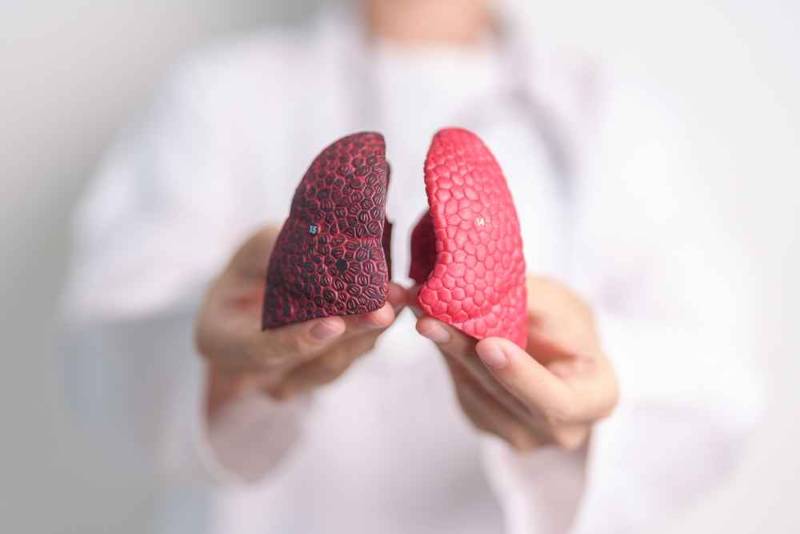
There’s nothing more distressing than the feeling of being unable to breathe — as if your lungs have turned into stiff, lifeless structures incapable of moving smoothly and allowing air in and out. This is the daily struggle for those living with pulmonary fibrosis.
So, what causes pulmonary fibrosis? What are its symptoms? And are there any cases of complete recovery? Let’s explore all this and more below.
What is Pulmonary Fibrosis?
Pulmonary fibrosis is one of the most serious chronic lung diseases, and it commonly affects men over the age of 50. It occurs when lung tissues and alveoli lose their elasticity and become thicker and stiffer due to scarring, significantly impairing lung function and causing shortness of breath.
While the exact cause isn’t always clear, the condition arises from various factors. It’s a life-threatening disease that requires intensive management to control symptoms and support breathing.
What are Symptoms of Pulmonary Fibrosis?
Symptoms vary between mild and advanced cases. They may take months or even years to develop depending on the patient's health. Common symptoms include:
- Fatigue and tiredness
- Shortness of breath during physical activity, which may later occur even at rest
- Unexplained weight loss
- Poor appetite
- Muscle, bone, or chest pain
- Persistent dry cough
- Clubbing of the fingers (widening and rounding of the fingertips)
- Bluish skin around the lips or eyes due to low oxygen levels
- Swelling in the legs
What are Causes of Pulmonary Fibrosis?
Although the exact cause is often unknown, it's believed that pulmonary fibrosis in older adults results from cumulative factors over the years, including:
- Infections
- Certain medications
- Environmental pollution
- Smoking
Additional risk factors include:
- Occupational exposure: Working in environments with dust, fumes, or chemicals (e.g., mining, glass factories)
- Gender: More common in men
- Age: Most cases occur between 50–70 years
- Smoking: Both active and passive smoking increase risk
- Cancer treatments: Radiation or chemotherapy to the chest area can damage lung tissue
- Underlying illnesses: Pneumonia and viral infections may contribute to fibrosis
- Medications: Some antibiotics, painkillers, or heart medications may cause lung damage
- Genetics: Some families have a genetic predisposition to pulmonary fibrosis
How is Pulmonary Fibrosis Diagnosed?
The diagnostic process begins with a review of the patient’s symptoms and medical history. It may then include:
- Physical exam: Listening to the lungs during breathing and observing the patient’s physical responses
- Blood tests: To rule out other conditions and evaluate systemic effects
- Lung function tests: Measure lung capacity and efficiency
- Imaging tests: Chest X-rays or CT scans to detect lung scarring
- Pulse oximetry: A sensor measures blood oxygen levels during a 6-minute walk
- Exercise tests: Assess how lungs perform under physical stress
- Arterial blood gas test: Measures oxygen and carbon dioxide levels in arterial blood
- Echocardiogram: Evaluates heart function and pressure on the right side of the heart
- Lung biopsy: Involves taking a small tissue sample using a bronchoscope or minor surgical procedure
Can Pulmonary Fibrosis Be Cured?
Unfortunately, there is no definitive cure for pulmonary fibrosis. The damage and scarring are irreversible, and current treatments focus on managing symptoms and slowing disease progression.
What are Treatment Options?
Oxygen Therapy
Administered under medical supervision, oxygen therapy helps:
- Improve sleep quality
- Increase comfort
- Prevent complications of low blood oxygen
- Ease breathing
- Reduce pressure on the heart
Medications
Used to slow disease progression and improve lung function. Common drugs include:
- Nintedanib
- Pirfenidone
Pulmonary Rehabilitation
This holistic program helps patients breathe better and live more comfortably through:
- Breathing techniques
- Gentle, regular exercise
- Nutritional guidance
- Psychological and social support
Lung Transplant
Some patients may benefit from a lung transplant to improve quality of life and survival. This is a complex procedure requiring donor matching to avoid rejection.
What are Complications of Pulmonary Fibrosis?
Patients and families often wonder: Is pulmonary fibrosis dangerous? Sadly, yes. If unmanaged, the disease can lead to:
- Lung cancer: Though not the same, fibrosis may increase cancer risk
- Pulmonary hypertension: Scarring raises pressure in lung arteries
- Right-sided heart failure: Due to strain from pulmonary hypertension
- Respiratory failure: Caused by critically low oxygen levels
- Infections and blood clots
What are Tips for Living with Pulmonary Fibrosis?
To improve daily life and slow disease progression, consider the following:
- Quit smoking immediately and avoid secondhand smoke
- Get adequate rest and reduce stress
- Eat a nutritious diet with small, frequent meals
- Stay current with vaccinations
- Exercise regularly with mild activities
Conclusion
Pulmonary fibrosis is a chronic, progressive lung condition that demands careful attention. Although it can’t be cured, managing the symptoms through medications, oxygen therapy, and lifestyle adjustments can help patients breathe more comfortably and lead fuller lives. Always consult a healthcare provider to determine the best care plan for your condition.
If you still need to consult a doctor regarding this condition, you can easily book an appointment through Vezeeta
Related Keywords



References
Mayo Clinic
Pulmonary Fibrosis – Symptoms and Causes
https://www.mayoclinic.org/diseases-conditions/pulmonary-fibrosis/symptoms-causes/syc-20353690
National Heart, Lung, and Blood Institute (NHLBI)
Pulmonary Fibrosis
https://www.nhlbi.nih.gov/health/pulmonary-fibrosis
American Lung Association
Pulmonary Fibrosis
https://www.lung.org/lung-health-diseases/lung-disease-lookup/pulmonary-fibrosis
National Health Service (NHS)
Pulmonary Fibrosis
https://www.nhs.uk/conditions/pulmonary-fibrosis/
MedlinePlus – U.S. National Library of Medicine
Pulmonary Fibrosis
https://medlineplus.gov/pulmonaryfibrosis.html