Does a deviated nasal septum affect your health and daily life?
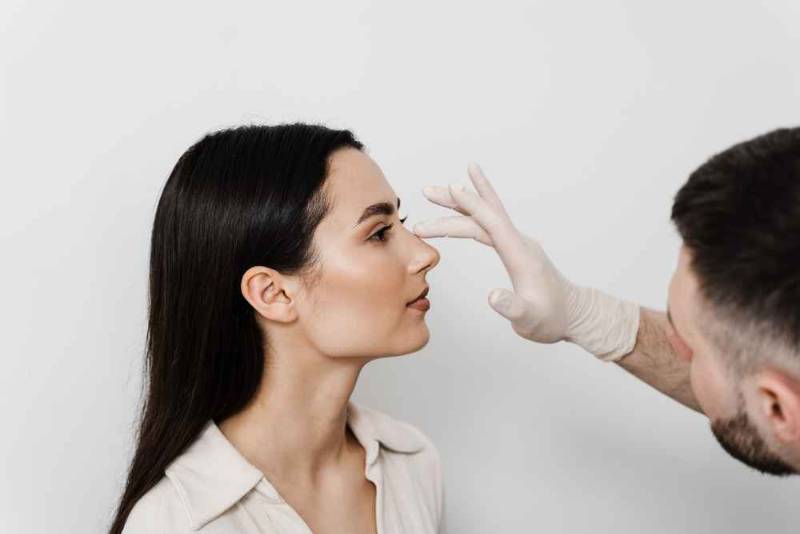
The nose plays a vital role in regulating the airflow in and out of the lungs. As the front gate of the respiratory system, any disturbance in its structure—such as a deviated nasal septum—can obstruct this process and lead to several complications.
In this article, we explore the main causes of septal deviation, available treatment options, and whether it can lead to shortness of breath or other symptoms.
What Is a Deviated Nasal Septum?
A deviated or crooked nasal septum refers to a shift in the thin wall that divides the nasal cavity into two equal parts, making one nostril wider than the other.
This septum is made up of both bony and cartilaginous components. About 80% of people have a mild deviation that does not affect breathing or nasal function.
However, severe deviations can lead to problems such as:
- Nasal obstruction
- Impaired sense of smell
- Sleep apnea
What are Symptoms of a Deviated Nasal Septum?
Mild deviations may not cause any symptoms, but in more severe cases—especially when combined with enlarged turbinates—symptoms may include:
- Difficulty breathing
- Frequent nosebleeds
- Recurrent nasal congestion
- Headaches
- Chronic sinus infections
- Noisy breathing
- Sleep disturbances or sleep apnea
- Facial pain
- Snoring
- Visible changes in nasal shape
- Reduced sense of smell
- Post-nasal drip
- Needing to sleep on one side to breathe better
What are Causes of Septal Deviation?
A deviated septum can occur due to:
- Congenital deformities present at birth
- Trauma to the nose, such as:
- Falls
- Blows to the face during contact sports
- Serious accidents (e.g., car crashes)
- Genetic conditions like Marfan syndrome, which affects connective tissue
- Developmental changes during growth that cause the septum to bend to one side
How Is It Diagnosed?
You can try a simple self-assessment:
- Close one nostril with your finger and breathe through the other.
- Repeat with the opposite nostril.
- Compare airflow from each side.
For an accurate diagnosis, consult a doctor. They may use a nasal speculum or endoscope to widen the nostril and inspect the septum's alignment and airflow.
Doctors will also ask about:
- Impact on breathing
- Sense of smell
- Other related symptoms
What is the Treatment of Deviated Nasal Septum?
Mild deviations often don’t require treatment. However, if breathing problems or complications arise, medical or surgical interventions may be necessary.
Can a Deviated Septum Be Treated Without Surgery?
No, the actual deviation cannot be corrected without surgery.
However, medications and home remedies can help relieve symptoms and improve airflow.
Common treatments include:
- Steroid nasal sprays: Reduce inflammation and improve breathing
- Antihistamine nasal sprays: Help relieve allergy-related symptoms like congestion or runny nose. Caution is needed, especially before driving due to potential drowsiness
- Decongestants: Available as pills or nasal drops. They reduce swelling but should not be used for more than 3 days to avoid rebound congestion
- Nasal strips: External strips that help keep the nostrils open
- Saline nasal drops: Moisturize and cleanse the nasal passages
Herbal Remedies for a Deviated Septum
While they don’t correct the deviation, some herbs may help reduce inflammation and open the airways:
- Ginger: Antibacterial and anti-inflammatory properties
- Turmeric: Contains curcumin, known for its anti-inflammatory and antioxidant effects
- Licorice root: Helps reduce inflammation, fights infection, and expels mucus
When Is Surgery Necessary?
Surgery may be required if:
- Medications fail to control symptoms
- The patient suffers from significant breathing issues or complications
Surgical options include:
- Septoplasty
- Septorhinoplasty
- Submucosal resection
- Turbinate reduction surgery
Septoplasty (Septal Deviation Surgery)
This procedure aims to straighten and reposition the septum, by removing or reshaping bone and cartilage.
- It can be performed under local or general anesthesia
- Surgeons usually wait until the patient is at least 15 years old to ensure nasal growth is complete
- According to patient outcomes, 85% experience significant improvement
- Surgery typically lasts 60–90 minutes
Septorhinoplasty (Septal and Cosmetic Surgery)
This combines septal correction with external nasal reshaping and is performed by a qualified cosmetic surgeon.
3D imaging is used to simulate the expected outcome and ensure it fits the patient’s facial features.
- Recovery takes about 1–2 weeks
- Post-op care includes medications to reduce swelling and bruising
Submucosal Resection
Similar to septoplasty, this technique removes parts of the cartilage under the mucosal layer to straighten the septum and open the airway.
Turbinate Reduction Surgery
Turbinates are thin, bony structures inside the nose covered with soft tissue. When swollen, they can block airflow.
Surgery removes excess tissue to widen the nasal passage and improve breathing.
- Full recovery takes up to two months
- Most swelling and discomfort resolve in 2–3 days
Can Septoplasty Be Performed Using Laser?
Yes. Laser technology may be used to assist in the surgery by:
- Making precise incisions instead of using scalpels
- Controlling bleeding
- Stimulating collagen production, which may enhance healing
What is the Cost of Septoplasty in Egypt?
Prices vary depending on:
- The surgical technique used
- Whether laser was involved
- Type of anesthesia
- Surgeon’s expertise
- Location of the clinic or hospital
Can You Live with a Deviated Septum?
Only the patient can decide whether the symptoms are tolerable or if medical or surgical correction is needed.
Many people with mild deviation manage well with nasal sprays and saline rinses.
Is a Deviated Nasal Septum Dangerous?
Yes — severe deviation can cause:
- Sleep disturbances due to poor nighttime breathing
- Dry mouth, from mouth-breathing
- Nasal pressure and congestion
Conclusion
A deviated nasal septum is more than just a cosmetic issue—it can seriously affect your health and quality of life if left untreated.
If you're experiencing breathing difficulties or other symptoms, don't hesitate to consult a doctor to explore medical or surgical options.
If you still need to consult a doctor regarding this condition, you can easily book an appointment through Vezeeta
Related Keywords



References
Mayo Clinic – Deviated Septum
https://www.mayoclinic.org/diseases-conditions/deviated-septum
Cleveland Clinic – Deviated Septum
https://my.clevelandclinic.org/health/diseases/16924-deviated-septum
WebMD – Deviated Septum Overview
https://www.webmd.com/allergies/deviated-septum
NHS (UK) – Deviated Septum
https://www.nhs.uk/conditions/deviated-septum/
American Academy of Otolaryngology (AAO-HNS) – Nasal Septum Deviation
https://www.enthealth.org/conditions/deviated-septum