Why are liver tests important, and how do you read them?
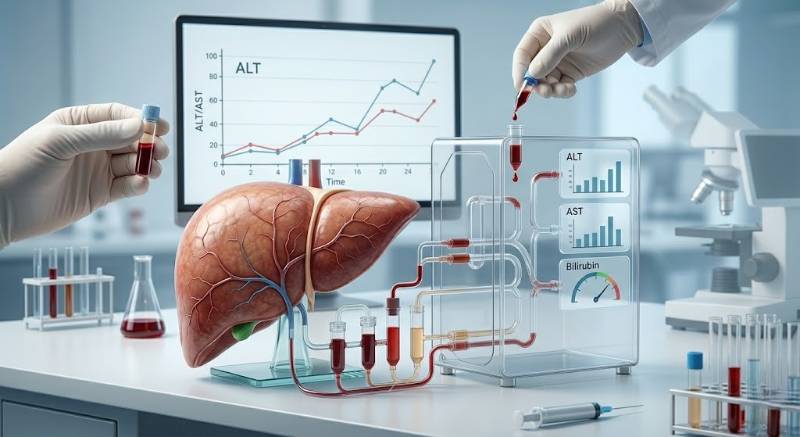
What are the functions of the liver in the human body?
The liver is not just an ordinary organ—it is a fully integrated chemical laboratory located in the upper right side of the abdomen. Its key functions include producing proteins that help blood clotting, and storing vitamins, minerals, and glucose for energy when needed. It also plays a central role in producing bile اللازمة for fat digestion, and in breaking down chemicals, medications, and toxins to eliminate them safely and continuously.
What are the signs of liver dysfunction?
Symptoms may not be obvious at first, but as the condition progresses, warning signs begin to appear, including:
- Jaundice: Yellowing of the skin and the whites of the eyes due to bilirubin buildup.
- Changes in excretion: Dark urine (tea-colored) and pale or clay-colored stool.
- Digestive issues: Sudden loss of appetite, persistent nausea, and pain or bloating in the upper right abdomen.
- Skin and physical symptoms: Severe itching, easy bruising, and chronic fatigue that does not improve with rest.
When does a doctor request a liver function test?
A doctor may order liver function tests when symptoms of liver dysfunction appear or to monitor certain conditions. Common reasons include:
- Yellowing of the skin or eyes (jaundice)
- Abdominal pain or swelling
- Family history of liver disease
- Monitoring side effects of certain medications
- Conditions such as diabetes and high blood pressure
How to read liver function test results
When you receive your results, you will see several indicators reflecting liver health. Interpreting them requires looking at multiple markers, especially enzymes and proteins. These include aminotransferases, bilirubin, and albumin.
Elevated enzymes usually indicate inflammation or damage to liver cells, while protein levels reflect the liver’s ability to produce essential substances. Together, they provide a comprehensive picture of liver health and disease stage.
What are the normal ranges for liver function?
Normal values may vary depending on the lab and equipment used, but common adult ranges are:
- ALT (SGPT): 7–55 U/L (more specific to the liver)
- AST (SGOT): 8–48 U/L
- Total bilirubin: Less than 1.2 mg/dL
- Albumin: 3.5–5.0 g/dL
What is the difference between SGOT and SGPT?
SGPT (also known as ALT) is primarily found in the liver, making it a highly specific marker. If it is elevated, the cause is usually directly related to the liver.
SGOT (AST), however, is found in the liver as well as in the heart and muscles. Doctors often use the ratio between them to determine the source of the issue and differentiate between chronic liver disease and other acute conditions.
Does SGPT indicate fatty liver?
Yes, elevated SGPT can be an early sign of fatty liver disease. Fat accumulation in liver cells can cause mild inflammation, leading to enzyme leakage into the bloodstream. However, it cannot confirm the diagnosis alone—additional tests like ultrasound are needed.
Can gallbladder issues raise liver enzymes?
Yes. Because the liver and gallbladder are closely connected through bile ducts, gallstones can cause blockages that lead to bile backflow and affect liver cells. This can raise enzymes like ALP, and sometimes SGPT and SGOT.
Is there a difference between “fatty liver” and “fat on the liver”?
Medically, both terms refer to the same condition: fatty liver disease. There is no fundamental difference. However, “fat on the liver” is often used informally for early stages, while “fatty liver” is the clinical term, which may progress to non-alcoholic steatohepatitis (NASH) if untreated, potentially leading to liver fibrosis over time.
Causes of elevated liver function tests
Several factors can lead to elevated liver enzymes, including:
- Obesity
- Alcohol consumption
- Viral infections such as hepatitis
- Overuse of certain medications (e.g., high doses of painkillers), which may cause temporary liver toxicity
Tips to maintain normal liver function
To keep liver function within a healthy range:
- Maintain a healthy weight
- Avoid foods high in saturated fats and refined sugars
- Drink enough water
- Exercise regularly
- Avoid smoking and secondhand smoke
- Commit to regular checkups for early detection of any changes
What foods can raise liver enzymes?
An unhealthy diet is a major contributor. The most harmful foods include:
- Artificial fructose: Found in soft drinks and processed sweets
- Trans fats: Found in fried foods, fast food, and baked goods
- Excess salt: Contributes to fluid retention and liver strain
- Processed meats: Contain preservatives that increase the burden on detoxification
Conclusion
Liver function tests are a valuable diagnostic tool, but they should not be interpreted in isolation. A single elevated enzyme does not necessarily indicate a serious disease, and numbers alone are not enough. Your doctor needs to consider your symptoms, medical history, and medications to make an accurate diagnosis. If your results are concerning, do not delay scheduling a consultation.
If you still need to consult a doctor regarding this condition, you can easily book an appointment through Vezeeta.
Related Keywords



References
https://www.mayoclinic.org/tests-procedures/liver-function-tests/about/pac-20394595 https://www.healthline.com/health/liver-function-tests https://my.clevelandclinic.org/health/diagnostics/17662-liver-panel https://medlineplus.gov/lab-tests/liver-function-tests https://www.webmd.com/hepatitis/liver-function-tests