Hepatitis B Virus Symptoms and Complications… Can a Patient Recover from Hepatitis B?
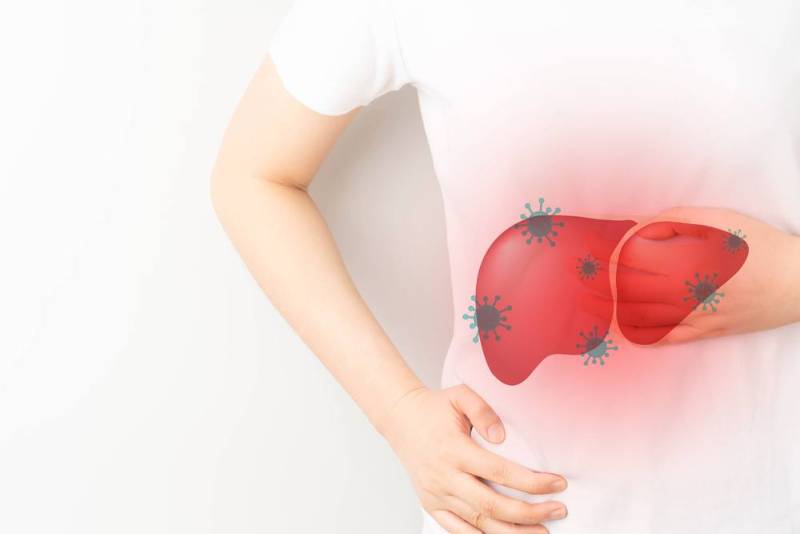
Hepatitis B is one of the most common infectious liver diseases, transmitted through various body fluids. It poses a serious risk to those infected, especially if the virus reaches the liver and is not eliminated by the immune system.
In this article, we explore the symptoms, complications, and causes of hepatitis B, and answer common questions such as: Can hepatitis B be cured? Can it be transmitted between spouses?
What is Hepatitis B?
Hepatitis B is a viral infection that primarily targets the liver. Most patients experience a short-term illness, but in some cases, the infection can become chronic and lead to serious liver problems.
The condition is medically referred to as viral hepatitis B, as the virus causes inflammation and scarring of liver tissues over time.
It is among the most widespread liver infections globally, with an estimated 1 in 3 people having been exposed to it and nearly 250 million individuals living with chronic hepatitis B.
What are Symptoms of Hepatitis B?
Many people with chronic hepatitis B show no symptoms and may only discover the infection after complications arise.
Symptoms typically appear 2 to 6 months after exposure and may last from 6 weeks to 6 months, depending on the severity of the infection.
Common symptoms of active hepatitis B include:
- Fever
- Loss of appetite
- Nausea and vomiting
- Yellowing of the skin and eyes (jaundice)
- Joint and bone pain
- Dark yellow urine
- Fatigue
- Skin rash
- Pain in the right side of the abdomen
- Pale or gray stool
- Swelling in the legs or abdomen
What are Causes of Hepatitis B?
Hepatitis B is caused by the hepatitis B virus (HBV), which is transmitted through body fluids:
1. Bloodborne Transmission
- Receiving contaminated blood transfusions
- Sharing sharp objects (e.g., razors, toothbrushes)
- Using contaminated needles (e.g., IV drug use)
- Accidental needle sticks in healthcare settings
- Transmission from infected mother to baby during childbirth
- Tattooing or body piercing with unsterilized equipment
2. Saliva
The virus can be transmitted in rare cases through saliva by kissing or sharing utensils with an infected person.
3. Sexual Transmission
Unprotected sexual contact can spread the virus through semen or vaginal fluids.
What are Risk Factors of Hepatitis B?
Certain groups are more likely to contract hepatitis B, including:
- Individuals from Africa, the Middle East, parts of South America, and Eastern Europe
- People with HIV/AIDS
- IV drug users
- Those receiving immunosuppressants or chemotherapy
- Infants and young children (higher risk of chronic infection)
- Living with an infected person
- Healthcare workers exposed to blood
What are Types of Hepatitis B?
Hepatitis B can be categorized into two forms:
- Acute infection: Lasts less than 6 months and often resolves on its own without medication. It rarely causes liver damage.
- Chronic infection: Persists beyond 6 months, especially when the immune system fails to clear the virus. Over time, it can lead to cirrhosis and liver failure.
What is the Diagnosis of Hepatitis B?
Doctors may suspect hepatitis B based on symptoms like abdominal pain and jaundice, and confirm with:
- Blood tests: Determine whether the infection is acute or chronic and evaluate the immune response.
- Liver biopsy: A needle is inserted through the skin to extract a liver sample and assess tissue damage.
- Ultrasound with elastography: Evaluates liver stiffness and extent of fibrosis.
What are the Recovery and Prognosis of Hepatitis B?
- Around 90% of adults recover completely from acute hepatitis B.
- About 10% of adults develop chronic infection.
- Among infected children, up to 50% may develop chronic hepatitis B due to weaker immune defenses.
Can Inactive Hepatitis B Be Cleared from the Body?
In acute infections, the immune system often clears the virus.
However, once the virus becomes chronic, it remains in the body indefinitely. Treatment focuses on managing symptoms and limiting liver damage.
How to Get Rid of Hepatitis B?
To help the immune system fight the infection, doctors may recommend:
- Rest and proper hydration
- Healthy, balanced nutrition
- Immunoglobulin injections within 24 hours of exposure
- Hepatitis B vaccine for long-term protection
- Antiviral medications in severe or chronic cases
- Regular monitoring to assess viral activity
What is the Chronic Hepatitis B Treatment?
Treatment depends on the severity of infection and liver damage. It may include:
1. Antiviral Medications
These reduce the virus’s replication and slow liver damage. Common antivirals include:
- Entecavir
- Telbivudine
- Lamivudine
- Tenofovir
- Adefovir
2. Interferon Therapy
A protein-based injection that boosts the immune response and can lead to long-term remission, especially in younger patients or women planning pregnancy.
Side effects may include nausea, breathing difficulties, vomiting, and depression.
3. Liver Transplant
In advanced liver failure, the damaged liver is replaced with a healthy donor liver, often from a deceased donor.
How Long Can Someone with Hepatitis B Live?
- Acute hepatitis B rarely causes death.
- In chronic cases, disease progression varies:
- Some individuals live symptom-free for decades.
- Others may develop severe complications.
- Estimated mortality rates:
- 15% of adults with chronic hepatitis B
- 25% of infected children
Which Is More Dangerous: Hepatitis B or C?
Despite the availability of a vaccine for hepatitis B, it is often considered more dangerous than hepatitis C due to:
- A higher risk of developing liver cancer
- 5–10x greater transmission rate
- The virus’s ability to remain dormant in liver cells
- The lack of a definitive cure, unlike hepatitis C
What are Complications of Hepatitis B?
If left untreated, chronic hepatitis B may lead to:
- Liver cirrhosis
- Liver failure
- Liver cancer
- Damage to other organs, such as the kidneys and blood vessels
What are the Prevention Ways of Hepatitis B?
Hepatitis B can be prevented through:
- Vaccination
- Avoiding recreational drug use
- Using sterile needles for tattoos or piercings
- Not sharing personal items with infected individuals
- Practicing safe sex (e.g., condom use) if a partner is infected
Conclusion
Hepatitis B is a highly contagious and potentially life-threatening liver infection.
Its symptoms depend on the infection’s severity. While acute cases can be cured, chronic cases require long-term management to prevent serious liver damage.
Early detection, vaccination, and proper medical care are key to living a healthy life with or after hepatitis B.
If you still need to consult a doctor regarding this condition, you can easily book an appointment through Vezeeta
Related Keywords
Specialized Doctors

Nabila Hassan
Consultant of Hepatology, Gastroenterology and Endoscopy

Nadia Elwan
Prof. of Tropical Medicine, Tanta University.

Mohamed Said Abdel Aziz
Consultant and Professor of Hepatogastroenterology and liver Transplantation - Kasr Al Ainy - Cairo University
References
Mayo Clinic. Hepatitis B: Symptoms & Causes.
Available at: https://www.mayoclinic.org
Centers for Disease Control and Prevention (CDC). Hepatitis B.
Available at: https://www.cdc.gov/hepatitis/hbv
World Health Organization (WHO). Hepatitis B.
Available at: https://www.who.int/news-room/fact-sheets/detail/hepatitis-b
MedlinePlus. Hepatitis B.
Available at: https://medlineplus.gov
National Health Service (NHS). Hepatitis B.
Available at: https://www.nhs.uk
Specialized Doctors
Nabila Hassan
Consultant of Hepatology, Gastroenterology and Endoscopy
Nadia Elwan
Prof. of Tropical Medicine, Tanta University.
Mohamed Said Abdel Aziz
Consultant and Professor of Hepatogastroenterology and liver Transplantation - Kasr Al Ainy - Cairo University