Cirrhosis Uncovered: How to Spot, Treat, and Prevent Liver Damage
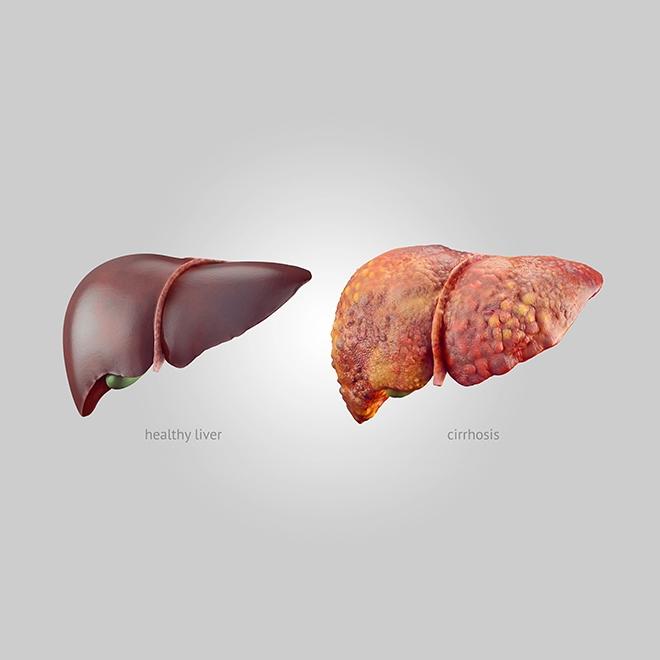
The liver is exposed to many risks that affect its efficiency and functions. Cirrhosis may seem mild at first, but it gradually develops, leading to liver scarring and impaired liver function.
In this article, we review the symptoms and causes of cirrhosis and explore whether recovery is possible and what treatments are available.
What is Cirrhosis?
Liver cirrhosis is the transformation of liver tissue into fibrous tissue due to the formation of multiple permanent scars after exposure to certain factors or hepatitis. Cirrhosis represents an advanced stage of various liver diseases.
Scarring leads to liver failure in detoxifying blood, producing enzymes necessary for digestion and storage, and performing its immune functions.
The liver can regularly repair damaged cells, which is the basis for liver transplant surgeries that involve taking a portion of a healthy donor liver and transplanting it into the patient, allowing the cells to multiply and form a new liver.
However, the liver cannot regenerate scarred cells and tissue, especially when scars dominate most of the liver, causing it to fail in performing other essential functions.
Cirrhosis is more common in men than women due to unhealthy habits such as smoking and alcohol consumption. In the United States, the prevalence is estimated at about 0.25% of adults.
What are the Early Symptoms of Cirrhosis?
Cirrhosis often does not show symptoms in its early stages. As scarring increases and liver function declines, symptoms gradually appear:
- Nausea
- Vomiting
- Fatigue
- Loss of appetite
- Unexplained weight loss
- Varicose veins
- Mild pain in the upper right side of the abdomen
Late-stage cirrhosis symptoms include:
- Swelling in the legs
- Severe itching
- Abdominal bloating
- Yellowing of the eyes and skin (jaundice)
- Bruising easily
- Rapid bleeding
- Difficulty thinking, confusion
- Dark-colored urine
What are the Causes of Cirrhosis?
- Alcohol: Excessive alcohol consumption can cause cirrhosis. Women are more susceptible than men; even small amounts may be harmful to women, while men may require higher intake to develop the condition.
- Hepatitis: Usually caused by viral infections, particularly hepatitis B and C. Common risk factors include:
- Dialysis
- Injection of illegal drugs
- Unprotected sexual contact
- Non-Alcoholic Fatty Liver Disease (NAFLD): Refers to excessive fat accumulation in the liver.
Other factors contributing to cirrhosis include:
- Excessive use of certain medications such as antibiotics, acetaminophen, or antidepressants
- Damage to bile ducts
- Hepatitis D infection
- Autoimmune hepatitis
- Disorders affecting copper and iron metabolism, like Wilson’s disease
What are the Stages of Cirrhosis?
Cirrhosis is divided into two main stages:
- Compensated cirrhosis: Early stage with no noticeable symptoms.
- Decompensated cirrhosis: Advanced stage with multiple symptoms. While serious, outcomes can sometimes be reversed by eliminating the underlying causes.
Is Cirrhosis Contagious?
Cirrhosis itself is not contagious. However, viral hepatitis infections causing liver damage can be transmitted between people.
How is Cirrhosis Diagnosed?
Diagnosis is based on medical history, physical examination, and observed symptoms:
- Check for skin or eye color changes
- Assess alertness
- Examine legs for swelling
- Detect neurological symptoms like tremors
- Check for enlarged liver or spleen
Additional tests include:
- Complete blood count
- Liver enzyme tests
- Albumin level
- Blood clotting tests
- Alpha-fetoprotein test for liver cancer
- Liver biopsy
- CT or MRI scans
- Ultrasound
- Upper endoscopy to detect esophageal varices
what is Life Expectancy of Cirrhosis?
Life expectancy depends on:
- Stage (compensated vs. decompensated)
- Severity of complications
- Overall health and comorbidities
- Availability and response to treatment
Patients with early-stage cirrhosis may live up to 15 years, while those with decompensated cirrhosis may live around 7 years.
Can Cirrhosis Be Cured?
Cirrhosis is a chronic, permanent disease that cannot be completely cured. However, its progression can be slowed or halted in some cases, depending on the cause and the patient’s response to treatment.
How is the Treatment for Cirrhosis?
1. Healthy lifestyle and dietary measures:
- Maintain a healthy weight
- Avoid alcohol
- Avoid medications that harm the liver
- Take supplements to address nutritional deficiencies
2. Treat the underlying cause:
- Stop alcohol or drug use
- Take medications for hepatitis B or C
- Manage diabetes, obesity, and high cholesterol
- Control autoimmune diseases using immunosuppressive drugs and steroids
3. Manage complications:
- Blood transfusions
- Oxygen therapy
- Antibiotics for ascites
- Dialysis
- Treatment of bleeding varices
- Laxatives
- Chemotherapy or radiation for liver cancer
4. Liver transplantation:
Recommended in end-stage cirrhosis when other treatments fail. The procedure involves transplanting a portion of a healthy liver into the patient.
Choosing the right doctor depends on experience, qualifications, and specialty.
Living with Cirrhosis
Patients can live with cirrhosis for varying periods depending on disease progression, treatment response, and adherence to healthy lifestyle measures.
When Does Cirrhosis Become Dangerous?
Advanced cirrhosis can cause:
- Slow blood flow in the liver leading to portal hypertension
- Enlarged spleen due to blood cell accumulation
- Blood shunting to smaller veins, causing varices and bleeding
- Weakened immunity and increased infections
- Abdominal and leg swelling
- High bilirubin levels causing jaundice
- Liver cancer
- Bone density loss and fractures
- Cognitive impairment due to toxin accumulation
Can Cirrhosis Cause Death?
Cirrhosis can lead to death from liver cancer or complications such as bleeding or toxin buildup. Severe ascites is a sign of critical liver failure.
How to Prevent Cirrhosis?
You can reduce the risk by:
- Maintaining a healthy weight
- Eating nutritious foods and avoiding processed/fried foods
- Avoiding alcohol and drugs
- Preventing hepatitis through safe practices (protected sex, not sharing needles)
Conclusion:
Cirrhosis is one of the most serious liver diseases. It should be taken seriously, with adherence to healthy habits and early diagnosis to prevent life-threatening complications.
If you still need to consult a doctor regarding this condition, you can easily book an appointment through Vezeeta
Related Keywords
Specialized Doctors

Andre atef Saweras
consultant of Gastrointestinal Diseases, Liver Diseases, Endoscopy, and Infectious Diseases - Faculty of Medicine (Kasr El Aini).

Ahmed Amer Afifi
Consultant of Gastroenterology , Endoscopy And Hepatology Faculty of medicine Al Azhar University

Ahmed Almarakby
Consultant in internal medicine, digestive system, liver and endoscopy
References
Cleveland Clinic – Cirrhosis of the Liver
An overview of cirrhosis, its causes, symptoms, and treatment options.
https://my.clevelandclinic.org/health/diseases/15572-cirrhosis-of-the-liver
Mayo Clinic – Cirrhosis: Symptoms and Causes
Detailed information on the causes and symptoms of cirrhosis.
https://www.mayoclinic.org/diseases-conditions/cirrhosis/symptoms-causes/syc-20351487
Mayo Clinic – Cirrhosis: Diagnosis and Treatment
Guidelines on diagnosing and treating cirrhosis.
https://www.mayoclinic.org/diseases-conditions/cirrhosis/diagnosis-treatment/drc-20351492
National Institute of Diabetes and Digestive and Kidney Diseases (NIDDK) – Cirrhosis: Symptoms & Causes
Information on the symptoms and causes of cirrhosis.
https://www.niddk.nih.gov/health-information/liver-disease/cirrhosis/symptoms-causes
National Institute of Diabetes and Digestive and Kidney Diseases (NIDDK) – Cirrhosis: Diagnosis & Treatment
Guidelines on diagnosing and treating cirrhosis.
https://www.niddk.nih.gov/health-information/liver-disease/cirrhosis/diagnosis-treatment
Specialized Doctors
Andre atef Saweras
consultant of Gastrointestinal Diseases, Liver Diseases, Endoscopy, and Infectious Diseases - Faculty of Medicine (Kasr El Aini).
Ahmed Amer Afifi
Consultant of Gastroenterology , Endoscopy And Hepatology Faculty of medicine Al Azhar University
Ahmed Almarakby
Consultant in internal medicine, digestive system, liver and endoscopy