Helicobacter Pylori (H. pylori): Everything You Need to Know About the Cause, Symptoms, and Effective Treatment
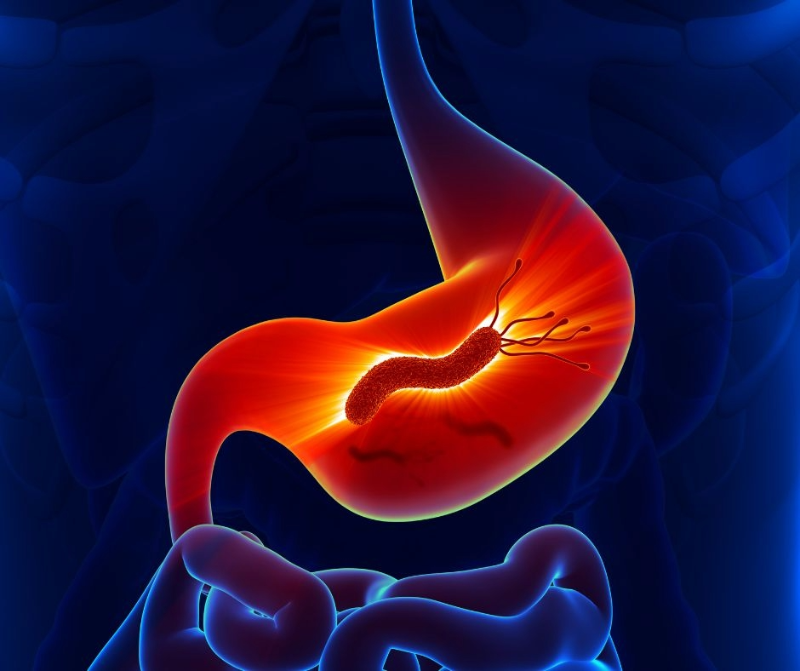
Helicobacter pylori (H. pylori) is a bacterium that infects the lining of the stomach and is the main cause of several stomach problems, including gastritis, peptic and duodenal ulcers, and chronic inflammation. In some cases, this infection can increase the risk of stomach cancer. H. pylori infection is common worldwide, and those affected may experience bothersome symptoms that negatively impact their daily quality of life.
What Causes H. pylori Infection?
The infection is usually transmitted through the mouth, contaminated food, or water. Contributing factors include:
- Consuming unclean food or water.
- Poor personal hygiene or inadequate handwashing.
- Contamination from shared eating utensils.
- Genetic and immune factors that make some individuals more susceptible.
What are Symptoms of H. pylori Infection?
Symptoms vary depending on the severity of the infection and may be early or chronic:
- Bloating and a feeling of fullness shortly after eating.
- Nausea or vomiting.
- Stomach pain or heartburn.
- Loss of appetite or unexplained weight loss.
- Frequent burping and excessive gas.
In severe cases:
- Vomiting blood or blood in the stool.
- Persistent severe stomach pain.
- Symptoms indicating ulcers or stomach cancer.
How is H. pylori Diagnosed?
Several methods are used to diagnose H. pylori infection, including:
- Breath test: Detects the presence of the bacteria in the stomach.
- Stool antigen test: Checks for the bacteria in the stool.
- Endoscopy: Examines the stomach lining and allows for tissue sampling if needed.
- Blood tests: Detect antibodies from past or current infection.
What is theTreatment of H. pylori?
Treatment includes several options to ensure the infection is eliminated and complications are prevented:
Medical Treatment
- Antibiotics: Such as amoxicillin, clarithromycin, or metronidazole.
- Triple therapy: Combines an antibiotic, a proton pump inhibitor, and sometimes an acid-reducing medication.
Natural Remedies and Lifestyle Changes
- Avoid foods that irritate the stomach, such as spicy or fatty foods.
- Eat small, frequent meals.
- Drink stomach-soothing herbs like ginger or chamomile (after consulting a doctor).
- Maintain good personal hygiene and wash hands thoroughly.
How to Prevent H. pylori Infection?
- Drink clean water and cook food thoroughly.
- Maintain personal hygiene and wash hands regularly.
- Avoid sharing eating utensils.
- Consult a doctor if persistent or chronic symptoms appear.
Conclusion
H. pylori is one of the most common gastrointestinal problems and can lead to serious health issues if left untreated. Recognizing early symptoms and following effective diagnostic and treatment methods can help restore stomach health, reduce discomfort, and prevent long-term complications.
If you still need to consult a doctor regarding this condition, you can easily book an appointment through Vezeeta
Related Keywords
Specialized Doctors

Amira Gamea
Consultant in general internal medicine, diabetes and gastroenterology at Police Authority Hospitals

Ahmed El Gammal
Consultant of Internal Medicine and Diabetology

Ayman Mahmoud Moustafa
Senior Consultant of Internal medicine
References
National Institute of Diabetes and Digestive and Kidney Diseases (NIDDK). Symptoms & Causes of Indigestion (Dyspepsia). National Institutes of Health (NIH).
https://www.niddk.nih.gov/health-information/digestive-diseases/indigestion
Mayo Clinic Staff. H. pylori Infection. Mayo Clinic.
https://www.mayoclinic.org/diseases-conditions/h-pylori-infection/symptoms-causes/syc-20356171
Cleveland Clinic. H. pylori Infection (Helicobacter pylori). Cleveland Clinic.
https://my.clevelandclinic.org/health/diseases/21513-h-pylori-infection
National Health Service (NHS), UK. H. pylori Infection.
https://www.nhs.uk/conditions/helicobacter-pylori-h-pylori/
Suerbaum S, Michetti P. Helicobacter pylori Infection. N Engl J Med. 2002;347:1175–1186.
https://doi.org/10.1056/NEJMra020542
Malfertheiner P, Megraud F, O’Morain CA, et al. Management of Helicobacter pylori infection—the Maastricht V/Florence Consensus Report. Gut. 2017;66:6–30.
https://doi.org/10.1136/gutjnl-2016-312288
Specialized Doctors
Amira Gamea
Consultant in general internal medicine, diabetes and gastroenterology at Police Authority Hospitals
Ahmed El Gammal
Consultant of Internal Medicine and Diabetology
Ayman Mahmoud Moustafa
Senior Consultant of Internal medicine