What is the difference between obsessive-compulsive disorder and anxiety disorder?
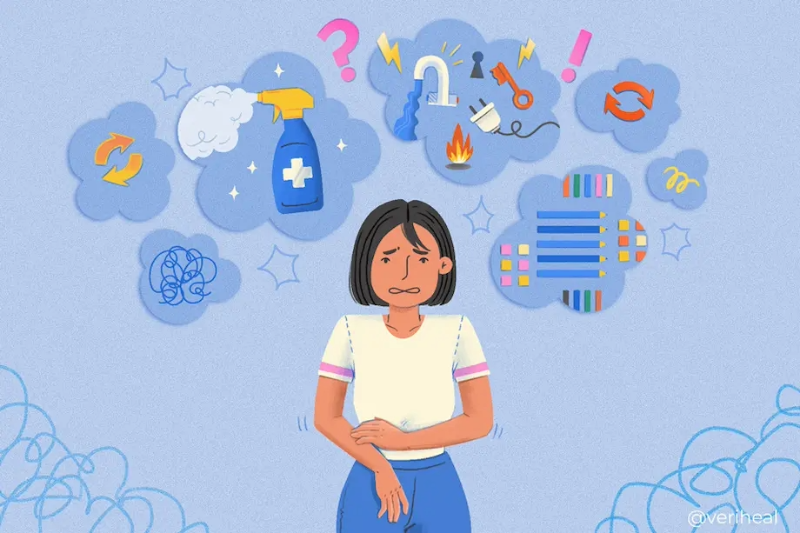
Obsessive-compulsive disorder is a mental phenomenon that intrudes into your life without invitation, like an unwelcome guest. It is an overpowering force that infiltrates the depths of your mind and compels you to perform repetitive, abnormal actions until you feel temporary relief.
People with OCD may suffer from intrusive thoughts related to cleanliness, numbers, or order, and find themselves trapped in an endless cycle of thoughts, doubts, and constant checking. Anxiety and fear gradually creep into their lives, affecting their social relationships and daily performance—but can OCD be treated?!
What is obsessive-compulsive disorder?
Obsessive-compulsive disorder (OCD) is a long-term mental disorder in which a person experiences uncontrollable recurring thoughts (obsessions), engages in repetitive behaviors (compulsions), or both.
People with OCD experience symptoms that can take up a lot of time and cause significant problems or interfere with daily life. They may be aware that their actions are irrational, yet cannot control them, as they temporarily reduce anxiety.
OCD is more common in women than men, typically begins in adolescence or young adulthood, and is usually chronic, lasting throughout life.
What are the most common types of OCD?
There are several types of OCD, including:
- Contamination OCD: excessive cleaning or handwashing
- Checking OCD: repeatedly verifying things like doors or appliances
- Number-related OCD: counting or repeating actions based on numbers
- Ordering OCD: arranging things in a strict, specific way
- Intrusive thought OCD: unwanted violent, sexual, or disturbing thoughts
- Hoarding OCD: difficulty discarding useless items
What are the symptoms of OCD?
Symptoms mainly include obsessions and compulsions that interfere with daily activities. They may come and go or worsen over time.
Obsessive symptoms (thoughts):
- Fear of contamination or germs
- Avoiding handshakes
- Fear of harming self or others
- Unwanted mental images or thoughts
- Excessive concern with right/wrong
- Need for reassurance, order, or accuracy
- Recurrent disturbing fantasies
- Hair pulling (trichotillomania-related behavior)
Compulsive symptoms (behaviors):
- Repeated cleaning or washing
- Excessive ordering or arranging
- Hoarding unnecessary items
- Checking locks, doors, or appliances repeatedly
- Counting or repeating actions
- Avoiding touching objects like door handles
- Reassurance-seeking to ensure no harm was done
What causes OCD?
- Genetics: family history increases risk
- Brain chemistry changes: differences in brain regions linked to other neurological disorders
- Environmental factors: trauma or neglect
- PANDAS: possible link in some children with streptococcal infections
- Other mental disorders: such as anxiety, depression, or addiction
Difference between OCD and anxiety
General anxiety disorder focuses on real-life concerns like finances or health, while OCD involves intrusive, irrational thoughts accompanied by repetitive compulsive behaviors used to relieve distress—something not typical in anxiety disorders.
Complications of OCD
- Skin problems from excessive washing
- Severe depression
- Relationship difficulties
- Work impairment
- Suicidal thoughts
- Substance abuse
- Eating disorders
- Poor quality of life
How to get rid of OCD?
Treatment helps control symptoms and may include medication and psychotherapy. Common medications include fluoxetine, fluvoxamine, paroxetine, clomipramine, and sertraline.
Non-medication treatment
- Cognitive Behavioral Therapy (CBT)
- Exposure and Response Prevention (ERP)
- Mindfulness and relaxation techniques
Living with OCD
Managing OCD requires lifestyle changes such as following treatment plans, reducing stress, maintaining healthy habits, joining support groups, and practicing relaxation techniques.
In conclusion, OCD is a challenging condition, but hope remains—proper treatment and coping strategies can significantly improve quality of life.
If you still need to consult a doctor regarding this condition, you can easily book an appointment through Vezeeta
Related Keywords





References
American Psychiatric Association (APA). (2013). Diagnostic and Statistical Manual of Mental Disorders (DSM-5), 5th Edition. Washington, DC: APA.
Mayo Clinic. (2024). Obsessive-Compulsive Disorder (OCD). Retrieved from https://www.mayoclinic.org/
National Institute of Mental Health (NIMH). (2023). Obsessive-Compulsive Disorder. Retrieved from https://www.nimh.nih.gov/
Cleveland Clinic. (2024). Obsessive-Compulsive Disorder Overview. Retrieved from https://my.clevelandclinic.org/
Psychology Today. (2023). Understanding OCD. Retrieved from https://www.psychologytoday.com/